

When conflicts arise in our personal relationships, it's easy to get caught up in our own emotions and react impulsively. However, this can often escalate the situation, leading to hurt feelings, damaged trust, and even the breakdown of a relationship. One key strategy that can help mitigate these effects is active listening – the art of fully concentrating on what your partner or counterpart is saying, without interrupting or mentally preparing a response.
In this article, we'll explore the importance of active listening in conflict de-escalation and provide practical prompts to help you improve your communication skills. By incorporating these techniques into your interactions, you can create a more constructive dialogue and work towards resolving conflicts in a healthier way.
1. What is Active Listening?
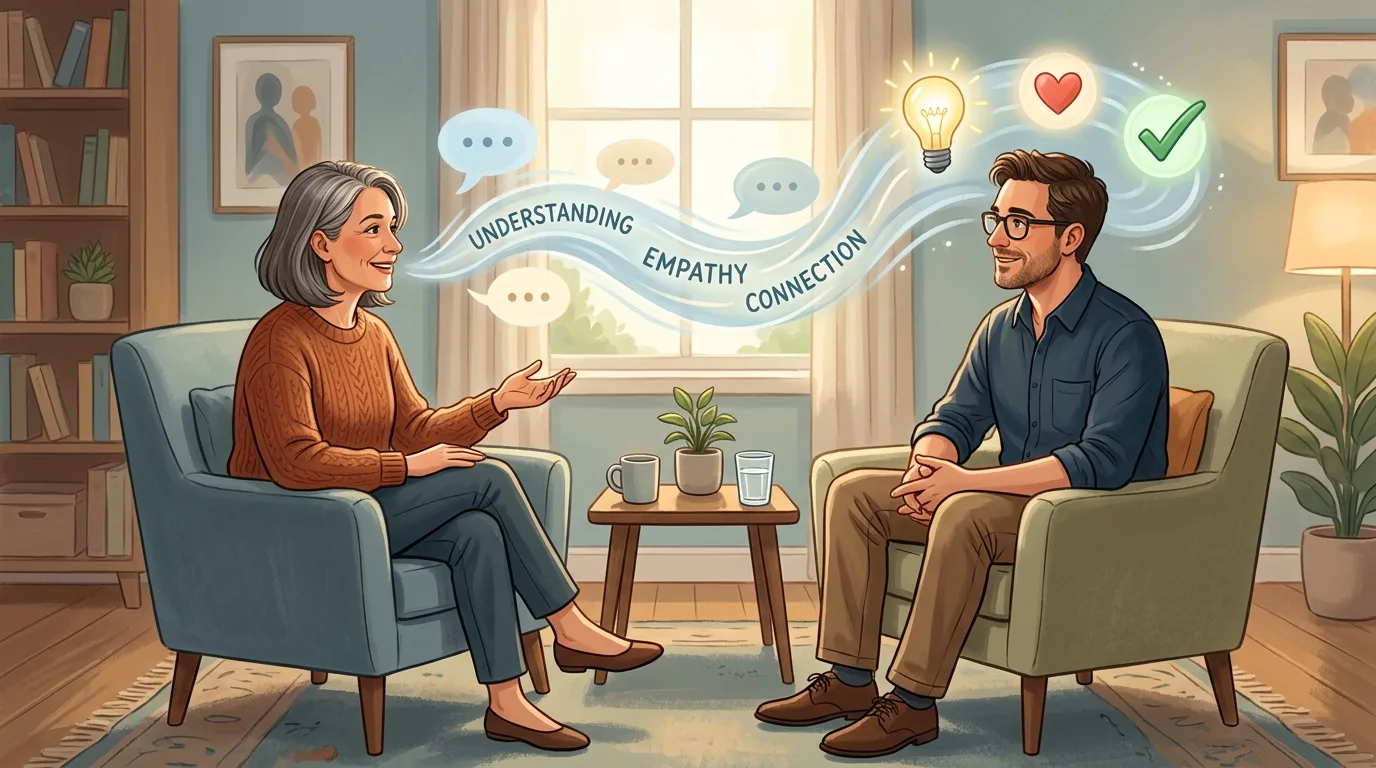
Active listening involves fully engaging with what someone else is saying, without mentally preparing a response or interrupting them. This doesn't mean that you're necessarily agreeing with their perspective; rather, it's about giving the speaker your undivided attention and focusing on understanding their point of view.
Some key characteristics of active listening include:
Maintaining Eye Contact: This involves looking at the speaker directly, without staring intensely or aggressively. It helps to show that you're engaged and interested in what they have to say.
Avoiding Distractions: This means putting away your phone, turning off the TV, and avoiding conversations with others while listening to someone else. You should be fully present and focused on the speaker.
Paraphrasing: This involves repeating back what you've understood from the speaker's words, in your own words. It helps to ensure that you understand their perspective accurately and avoids miscommunication.
Asking Open-Ended Questions: These are questions that encourage further discussion and can't be answered with a simple "yes" or "no." They help to delve deeper into the speaker's thoughts and feelings.
2. The Benefits of Active Listening
When we practice active listening, several benefits can arise:
Conflict De-escalation: By fully concentrating on your partner's perspective, you're less likely to misinterpret or react impulsively to what they're saying.
Improved Communication: Active listening encourages a more collaborative and respectful dialogue, where both parties feel heard and understood.
Increased Empathy: As you focus on understanding your partner's point of view, you may find yourself developing greater empathy for their experiences and emotions.
3. Common Challenges in Conflict
When conflicts arise, it's common to encounter certain challenges that can make active listening more difficult. Some of these include:
Defensiveness: Feeling attacked or criticized can lead us to become defensive, making it harder to listen actively.
Emotional Reactivity: Strong emotions like anger, fear, or hurt can hijack our ability to engage in constructive communication.
Misinterpretation: We may mishear or misinterpret what the other person is saying, leading to further escalation.
To overcome these challenges, try using some of the following active listening prompts:
Active Listening Prompts for Conflict De-escalation
1. "I'd like you to tell me more about why this issue is so important to you."
2. "Can you help me understand what's driving your perspective on this?"
3. "What do you think I could do differently to better understand your point of view?"
4. "How does this conflict affect our relationship, and what can we do to repair it?"
4. Practicing Active Listening in Conflict
To put active listening into practice during a conflict, try the following steps:
1. Take a Deep Breath: Before responding, take a moment to calm down and collect your thoughts. This helps to prevent impulsive reactions and allows you to respond more thoughtfully.
2. Paraphrase What's Been Said: Repeat back what you've understood from your partner's perspective, ensuring that you're on the same page. 3. Ask Open-Ended Questions: Encourage further discussion by asking questions that can't be answered with a simple "yes" or "no."
4. Avoid Giving Advice: Instead of offering solutions, focus on listening and understanding your partner's needs.

5. Case Study: Using Active Listening in Conflict
Let's consider an example where two partners are having a disagreement about household chores. The partner who feels overwhelmed by the workload might say:
"I feel like I'm shouldering all the responsibility for cleaning and cooking, and it's really unfair."
In response, the other partner could use active listening by saying:
"Can you tell me more about what you mean by 'unfair'? What do you think would make things more balanced?"
This encourages further discussion and helps to clarify the issue at hand.
6. Putting It into Practice
Active listening is a skill that takes practice to develop, but it can be incredibly beneficial in conflict resolution. By focusing on understanding your partner's perspective, you can create a more constructive dialogue and work towards resolving conflicts in a healthier way.
Remember, active listening isn't about agreeing with the other person or trying to "win" an argument. It's about genuinely engaging with their thoughts and feelings, and working together to find a solution that works for both of you.
Conclusion
Active listening is a powerful tool for conflict resolution, but it requires effort and practice to develop. By understanding its benefits, overcoming common challenges, and putting it into practice, you can create more constructive dialogues and work towards resolving conflicts in a healthier way. Remember, active listening is not just about communication – it's about connection, empathy, and understanding.
Additional Tips
Practice active listening in everyday conversations to build your skills.
Be patient and give the speaker your undivided attention.
Use non-verbal cues like nodding and making eye contact to show engagement.
Avoid interrupting or dismissing the other person's perspective.
Focus on understanding, rather than trying to "win" an argument.
By following these tips and practicing active listening in conflict resolution, you can create more constructive dialogues and work towards resolving conflicts in a healthier way.
This Article was made with AI assistance and human editing.