

As one of the most biologically diverse ecosystems on the planet, the Great Barrier Reef is a scuba diver's paradise. Stretching over 2,300 kilometers off the coast of Queensland, Australia, this natural wonder is home to an incredible array of marine life, including over 1,500 species of fish, 600 types of coral, and many other creatures. But with its crystal-clear waters and vibrant coral formations come the challenges of navigating this vast underwater world safely. In this beginner's guide, we'll take you through everything you need to know to plan and execute a safe and enjoyable scuba diving experience in the Great Barrier Reef.
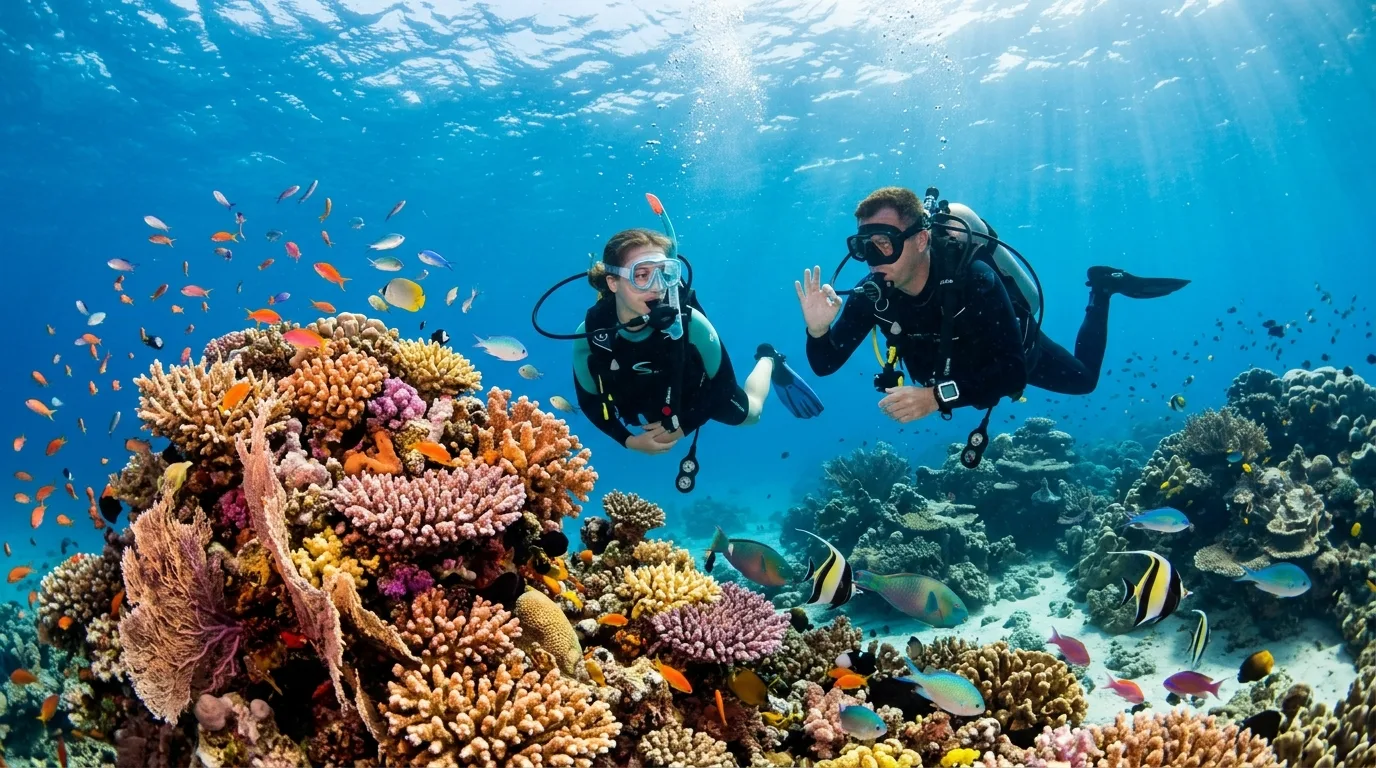
Safety Considerations for Scuba Diving in Great Barrier Reef
Before we dive into the fun stuff, it's essential to discuss the safety considerations that are crucial for any scuba diver. The Great Barrier Reef is generally considered a beginner-friendly destination, but as with any water activity, there are risks involved. To minimize these risks and ensure a safe experience, follow these guidelines:
Check your health: Scuba diving can be physically demanding, so it's essential to check your overall health before booking a dive. Consult your doctor if you have any pre-existing medical conditions or concerns. This is crucial because scuba diving can exacerbate underlying health issues, such as high blood pressure or heart problems.
Choose a reputable operator: Look for operators that are certified by organizations such as PADI (Professional Association of Diving Instructors) or NAUI (National Association of Underwater Instructors). These certifications ensure that the operator has met industry standards and will provide a safe experience. When choosing an operator, consider factors like their reputation, safety record, and equipment quality.
Dive with a buddy: Always dive with a partner, so you can monitor each other's air supply and stay together in case of an emergency. This is essential because scuba diving can be physically demanding, and having a buddy can help prevent accidents and ensure timely assistance if needed.
Follow local guidelines and regulations: Familiarize yourself with local rules and regulations regarding diving, including any specific restrictions or requirements for certain areas of the reef. These regulations are in place to protect both you and the marine environment.
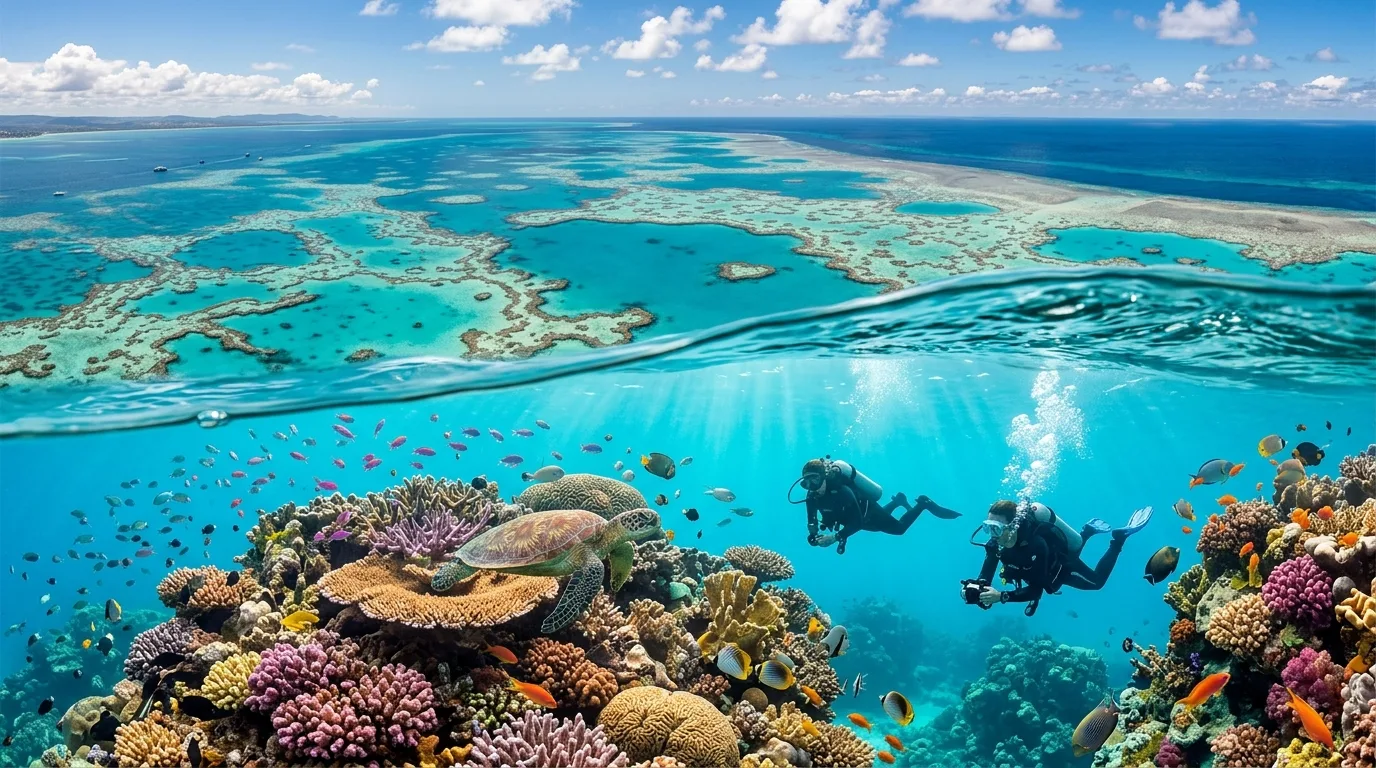
Getting Started with Beginner Scuba Diving
Now that we've covered the safety considerations, let's talk about how to get started with beginner scuba diving in the Great Barrier Reef. Here are some steps to follow:
1. Enroll in a course: Take a beginner scuba diving certification course, such as PADI Open Water Diver or NAUI Scuba Certification. These courses will teach you the fundamentals of scuba diving and prepare you for your first dive. A typical course covers topics like equipment usage, safety procedures, and basic diving techniques.
2. Choose the right equipment: Make sure you have the correct equipment for your dive, including a mask, snorkel, fins, wetsuit, and scuba gear. Renting equipment is often an option, especially if you're just starting out. When selecting equipment, consider factors like comfort, durability, and maintenance requirements.
3. Plan your dives: Research the best diving spots in the Great Barrier Reef and plan your dives accordingly. Consider factors such as water conditions, currents, and marine life. This will help you make the most of your dive experience and ensure a safe return to the surface.
4. Stay within your limits: Don't push yourself too hard – stay within your depth limit (typically 18-20 meters) and avoid overexerting yourself. Scuba diving can be physically demanding, so it's essential to pace yourself and take regular breaks.
Understanding Scuba Diving Techniques
As a beginner scuba diver, it's essential to understand the basics of scuba diving techniques. Here are some key concepts to grasp:
Breathing: Learn how to breathe properly while scuba diving, including how to equalize your ears and sinuses. This involves understanding the importance of breathing control, mask clearing, and regulator usage.
Buoyancy control: Mastering buoyancy control is crucial for safe diving. This involves learning how to adjust your weight and body position to maintain a stable depth and prevent unnecessary ascents or descents.
Navigation: Familiarize yourself with navigation techniques, including using compasses, maps, and natural references like sun direction.
Practical Tips for Scuba Diving
Here are some practical tips to help you get started:
Use proper equipment fitting: Ensure your mask, snorkel, and regulator fit comfortably to prevent leaks and discomfort during the dive.
Practice breathing exercises: Regularly practice breathing exercises on land or in shallow water to improve your lung capacity and relaxation techniques.
Maintain a safe distance from marine life: Respect the marine environment by maintaining a safe distance from creatures like sharks, rays, and sea turtles.
Final Tips for Beginner Scuba Divers
Here are some final tips to keep in mind:
Practice makes perfect: Don't be discouraged if you make mistakes – practice regularly and you'll improve your skills in no time. The more you dive, the more confident you'll become.
Stay curious: Continuously learn and expand your knowledge of scuba diving techniques, safety considerations, and marine life. This will help you stay safe and enjoy the experience even more.
Final Considerations
Before embarking on your scuba diving adventure in the Great Barrier Reef, consider the following:
Respect local regulations: Familiarize yourself with local laws and regulations regarding scuba diving.
Be aware of weather conditions: Always check the weather forecast before heading out to ensure safe diving conditions.
Stay informed about marine life: Learn about potential hazards like sea snakes, jellyfish, or strong currents.
By following these guidelines and tips, you'll be well-prepared for a safe and enjoyable scuba diving experience in the Great Barrier Reef. Happy diving.
This Article was made with AI assistance and human editing.