

As an investor in rental properties, understanding the financial performance of potential investments is crucial for making informed decisions. One key metric that can help you evaluate property deals effectively is the capitalization rate, commonly referred to as the cap rate. In this article, we'll delve into what a cap rate is, how it's calculated, and provide practical tips on how to use it to assess rental property profitability.
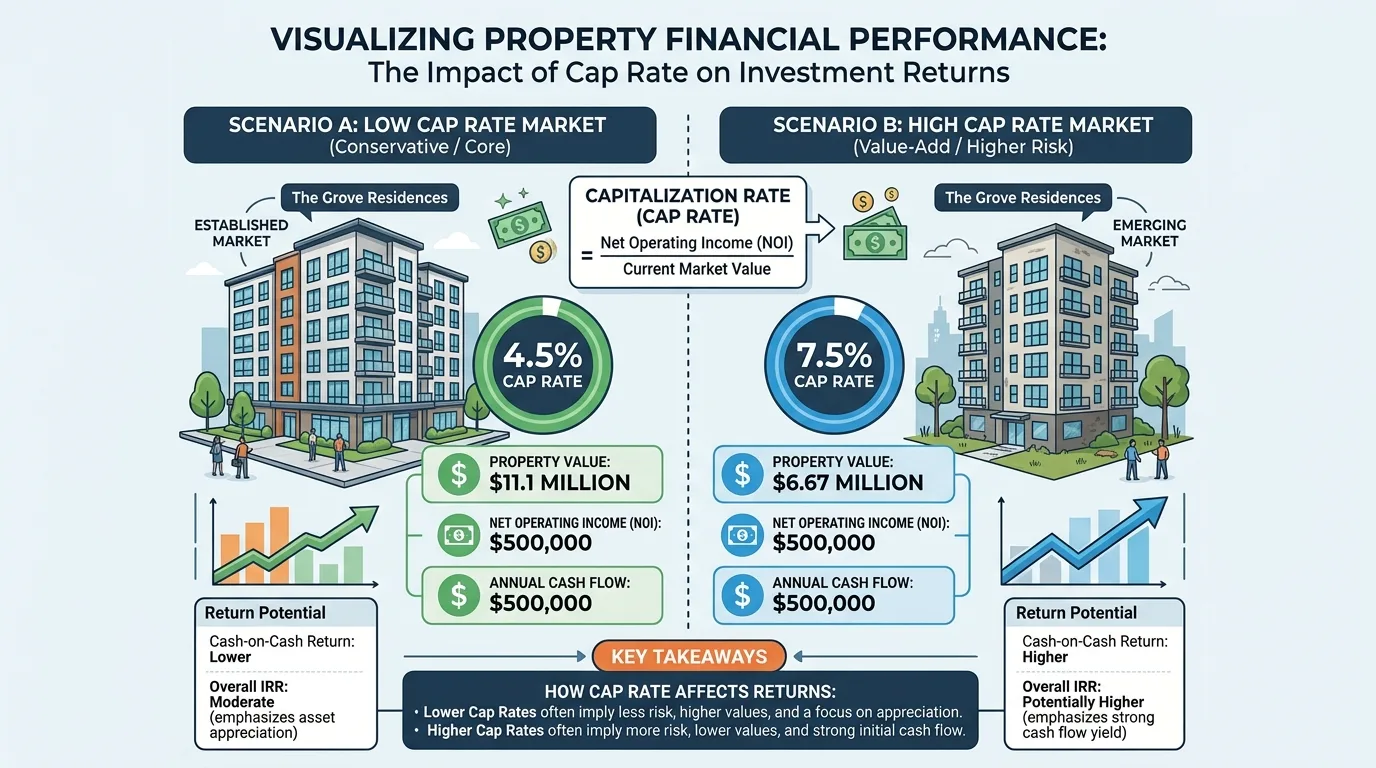
What is a Cap Rate?
The cap rate is a financial metric that represents the return on investment (ROI) for a rental property. It's expressed as a percentage and is calculated by dividing the net operating income (NOI) of the property by its current market value or purchase price. The cap rate gives you an idea of the potential annual returns on your investment, considering factors such as expenses, taxes, and other financial obligations.
To put it simply, the cap rate is a measure of how much cash flow a property generates relative to its value. For example, if you invest $100,000 in a rental property with a cap rate of 10%, you can expect to earn $10,000 per year in net operating income.
Calculating Profitability with Cap Rates
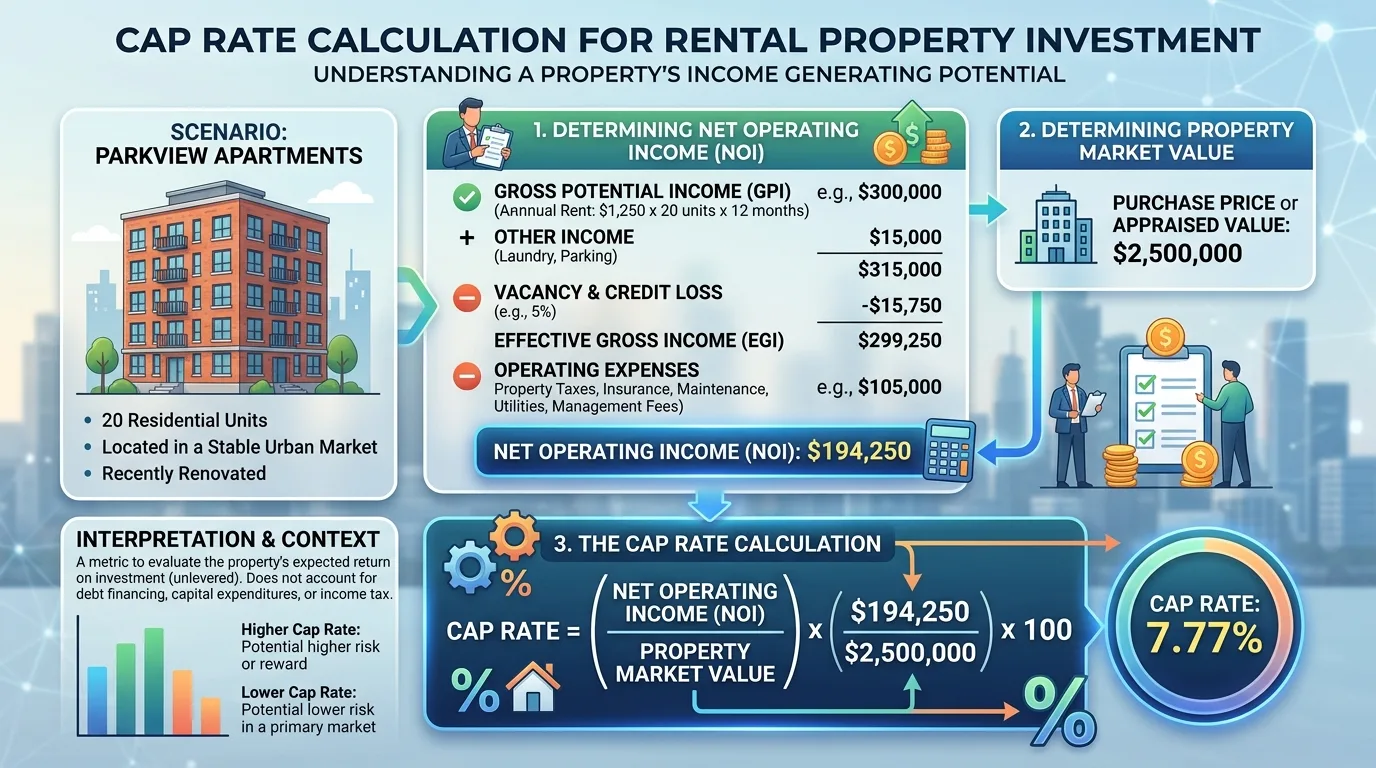
To calculate the cap rate, follow these steps:
• Determine the Net Operating Income (NOI): This is the income generated by the property after subtracting all expenses related to its operation. These expenses may include mortgage payments, property taxes, insurance, maintenance costs, and management fees.
• Divide the NOI by the Current Market Value or Purchase Price: The cap rate is calculated by dividing the net operating income by the current market value or purchase price of the property. This will give you a percentage that represents the potential return on investment.
For example, let's say a rental property generates $100,000 in gross income and has annual expenses totaling $20,000. After accounting for taxes and other financial obligations, the net operating income is $80,000. If the property's current market value is $500,000, the cap rate would be:
Cap Rate = NOI / Market Value = $80,000 / $500,000 = 16%
This means that for every dollar invested in this property, you can expect to earn 16 cents in annual returns.
Understanding Cap Rates: Key Features and Benefits
Here are some essential aspects of cap rates to keep in mind:
• Risk Factor: A higher cap rate typically indicates a greater risk level, as the potential returns may be more unpredictable. This is because properties with high cap rates often have higher vacancy rates, lower occupancy levels, or other factors that can impact cash flow.
• Growth Potential: Properties with lower cap rates might have better growth prospects, as they often offer higher potential for appreciation and increased rental income. This is because these properties may be more stable and less likely to experience significant changes in market conditions.
• Market Conditions: Cap rates can fluctuate based on market conditions, such as interest rates, economic trends, and supply-and-demand balances.
Using Cap Rates to Evaluate Property Deals
When evaluating property deals, consider the following factors:
• Comparable Properties: Research similar properties in the area to determine their average cap rates. This will give you a benchmark for comparing potential investments.
• Property Type: Different property types (e.g., apartments, single-family homes) may have varying cap rates due to unique characteristics and market conditions.
• Location: Areas with high demand and limited supply often command higher cap rates.
Case Study: Comparing Cap Rates
Suppose you're considering two rental properties in the same area:
Property A: + Gross income: $120,000 + Expenses: $30,000 + Market value: $600,000 + Cap rate: 18%
Property B: + Gross income: $100,000 + Expenses: $20,000 + Market value: $450,000 + Cap rate: 21%
Although Property A has a higher cap rate, it also has higher expenses and a lower market value. In contrast, Property B offers a more attractive cap rate due to its lower expenses and competitive market value.
Additional Tips for Evaluating Rental Properties
To ensure accurate cap rate calculations and informed decision-making:
• Verify Income: Always verify the property's income statements to account for any discrepancies or hidden costs.
• Assess Expenses: Carefully review property-related expenses, including taxes, insurance, maintenance, and management fees.
• Consider Local Market Trends: Stay up-to-date on local market trends, such as changes in interest rates, economic conditions, and supply-and-demand balances.
Conclusion
Understanding cap rates is a vital skill for investors in rental properties. By grasping the concept of cap rates and applying it to your investment decisions, you'll be better equipped to evaluate property deals effectively and maximize potential returns. Remember that each property has unique characteristics, and market conditions can significantly impact cash flow. By considering these factors and using the cap rate as a tool for evaluation, you can make more informed investment decisions.
In conclusion, the cap rate is a powerful metric for evaluating rental properties and determining their potential return on investment. By understanding how to calculate and interpret the cap rate, investors can make more informed decisions about which properties to purchase or lease. Whether you're a seasoned investor or just starting out, this guide provides a comprehensive overview of the cap rate and its role in real estate investing.
This Article was made with AI assistance and human editing.