

As we age, our bodies undergo various changes that can increase our risk for chronic diseases, including diabetes. This metabolic disorder affects millions worldwide, causing damage to organs and tissues if left undetected or unmanaged. Fortunately, early detection is key to preventing or managing diabetes through lifestyle modifications and medication. One crucial step in identifying individuals at risk is through annual bloodwork checks.
In this article, we will explore the importance of regular blood tests for detecting diabetes, what these tests entail, how often they should be conducted, and the benefits of early detection. By understanding the significance of annual bloodwork checks, you can take proactive steps to reduce your risk of developing this condition.

What Are Annual Bloodwork Checks?
Annual bloodwork checks are a series of laboratory tests used to evaluate an individual's health and detect potential issues before they become severe. These tests typically include a comprehensive metabolic panel (CMP), which measures various components in the blood, such as:
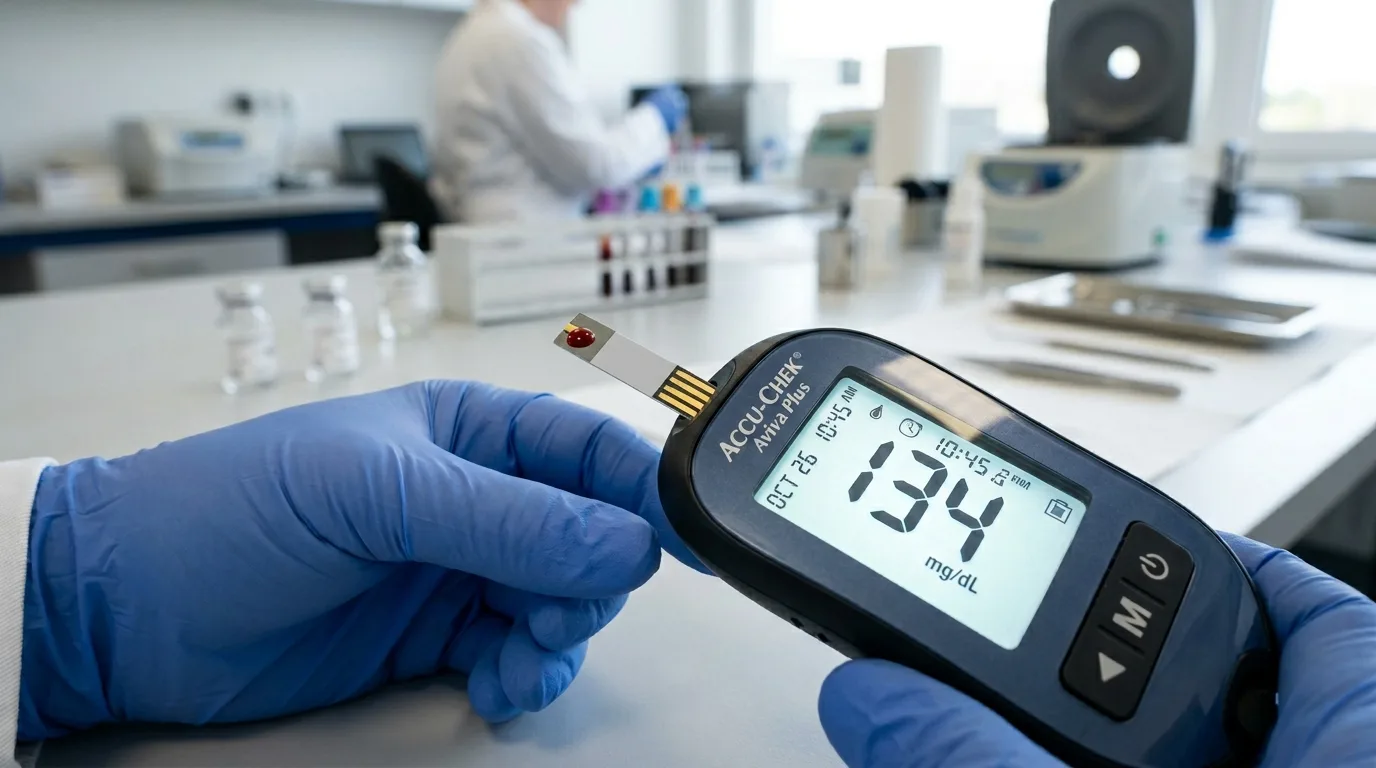
• Glucose levels: This test measures the amount of glucose present in the blood, providing insight into insulin function and carbohydrate metabolism. Glucose is a type of sugar that serves as energy for the body's cells. When we eat, our digestive system breaks down carbohydrates into glucose, which is then absorbed into the bloodstream. The glucose level test helps healthcare providers assess how well an individual's body regulates glucose levels.
• Kidney function: The CMP assesses kidney health by measuring waste products, such as creatinine, that are typically filtered out by the kidneys. Kidneys play a vital role in removing waste and excess fluids from the blood. When kidney function is impaired, waste products can build up in the bloodstream, leading to complications.
• Liver function: Liver enzymes, such as alanine aminotransferase (ALT) and aspartate aminotransferase (AST), indicate liver damage or disease. The liver performs many critical functions, including detoxification, protein synthesis, and production of bile. When liver function is compromised, it can lead to a range of health issues.
• Electrolyte balance: This test measures the levels of essential minerals like sodium, potassium, and chloride, which help regulate various bodily functions. Electrolytes play a crucial role in maintaining proper fluid balance, nerve function, and muscle contraction.
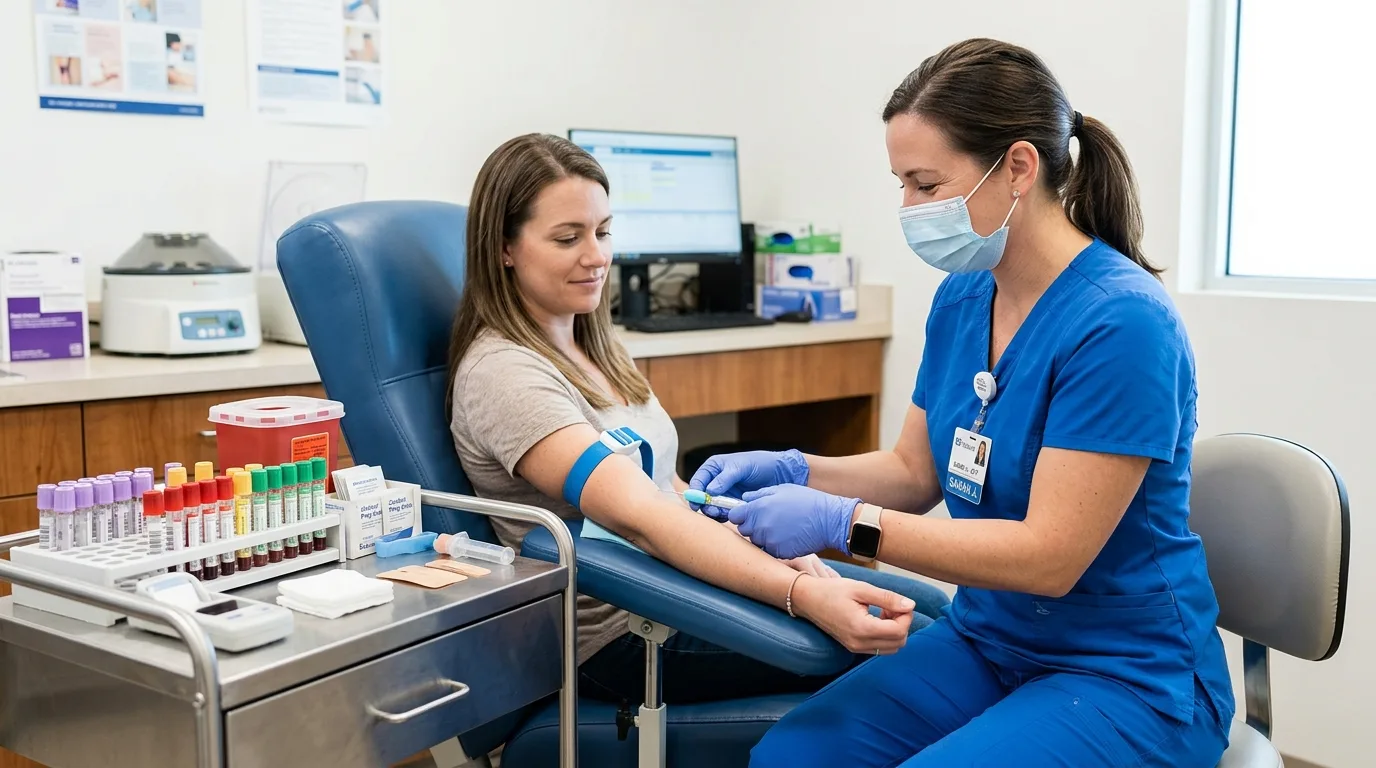
During an annual bloodwork check, your healthcare provider will draw a sample of blood from a vein in your arm using a sterile needle. The collected sample is then sent to a laboratory for analysis. It's essential to note that these tests are typically performed on a fasting state, meaning you should avoid eating or drinking anything except water for at least 8-12 hours before the test.
Understanding the Fasting Requirement
When you fast for bloodwork, your body is in a more accurate representation of its baseline metabolic state. By avoiding food and drink, your glucose levels will be lower, making it easier to detect any underlying issues related to insulin function or carbohydrate metabolism.
Additionally, fasting allows healthcare providers to assess kidney function without the influence of food. When you eat, your kidneys work harder to filter waste products from the blood. Fasting helps healthcare providers understand how well your kidneys can remove waste even when they're not working as hard.
Benefits and Importance of Early Detection
Regular blood tests can help identify individuals at risk for developing diabetes long before symptoms appear. Some benefits of early detection include:
• Reduced risk of complications: By detecting high blood sugar levels early, you can take steps to prevent or delay the onset of complications such as heart disease, kidney damage, and nerve damage.
• Improved treatment outcomes: Early intervention with lifestyle modifications and medication can significantly improve treatment outcomes and reduce the need for costly medical interventions.
• Enhanced quality of life: Managing diabetes through regular monitoring and treatment can help you maintain a healthy weight, energy levels, and overall well-being.
Why Early Detection Matters
Early detection is critical in preventing or managing diabetes because it allows healthcare providers to intervene before damage occurs. By identifying individuals at risk, healthcare providers can work with them to develop personalized plans for lifestyle modifications and medication.
In addition to reducing the risk of complications, early detection also helps improve treatment outcomes. When diabetes is detected early, healthcare providers can adjust treatment plans as needed, reducing the likelihood of adverse effects or interactions between medications.
How Often Should I Get a Blood Test to Check for Diabetes?
The American Diabetes Association recommends that adults aged 45 and older should undergo annual bloodwork checks. However, if you have a family history of diabetes or are overweight, your healthcare provider may recommend more frequent testing. It's essential to discuss your individual risk factors with your healthcare provider to determine the best schedule for your needs.
What to Expect During an Annual Bloodwork Check
When you arrive for your annual bloodwork check, you can expect a brief interview with your healthcare provider to discuss any changes in your health or medical history. The provider will also review your fasting requirements and ensure that you understand what to do before the test.
The actual blood draw is typically quick and painless, taking only a few minutes to complete. Afterward, the sample is sent to a laboratory for analysis, where it's processed using specialized equipment to determine various components of your metabolic panel.
Interpreting Your Results
Your healthcare provider will review your test results with you, explaining any abnormalities or concerns they may have. If your results indicate that you're at risk for diabetes, the provider will discuss potential next steps, such as lifestyle modifications or medication.
In some cases, further testing may be necessary to confirm a diagnosis of diabetes or to rule out other conditions. Your healthcare provider will work with you to develop a personalized plan to manage your health and reduce the risk of complications.
By understanding the importance of annual bloodwork checks and what to expect during the process, you can take proactive steps to protect your health and reduce the risk of developing diabetes.
This Article was made with AI assistance and human editing.