

Lean Startup Validation Techniques: Testing Ideas on a Shoestring
Eric Ries' lean startup movement has revolutionized the way entrepreneurs approach business idea validation. By emphasizing experimentation and customer feedback over traditional market research, lean startups have proven that it's possible to test ideas cheaply and effectively. In this article, we'll delve into the world of lean startup validation techniques, exploring the methods used by successful entrepreneurs to avoid common startup mistakes.

What are Lean Startup Validation Techniques?
Lean startup validation techniques involve testing a business idea with minimal resources and risk. By focusing on experimentation and customer feedback, startups can validate their assumptions without breaking the bank or investing too much time. This approach differs from traditional market research methods, which often rely on surveys, focus groups, and other expensive techniques.
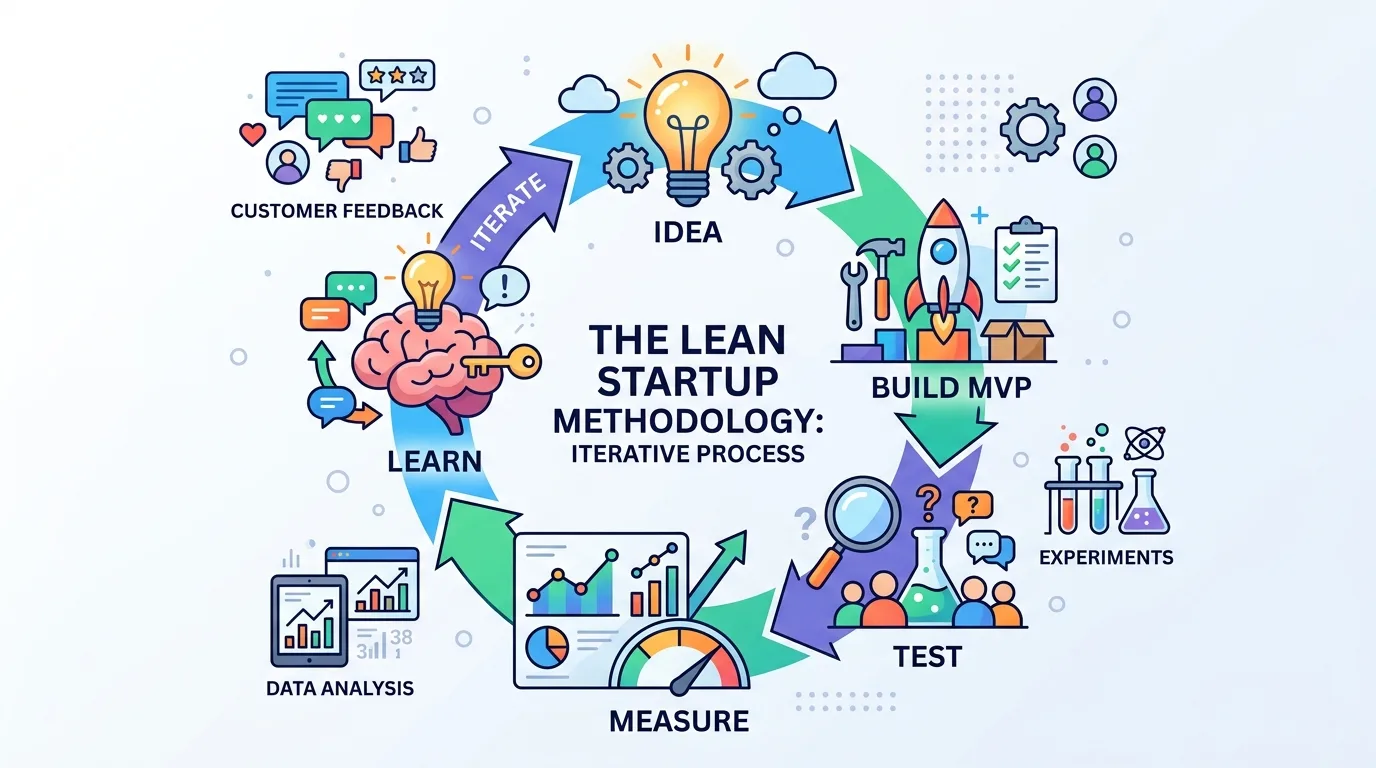
At its core, lean startup validation is about iterating quickly and efficiently to test a business idea's viability. By embracing uncertainty and experimentation, entrepreneurs can avoid common pitfalls like over-investing in a product that may not resonate with customers.
How Can I Test My Idea Cheaply?
Testing an idea cheaply requires creativity and resourcefulness. Here are some lean startup validation techniques you can use to test your business idea on a shoestring:
Customer Interviews: Conduct one-on-one interviews with potential customers to gather feedback on your product or service. It's essential to ask open-ended questions that encourage customers to share their thoughts and opinions. For example, "Can you tell me more about what inspired you to use our product?" or "What do you think is the most significant challenge we're facing in terms of customer adoption?"
Surveys: Use online surveys to collect data from a large sample size without breaking the bank. Keep your survey questions concise and focused on specific aspects of your business idea. For instance, "How likely are you to recommend our product to friends or family?" or "What features would make our service more appealing to you?"
Prototyping: Build a minimum viable product (MVP) to test with a small group of customers before investing in full-scale production. This approach allows you to validate the core idea and identify potential areas for improvement. When creating an MVP, prioritize the essential features that will deliver the most value to your customers.
Split Testing: Divide a group of customers into two or more segments and test different versions of your product or service. This technique helps you understand which version resonates better with your target audience. For example, you might test two different website layouts to see which one leads to higher conversion rates.
The Importance of Customer Feedback
Customer feedback is the lifeblood of lean startup validation. By gathering insights from potential customers, entrepreneurs can refine their business idea and create a product that meets market demand. Here are some benefits of incorporating customer feedback into your lean startup validation process:
Reduced Risk: Testing with real customers reduces the risk of launching a product that no one wants. When you validate your assumptions through experimentation, you're less likely to invest in a product that will ultimately fail.
Improved Product-Market Fit: Customer feedback helps you refine your product or service to meet market needs. By iterating based on customer input, you can ensure that your solution addresses the pain points and desires of your target audience.
Increased Efficiency: By testing with small groups, you can iterate and improve quickly without wasting resources. Lean startup validation encourages a culture of continuous learning and improvement.
Example: Airbnb's Early Days
Airbnb is often cited as a prime example of lean startup validation in action. When founder Brian Chesky first launched the platform, he didn't have much to show for it – just a simple website with a few listings. But by focusing on customer feedback and iterating quickly, Chesky was able to validate his business idea and build a massive user base.
Testing Hypotheses with Lean Startup Validation
Lean startup validation involves testing hypotheses about your business idea using empirical evidence. Here are some key features of this approach:
Formulate Hypotheses: Clearly define the assumptions you want to test. Ask yourself questions like "Will our product solve a significant problem for customers?" or "Will our service meet the needs of a specific market segment?"
Design Experiments: Create experiments that will provide data on your hypotheses. This might involve designing surveys, conducting customer interviews, or building MVPs.
Test and Refine: Test your hypotheses with real customers and refine your product or service accordingly. Be prepared to pivot based on the insights you gather from experimentation.
Common Mistakes to Avoid
While lean startup validation offers many benefits, there are some common mistakes entrepreneurs should avoid:
Over-Optimizing: Don't get too caught up in refining your business idea – sometimes, you need to take a leap of faith. Over-investing time and resources in a product that may not resonate with customers can lead to costly mistakes.
Ignoring Customer Feedback: Remember that customer feedback is the lifeblood of lean startup validation. Don't ignore it! By prioritizing customer input, you'll be better equipped to create products that meet market demand.
Conclusion
Lean startup validation techniques offer entrepreneurs a practical way to test their business ideas without breaking the bank or investing too much time. By embracing experimentation and continuous learning, startups can minimize risk and maximize efficiency. As you embark on your lean startup journey, remember to stay focused on customer feedback and be willing to pivot when necessary.
To achieve success in the world of lean startup validation, it's essential to:
Prioritize customer feedback and iterate based on insights
Experiment with MVPs and split testing to validate hypotheses
Stay flexible and prepared to pivot when necessary
Continuously learn and improve through experimentation
By following these guidelines, you'll be well-equipped to navigate the world of lean startup validation and unlock the secrets to successful product development.
This Article was made with AI assistance and human editing.


