

As a parent or educator, helping your child master reading skills is one of the most rewarding experiences. In the first grade, students typically begin to develop phonemic awareness and learn to sound out words. However, this process can be challenging without the right support. Phonics apps have become increasingly popular as a supplementary tool for teaching reading, but with so many options available, it's easy to get overwhelmed.
In this article, we'll explore the best phonics apps for 1st grade reading and provide you with practical guidance on how to choose an effective app for your child. We'll discuss the key features of top-rated phonics apps, including their benefits, drawbacks, and user reviews. By the end of this guide, you'll be well-equipped to select a phonics app that meets your child's unique needs.
What are Phonics Apps?
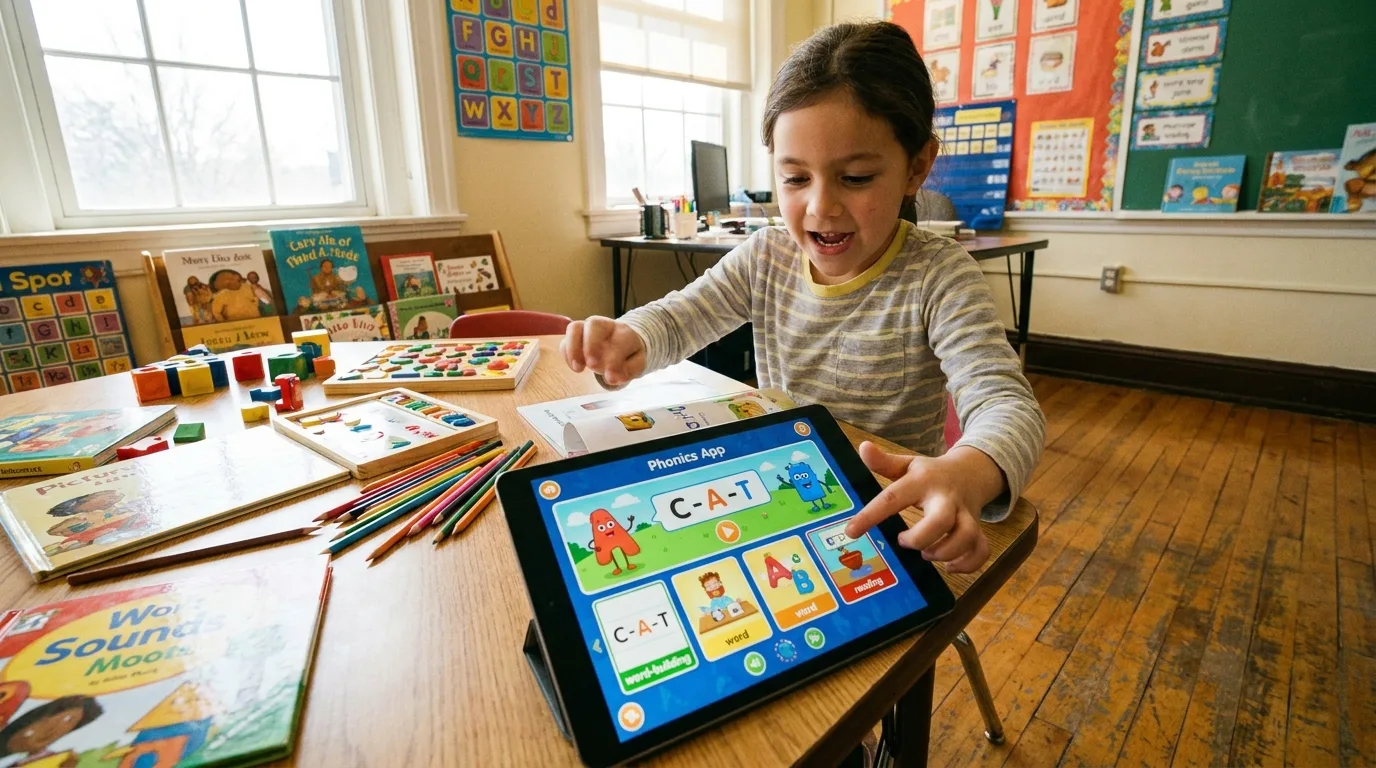
Phonics apps are digital tools designed to teach children reading skills through interactive games, activities, and exercises. These apps typically focus on phonemic awareness, decoding, fluency, vocabulary building, and comprehension. Some popular features of phonics apps include:
Interactive games that make learning fun: Many phonics apps use engaging games and animations to captivate young learners' attention. For example, an app might have a game where children match letters to sounds or build words by dragging and dropping letter tiles.
Customizable lessons tailored to your child's level: Phonics apps often offer adjustable difficulty levels or customizable lessons, allowing parents to tailor the learning experience to their child's needs. This feature is especially useful for children who are struggling with a particular concept or need extra practice.
Progress tracking and reporting for parents and educators: These features enable parents to monitor their child's progress and receive regular updates on their reading development. Some apps might provide detailed reports on areas where the child excels or struggles, while others might offer more general feedback.
Access to a library of e-books and reading materials: Many phonics apps offer access to a vast library of e-books, audiobooks, and educational content, making it easy to supplement traditional teaching methods.
Choosing the Right Phonics App
With so many phonics apps available, it can be daunting to choose the best one. Here are some key factors to consider when selecting a phonics app:
Age range: Ensure the app is designed for 1st graders (typically 6-7 years old). This age range is crucial because children at this stage need engaging and interactive content that meets their unique learning needs.
Level of difficulty: Choose an app that offers adjustable difficulty levels or customizable lessons. This feature allows you to tailor the learning experience to your child's level, ensuring they don't become frustrated or bored with the material.
Interactive features: Look for apps with engaging games, animations, and interactive activities. These features help keep children motivated and engaged in the learning process.
Progress tracking: Opt for an app that provides regular progress reports and allows you to track your child's improvement. This feature helps you monitor their progress and adjust their learning plan accordingly.
Reviews and ratings: Check user reviews on the app store or website to gauge its effectiveness. Be cautious of apps with overwhelmingly negative reviews, as they might indicate a lack of effectiveness or frustrating user experience.
Top Phonics Apps for 1st Grade Reading
Here are some of the top phonics apps for 1st grade reading, along with their key features and benefits:
1. Reading Eggs (iOS, Android)
Features: Interactive games, phonemic awareness exercises, e-books, and rewards system
Benefits: Developed by educators, engaging and fun activities, progress tracking, and rewards system
Drawbacks: Limited free content, may require subscription for full access
Reading Eggs is an excellent choice for parents looking for a comprehensive phonics program. Its interactive games and exercises are designed to engage young learners and make reading fun.
2. ABCmouse (iOS, Android)
Features: Interactive games, phonics lessons, reading comprehension exercises, and e-books
Benefits: Comprehensive curriculum, engaging activities, and progress tracking
Drawbacks: May be too comprehensive for some children's needs, requires subscription
ABCmouse is another popular choice among parents. Its vast library of educational content and interactive features make it an excellent option for children who require a more structured learning approach.
3. Khan Academy Kids (iOS, Android)
Features: Interactive games, phonics lessons, math exercises, and reading comprehension activities
Benefits: Comprehensive curriculum, engaging activities, and progress tracking
Drawbacks: Limited availability of phonics-specific content
Khan Academy Kids is a well-structured app that offers a range of educational activities for young children. While it's not exclusively focused on phonics, its comprehensive curriculum makes it an excellent choice for parents looking for a single app to cover multiple subjects.
4. Starfall (iOS, Android)
Features: Interactive games, phonemic awareness exercises, and e-books
Benefits: Developed by educators, engaging and fun activities, progress tracking
Drawbacks: Limited availability of advanced content
Starfall is a popular choice among parents who want to supplement their child's reading program. Its interactive games and exercises are designed to engage young learners and make phonics fun.
5. Epic! (iOS, Android)
Features: Access to thousands of e-books, audiobooks, and educational content
Benefits: Comprehensive curriculum, engaging activities, progress tracking
Drawbacks: Limited availability of phonics-specific content
Epic! is an excellent choice for parents who want to provide their child with access to a vast library of educational content. Its comprehensive curriculum makes it an ideal option for children who require a more structured learning approach.

How to Choose the Best Phonics App for Your Child
When selecting a phonics app, consider your child's unique needs and learning style. If they're struggling with phonemic awareness or decoding skills, opt for an app that offers interactive games and exercises specifically designed for these areas. Conversely, if your child excels in reading comprehension but struggles with fluency, choose an app that focuses on this area.
Additionally, consider the following factors:
User interface: Choose an app with a user-friendly interface that's easy to navigate.
Content quality: Opt for apps with high-quality content that's engaging and fun for young learners.
Progress tracking: Select an app that provides regular progress reports and allows you to track your child's improvement.
Tips for Using Phonics Apps Effectively
To get the most out of phonics apps, follow these tips:
Use them consistently: Establish a daily routine where your child uses the app for a set amount of time.
Set goals and expectations: Set clear goals and expectations with your child to ensure they understand what's expected of them.
Monitor progress: Regularly review your child's progress to adjust their learning plan accordingly.
Combine with other activities: Supplement phonics apps with other reading-related activities, such as reading aloud or discussing books.
By following these tips and choosing the right phonics app for your child, you'll be well on your way to supporting their reading development and helping them become a confident reader.
This Article was made with AI assistance and human editing.