

The Importance of Retention and Productivity
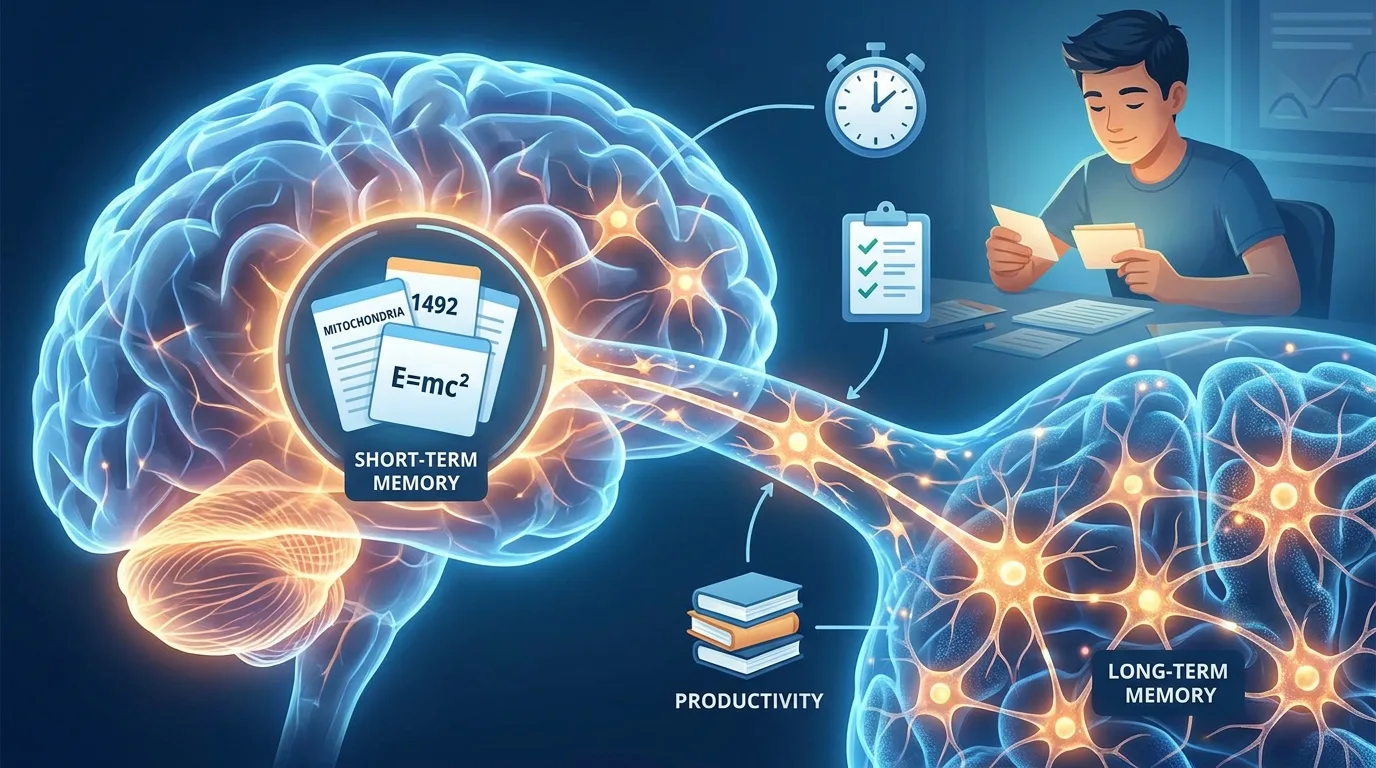
Retention is a critical aspect of learning, as it enables students to build upon previously acquired knowledge and apply it to new situations. This process involves encoding information from short-term memory into long-term memory, making it easier to recall and retrieve when needed. Poor retention habits can lead to difficulties in academic success, resulting in decreased motivation, lower grades, and increased stress levels.
On the other hand, productivity is essential for managing time effectively, meeting deadlines, and maintaining motivation. When students are productive, they are able to focus on their goals, prioritize their tasks, and allocate their time efficiently. This enables them to manage their workload, reduce procrastination, and achieve a better work-life balance.
The Pomodoro Technique: A Time Management Method
The Pomodoro Technique is a time management method developed by Francesco Cirillo in the late 1980s. It involves breaking down work into focused intervals (typically 25 minutes) called "Pomodoros," separated by short breaks. This technique has been widely adopted across various industries and academic settings due to its effectiveness in improving concentration, reducing distractions, and enhancing productivity.
The Pomodoro Technique works on the principle that our brains can only maintain focus for a certain period before mental fatigue sets in. By alternating between focused work and regular breaks, students can avoid burnout and maintain a consistent level of attention. This technique is particularly useful for students who struggle with procrastination or have difficulty staying motivated.
Active Recall Flashcards: An Interactive Study Tool
Active recall flashcards are a study tool that encourages learners to actively engage with the material rather than passively reading or listening to it. By covering up the answer on one side of an index card and writing a question or key term on the other, students can test their knowledge in a more interactive way.
Active recall involves recalling information from memory without looking at notes or textbooks. This process helps to strengthen memory consolidation and improves retention rates. When using flashcards, students can review material in short intervals, making it easier to retain and recall information.
Combining Pomodoro with Active Recall
When combined, these two techniques may create a beneficial synergy that can enhance retention and productivity. By applying the Pomodoro Technique to active recall flashcards, students can:
Improve focus: With regular breaks, students can avoid burnout and maintain a consistent level of attention.
Enhance retention: Active recall has been shown to be more effective than passive reading or listening in retaining information for some students.
Increase efficiency: By dedicating short intervals to focused study, students can make the most of their time.

How to Implement Pomodoro with Active Recall Flashcards
To get started, follow these steps:
1. Choose a topic or subject you want to focus on and create flashcards accordingly. Make sure each card has a question or key term on one side and the answer on the other.
2. Set a timer for 25 minutes (or another interval that suits your needs). This will help you stay focused and avoid distractions during your study session.
3. Start studying using the Pomodoro Technique: work on your flashcards without any distractions during this time. Try to focus on one card at a time, reviewing the question or key term before looking at the answer.
4. Take a short break when the timer goes off, stretching or doing something relaxing. This will help you recharge and maintain productivity.
5. Repeat the process, alternating between focused study and breaks.
Benefits of Combining Pomodoro with Active Recall
Research suggests that active recall can be an effective strategy for retaining information (Roediger & Karpicke, 2006). When combined with the Pomodoro Technique, this effect may be amplified. The benefits include:
Increased retention: By actively recalling information in short intervals, students are more likely to retain it.
Reduced burnout: Regular breaks help prevent exhaustion and maintain a healthy study pace.
Improved time management: This technique helps students prioritize their tasks and allocate their time effectively.
Overcoming Study Obstacles
For many students, the biggest challenge is retaining information. Here are some strategies that may be helpful:
Using Spaced Repetition
Spaced repetition involves reviewing material at increasingly longer intervals to help solidify it in long-term memory. This technique has been used by some students to improve retention.
When using spaced repetition, it's essential to review material at optimal intervals. Research suggests that the ideal interval for spaced repetition is around 24-48 hours (Ebbinghaus, 1885). However, this can vary depending on individual learning styles and preferences.
Managing Distractions
Students who struggle with distractions can try using a dedicated study space, turning off notifications, or using website blockers to minimize interruptions. By creating an environment conducive to focus, students can improve their productivity and retention rates.
Conclusion
Combining the Pomodoro Technique with active recall flashcards can be an effective way to boost student performance. By improving focus, enhancing retention, and increasing efficiency, this technique can help students achieve academic success and maintain motivation.
To implement this technique effectively, it's essential to understand how our brains work and how we can optimize our learning processes. By using the Pomodoro Technique in conjunction with active recall flashcards, students can take control of their learning, improve their productivity, and achieve their goals.
References:
Ebbinghaus, H. (1885). Memory: A Contribution to Experimental Psychology.
Roediger, H. L., & Karpicke, J. D. (2006). The power of retrieval practice: Theory and application of the testing effect. Current Directions in Psychological Science, 15(5), 265-270.
This Article was made with AI assistance and human editing.


