

The documentary "Free Solo" has captivated audiences with its gripping portrayal of Alex Honnold's attempt to climb El Capitan in Yosemite National Park without any ropes or safety gear. While the film is an adrenaline-fueled thrill ride, it also raises important questions about the risks involved in free solo climbing and the preparation required for such an endeavor.
What are the Risks Involved in Free Solo Climbing?
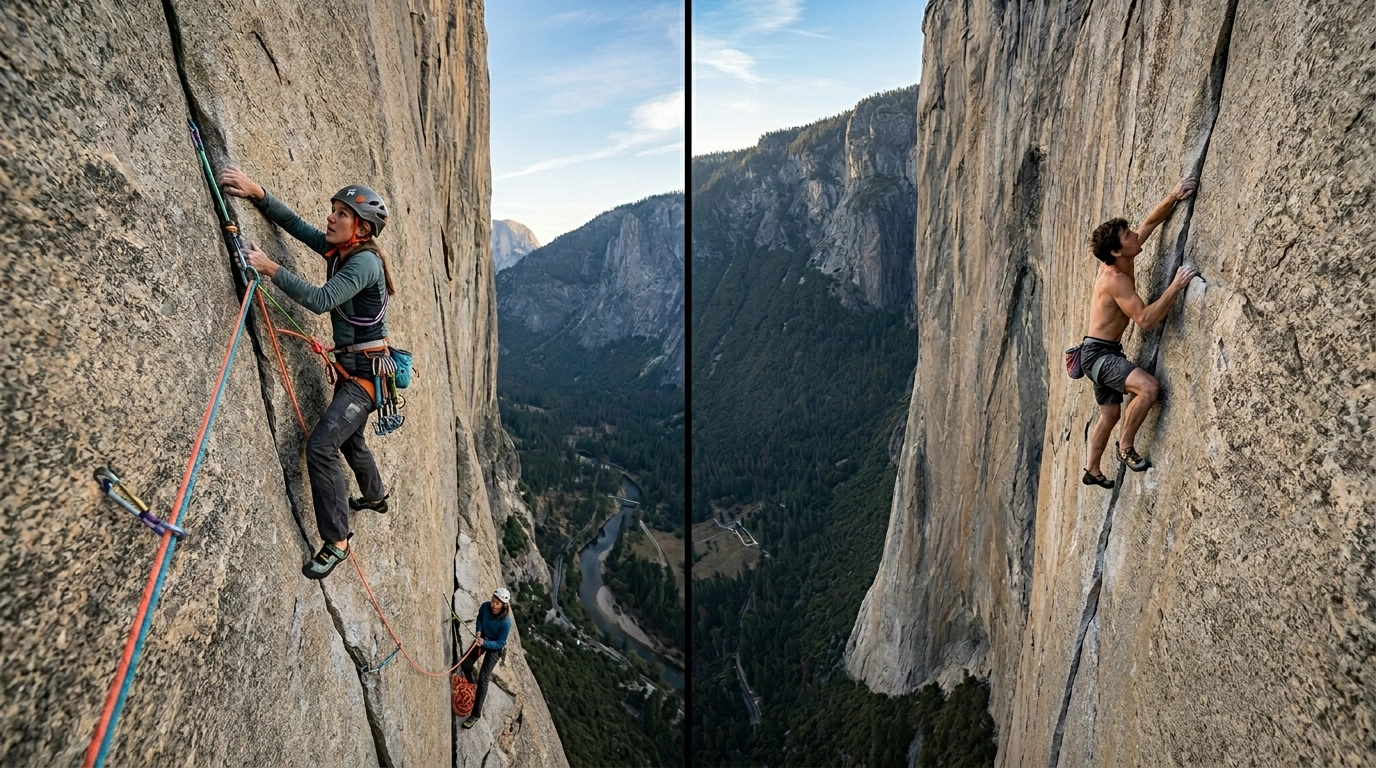
Free solo climbing involves ascending a rock face or other vertical surface using only one's hands and feet, without any protective equipment. This type of climbing is considered extremely high-risk due to the potential for falls, rockfall, and exposure to the elements. Falls, in particular, are a significant concern as even a relatively small height can be fatal.
To understand why falls are so deadly, consider that free solo climbers rely solely on their balance and agility to navigate vertical surfaces. A single misstep or loss of concentration can lead to a fall, which may result in serious injury or death. In fact, the National Park Service estimates that rock climbing fatalities occur at a rate of approximately 1 in 100,000 participants per year.
Rockfall is another significant risk associated with free solo climbing. The rock face itself can break off or crumble, sending debris crashing down on the climber. This can be caused by various factors, including weather conditions, erosion, or human error.
Exposure to the elements is also a critical concern for free solo climbers. Climbers are exposed to extreme temperatures, wind, and precipitation, which can make it difficult to navigate and increase the risk of hypothermia or dehydration. For example, in cold climates, hypothermia can set in quickly if a climber becomes wet or experiences prolonged exposure to cold conditions.
Physical exhaustion is another significant risk associated with free solo climbing. Climbers must push themselves to their limits, increasing the risk of fatigue-related accidents. Fatigue can impair a climber's judgment and reaction time, making it more likely that they will experience an accident.
How Do Climbers Prepare for Free Solo Climbing?
While the documentary "Free Solo" makes it clear that free solo climbing is an incredibly high-risk activity, it also highlights the extensive preparation and experience required to tackle such a challenge. Here are some of the key steps involved:
Mental Preparation
Mental preparation is essential for free solo climbers. Climbers must develop a strong mental game, including focus, concentration, and emotional resilience. This involves cultivating a positive mindset, managing stress and anxiety, and maintaining confidence in one's abilities.
One way to achieve this is through mindfulness practices such as meditation or deep breathing exercises. These techniques can help climbers stay present and focused, even when faced with challenging situations.
Physical Conditioning
Physical conditioning is also critical for free solo climbers. Climbers need to build exceptional physical strength, endurance, and agility through rigorous training and exercise programs. This includes developing cardiovascular fitness, building muscular strength and endurance, and improving flexibility and mobility.
For example, a climber may engage in activities such as running, weightlifting, or yoga to improve their overall fitness level. They may also incorporate specific exercises that target the muscles used in climbing, such as fingerboard training for grip strength.
Route Knowledge
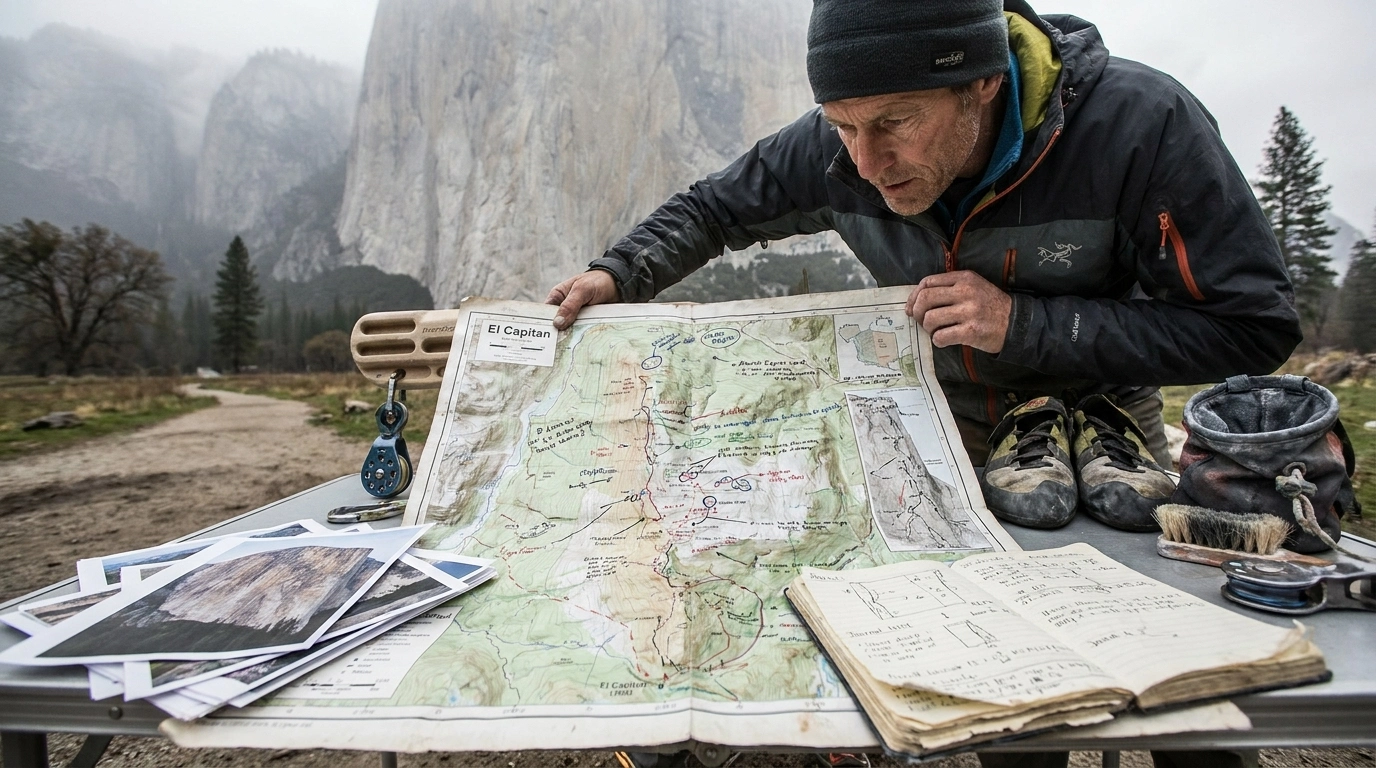
Route knowledge is essential for free solo climbers. Climbers must thoroughly study and memorize the route they plan to take, including any potential hazards or obstacles. This involves researching the route's history, studying maps and guides, and observing other climbers who have completed the route.
By developing a deep understanding of the route, climbers can anticipate potential challenges and develop strategies for mitigating risks. For example, they may identify areas where rockfall is more likely to occur and plan their route accordingly.
Risk Assessment
Risk assessment is also critical for free solo climbers. Climbers must assess the risks involved in their climb and develop strategies for mitigating those risks. This involves evaluating factors such as weather conditions, rock stability, and potential hazards along the route.
By conducting thorough risk assessments, climbers can identify areas where they need to take extra precautions or adjust their strategy to minimize risks. For example, if a climber identifies an area with loose rocks, they may choose to avoid that section of the climb or develop strategies for mitigating the risk of rockfall.
The Role of Experience and Training
While the documentary "Free Solo" makes it clear that free solo climbing is an extreme sport, it's also important to note that even experienced climbers can have accidents. Alex Honnold himself has been climbing for over 20 years and has extensive experience with both traditional and free solo routes.
However, even with extensive experience, climbers must continually update their skills and knowledge to stay safe on the rock face. This includes staying current with new techniques and strategies for navigating complex routes.
For example, a climber may engage in ongoing training programs to develop new skills or improve existing ones. They may also seek guidance from experienced mentors or instructors who can provide valuable insights and advice.
The Importance of Safety Protocols
While the documentary "Free Solo" focuses on Alex Honnold's free solo climb, it's essential to note that safety protocols are an essential part of any climbing endeavor. This includes:
Belaying
A trained belayer can help catch a climber if they fall. This is especially important for climbers who are new to the sport or attempting more challenging routes.
Rope Systems
Climbers should use rope systems to protect themselves from falls and other hazards. This involves using ropes, harnesses, and other safety equipment to ensure that climbers can be caught in case of a fall.
Weather Monitoring
Climbers should monitor weather conditions closely, as extreme temperatures or precipitation can increase the risk of accidents. For example, if a climber is climbing in an area prone to thunderstorms, they may choose to delay their climb until safer conditions prevail.
Conclusion
The documentary "Free Solo" is an eye-opening portrayal of the risks involved in free solo climbing. While this type of climbing requires extensive preparation, experience, and training, it also highlights the importance of safety protocols and responsible climbing practices.
By understanding the risks associated with free solo climbing and taking steps to mitigate those risks, climbers can enjoy this thrilling sport while minimizing their exposure to potential hazards. As Alex Honnold himself notes in the documentary, "Climbing is a way to challenge yourself, to push your limits, and to explore the unknown."
This Article was made with AI assistance and human editing.