

The Science Behind Searing: Unlocking Maillard Reaction
When it comes to cooking steaks, there's one technique that stands out for its ability to create a perfect crust on the outside while locking in juiciness inside: searing. But have you ever wondered what exactly happens when you sear a steak? Is it just a matter of applying heat, or is there something more at play? The answer lies in a complex chemical reaction called the Maillard reaction.
In this article, we'll delve into the science behind searing and explore how the Maillard reaction affects not only the flavor but also the texture of your steak. By understanding the chemistry behind this cooking technique, you'll be able to take your grilling game to the next level and achieve perfectly cooked steaks every time.
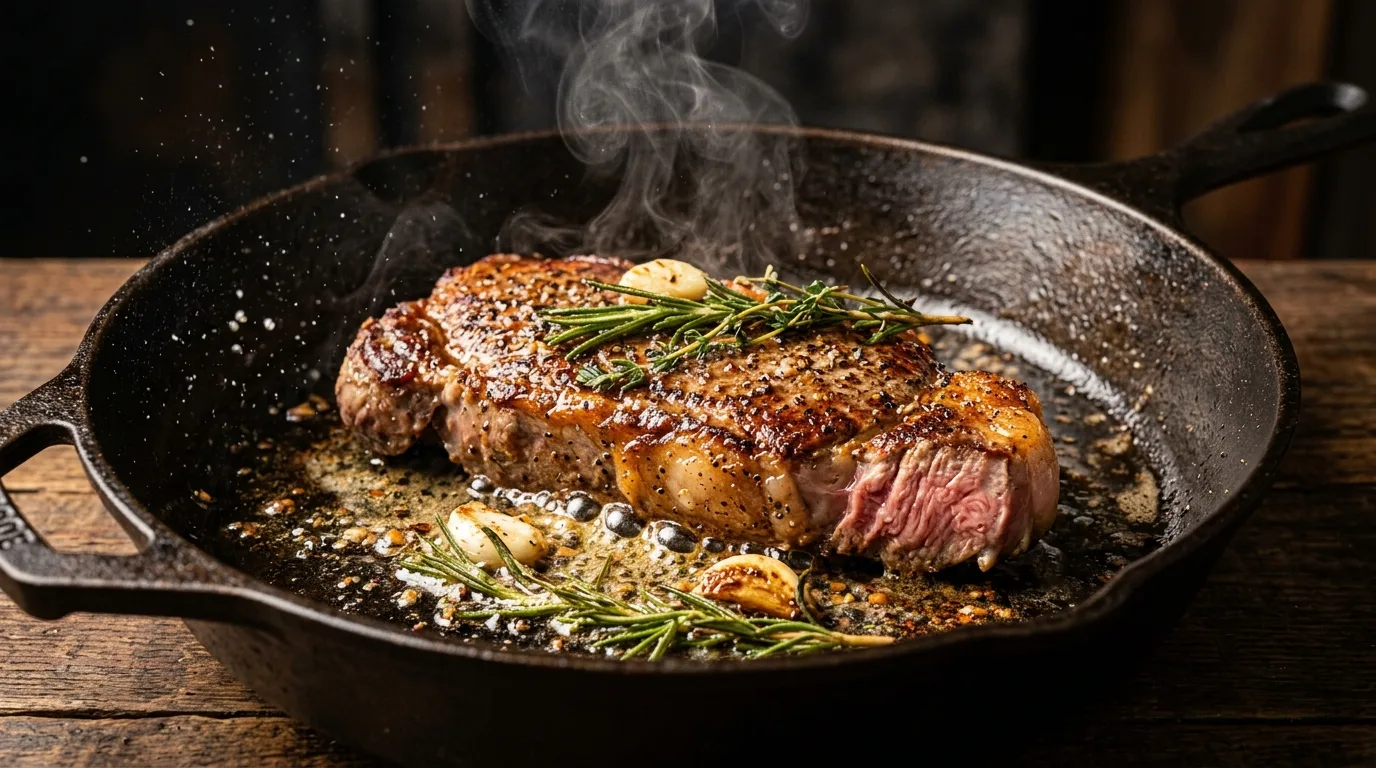
What is the Maillard Reaction?
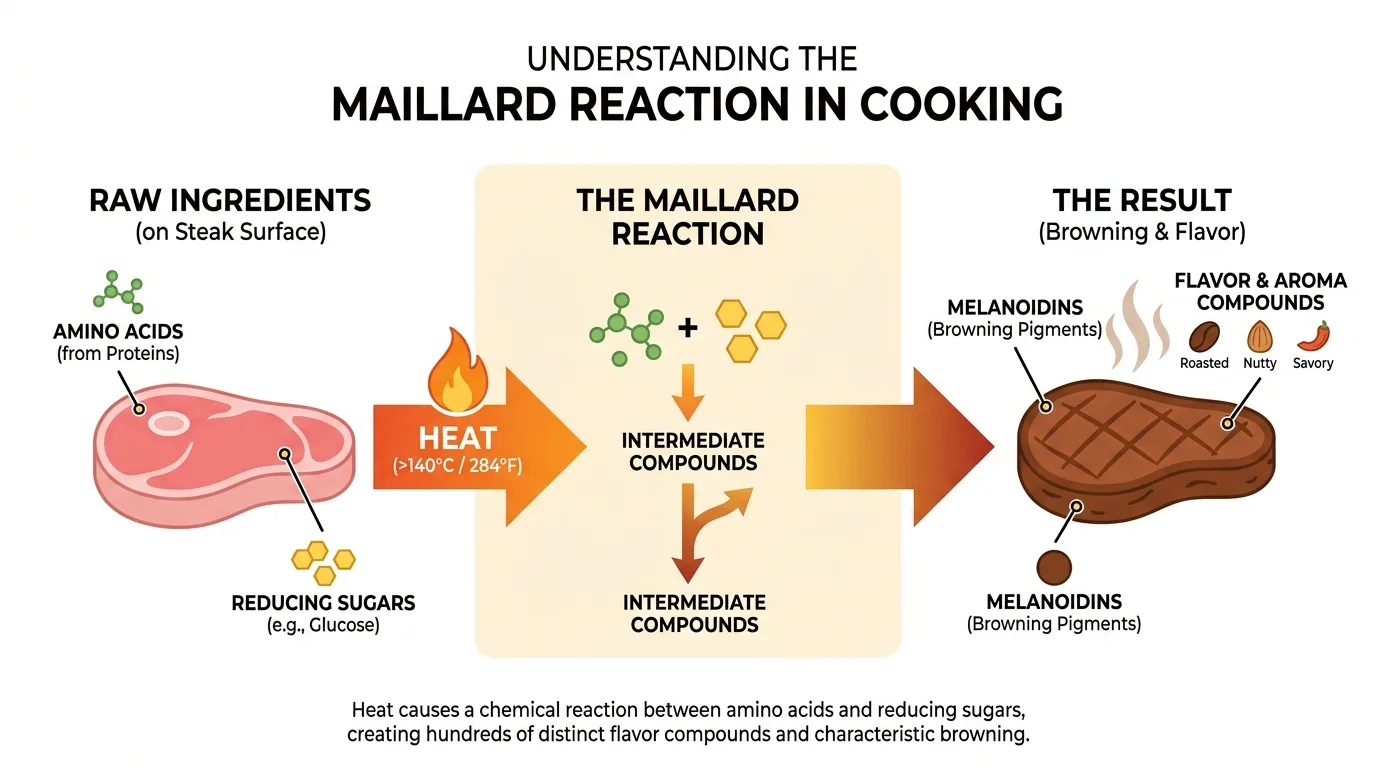
The Maillard reaction is a chemical reaction between amino acids and reducing sugars that occurs when food is cooked, leading to the formation of new flavor compounds and browning. This reaction is named after French chemist Louis-Camille Maillard, who first described it in the early 20th century.
In simple terms, the Maillard reaction is a process where two or more molecules combine to form a new compound with distinct properties. When you apply heat to the surface of the steak, the amino acids and reducing sugars present in the meat begin to break down and react with each other. This reaction leads to the formation of new compounds with distinct flavors and aromas.
The Science Behind the Maillard Reaction
The Maillard reaction involves a series of complex chemical reactions that occur when food is cooked. These reactions involve the breakdown of molecules, such as amino acids and reducing sugars, into smaller fragments. These fragments then react with each other to form new compounds, which contribute to the flavor, aroma, and texture of the meat.
One key aspect of the Maillard reaction is the formation of advanced glycation end-products (AGEs). AGEs are substances that form when protein or fat molecules react with reducing sugars in a process known as glycation. This reaction can lead to the formation of new compounds with distinct flavors and aromas.
Key Features of the Maillard Reaction:
• Browning: The Maillard reaction is responsible for the characteristic browning that occurs when food is cooked.
• Flavor Formation: New flavor compounds are formed through the Maillard reaction, which contributes to the overall taste and aroma of the steak.
• Texture Change: The Maillard reaction can also affect the texture of the meat by making it more tender and easier to chew.
Understanding the Role of Temperature
Temperature plays a crucial role in the Maillard reaction. When you apply heat to the surface of the steak, the amino acids and reducing sugars present in the meat begin to break down and react with each other. This reaction leads to the formation of new compounds with distinct flavors and aromas.
The ideal temperature for searing steaks is between 400°F (200°C) and 450°F (230°C). At this temperature, the Maillard reaction occurs rapidly, leading to the formation of new flavor compounds and browning. If the pan is too cold, the Maillard reaction will be slower, resulting in a less flavorful crust.
How Does the Maillard Reaction Affect Steak Texture and Flavor?
The Maillard reaction plays a dual role in searing steaks. On one hand, it helps create that perfect crust on the outside, which adds texture and flavor to the dish. On the other hand, it also affects the internal texture of the steak by making it more tender and easier to chew.
When the Maillard reaction occurs, the amino acids and reducing sugars present in the meat break down and react with each other. This leads to the formation of new compounds that contribute to the overall flavor and aroma of the steak. The resulting products include:
• Flavonoids: These are responsible for the characteristic browning and can also contribute to the flavor.
• Aldehydes: These have a distinct, savory flavor that enhances the overall taste of the steak.
Tips for Maximizing the Maillard Reaction:
1. Choose the right cut of meat: Opt for high-quality steaks with a good balance of marbling (fat content) and lean muscle mass.
2. Preheat your pan: A hot pan is essential for achieving that perfect crust. Use a thermometer to ensure the pan reaches an internal temperature of at least 400°F (200°C).
3. Don't overcrowd the pan: Cook steaks individually to prevent them from steaming instead of searing.
4. Use oil with a high smoke point: Choose oils like avocado or grapeseed, which can handle high temperatures without breaking down.
Common Mistakes to Avoid:
1. Overcooking the steak: Overcooking the steak can lead to the formation of new compounds that are not desirable. This is because overcooking causes the Maillard reaction to occur more slowly, resulting in a less flavorful crust.
2. Not using enough oil: Using too little oil can cause the pan to become dry and hotspots can form, leading to an uneven sear.
Conclusion
The Maillard reaction is a complex chemical reaction that occurs when food is cooked. It plays a crucial role in the formation of new flavor compounds and browning, which contribute to the overall texture and flavor of the steak. By understanding the science behind the Maillard reaction, you can take your grilling game to the next level and achieve perfectly cooked steaks every time.
This Article was made with AI assistance and human editing.