

Mastering Flossing Techniques for Gum Disease Prevention
Gum disease is a common oral health issue that affects millions of people worldwide. It's characterized by inflammation and infection of the gums (gingivitis) and can lead to more severe conditions if left untreated, such as periodontitis. One of the most effective ways to prevent gum disease is through regular flossing. However, many people struggle with mastering the right techniques, which can be frustrating and even painful.
In this article, we'll explore the best flossing techniques for preventing gum disease, addressing common questions and pain points along the way. By the end of this guide, you'll have a clear understanding of how to incorporate flossing into your daily oral hygiene routine and maintain a healthy smile.
What is Flossing?
Flossing is an essential part of oral hygiene that involves removing food particles and plaque from between teeth and under the gumline. It's typically done once or twice a day, either in the morning or before bed. Regular flossing helps prevent gum disease by:
• Reducing the risk of gingivitis • Preventing plaque buildup • Removing trapped food particles • Stimulating blood flow to the gums
Breaking Down Flossing: Understanding its Purpose and Benefits
Flossing is a crucial step in maintaining good oral hygiene, but many people are unsure about what it entails. To put it simply, flossing helps remove debris and plaque that can accumulate between teeth and under the gumline, leading to inflammation and infection.
How Often Should I Floss?
The American Dental Association (ADA) recommends flossing at least once a day, preferably before brushing your teeth in the morning. This helps remove any bacteria or debris that may have accumulated overnight.
However, if you're prone to gum disease or have already been diagnosed with it, your dentist may recommend more frequent flossing. Typically, people with gum disease need to floss:
• At least twice a day • Before and after meals • After brushing your teeth
Understanding the Importance of Frequency in Flossing
Flossing frequency is crucial for maintaining good oral hygiene, especially if you're prone to gum disease. Regular flossing helps prevent plaque buildup, reduce inflammation, and promote healthy gums.
The Correct Flossing Technique
Mastering the correct flossing technique is crucial for effective removal of plaque and food particles. Here's a step-by-step guide on how to floss correctly:
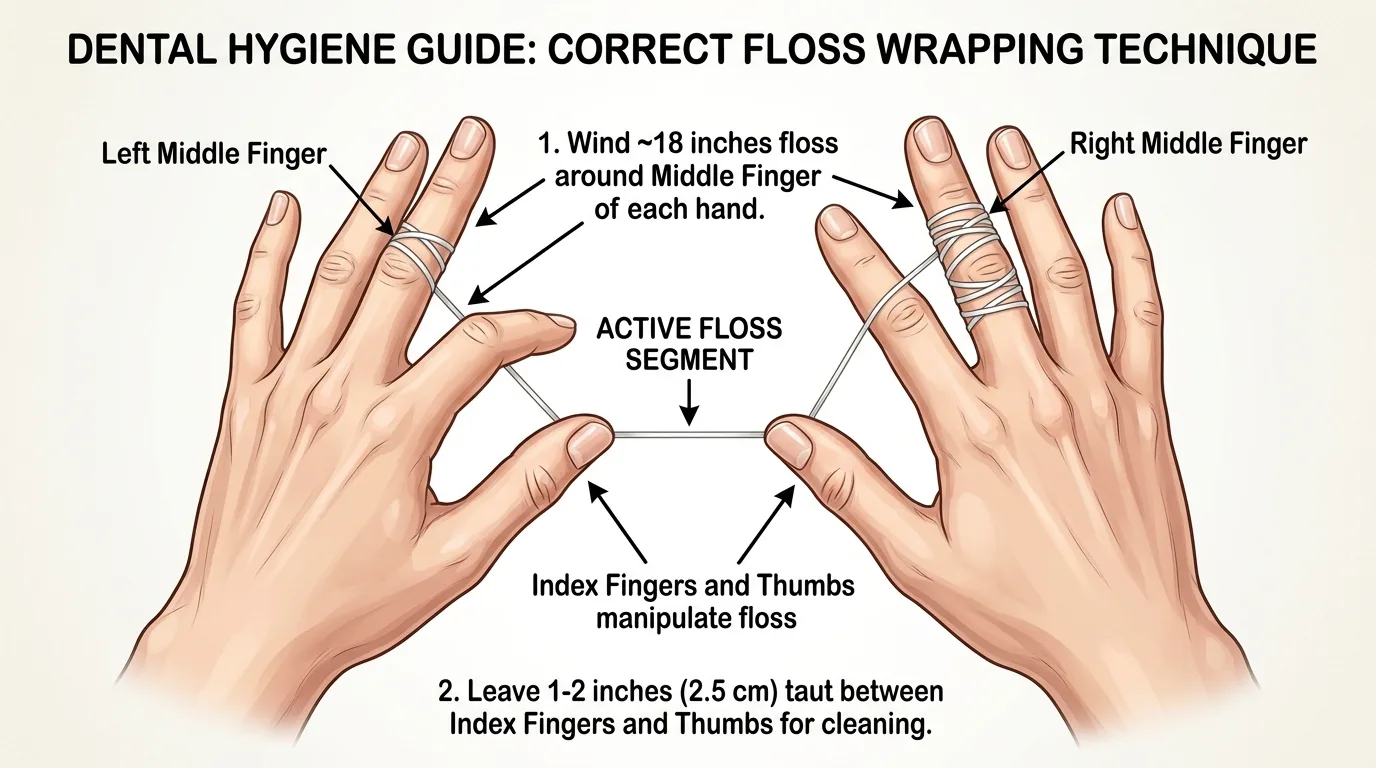
1. Take a Long Piece of Floss: Take a piece of floss that's long enough to wrap around your middle fingers, leaving about 1-2 inches in between.
Make sure the floss is not too tight or too loose – this will help you achieve the best results.
2. Wrap the Floss Around Your Middle Fingers: Wrap the floss around your middle fingers, making sure it's snug but not too tight.
Be careful not to wrap the floss too tightly, as this can cause discomfort and pain.
3. Guide the Floss Between Teeth: Guide the floss between two teeth using a zig-zag motion. Curve the floss around the edge of each tooth in a "C" shape.
Make sure to curve the floss gently around each tooth – don't snap or force it, as this can cause damage and bleeding.
4. Slide the Floss Under the Gumline: Gently slide the floss under the gumline, curving it around the base of the tooth to remove any trapped particles.
Make sure to be gentle when sliding the floss under the gumline – don't push too hard or you may cause bleeding and irritation.
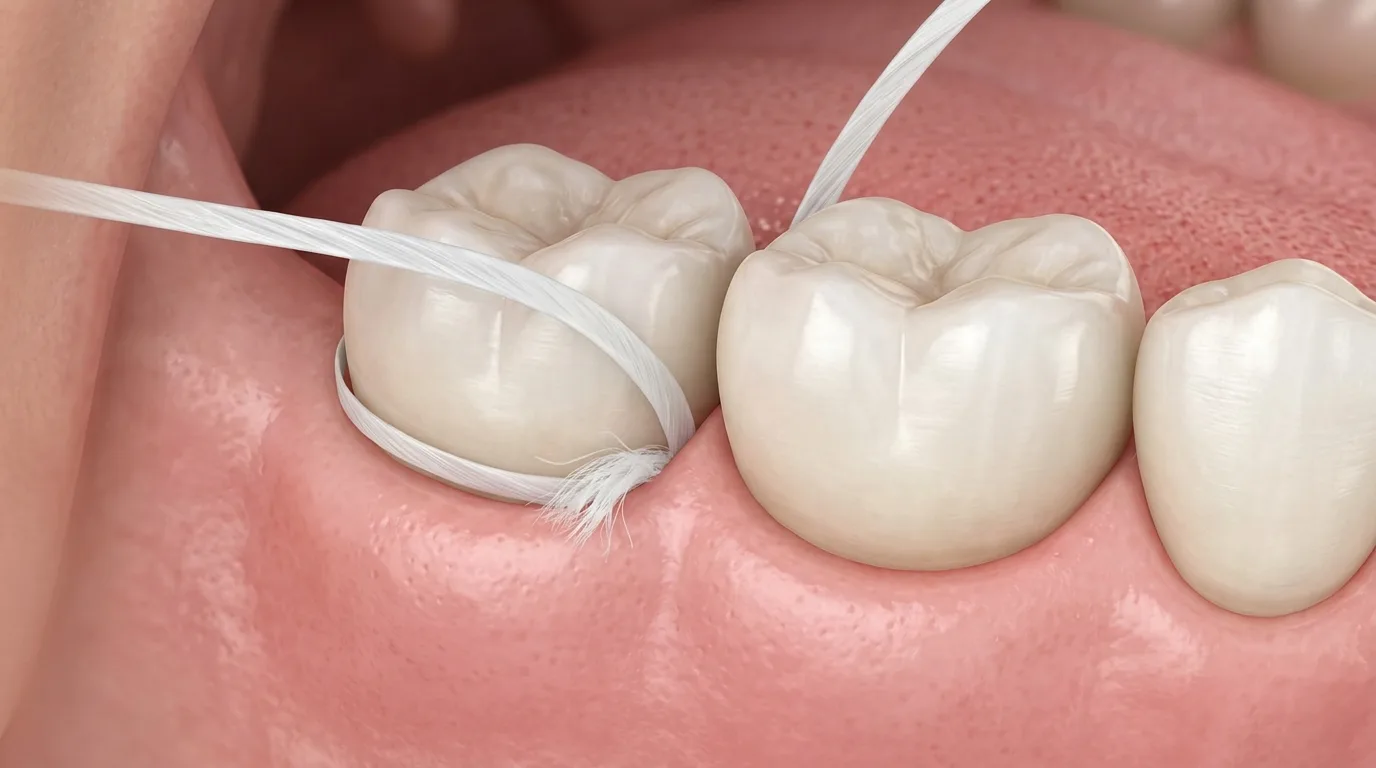
5. Repeat for Each Tooth: Repeat this process for each tooth, including the back sides of your molars.
Tips for Effective Flossing
Mastering the correct flossing technique requires patience and practice. Here are some tips to help you achieve effective results:
Use a gentle touch when guiding the floss between teeth
Don't snap or force the floss around the gumline
Curve the floss in a "C" shape around each tooth
Floss in the morning before brushing your teeth
Common Flossing Mistakes and How to Avoid Them
Flossing can be tricky, but with practice and patience, you'll become more comfortable and confident. Here are some common mistakes people make when flossing:
Flossing too aggressively or with too much force
Not curving the floss around each tooth properly
Not using enough floss to cover all teeth
By avoiding these common mistakes, you can ensure effective results and maintain good oral hygiene.
Common Questions About Flossing
We've received many questions about flossing over the years. Here are some answers to address your concerns:
Q: How often should I change my floss? A: It's recommended to change your floss every 1-2 months or sooner if you notice any signs of wear and tear.
Q: Can I use interdental brushes instead of floss? A: Interdental brushes can be a good alternative, but they may not reach as far between teeth as floss.
Conclusion
Mastering the correct flossing technique is crucial for maintaining good oral hygiene. By following these steps and tips, you'll be well on your way to preventing gum disease and promoting healthy gums. Remember to practice regularly, avoid common mistakes, and use a gentle touch when flossing.
Additional Tips for Maintaining Good Oral Hygiene
Flossing is just one part of maintaining good oral hygiene. Here are some additional tips:
Brush your teeth at least twice a day with fluoride toothpaste
Visit your dentist regularly for check-ups and cleanings
Eat a balanced diet that includes plenty of fruits, vegetables, and whole grains
This Article was made with AI assistance and human editing.