

Maximizing Energy Efficiency with Smart Thermostats
In today's world of rapid technological advancements, smart devices have become an essential part of our daily lives. From smartphones to home automation systems, these connected devices have transformed the way we live and work. One area where smart technology has made a significant impact is in energy efficiency. In this article, we'll explore how smart thermostats can optimize energy savings in both residential and industrial settings.
Understanding Energy Consumption
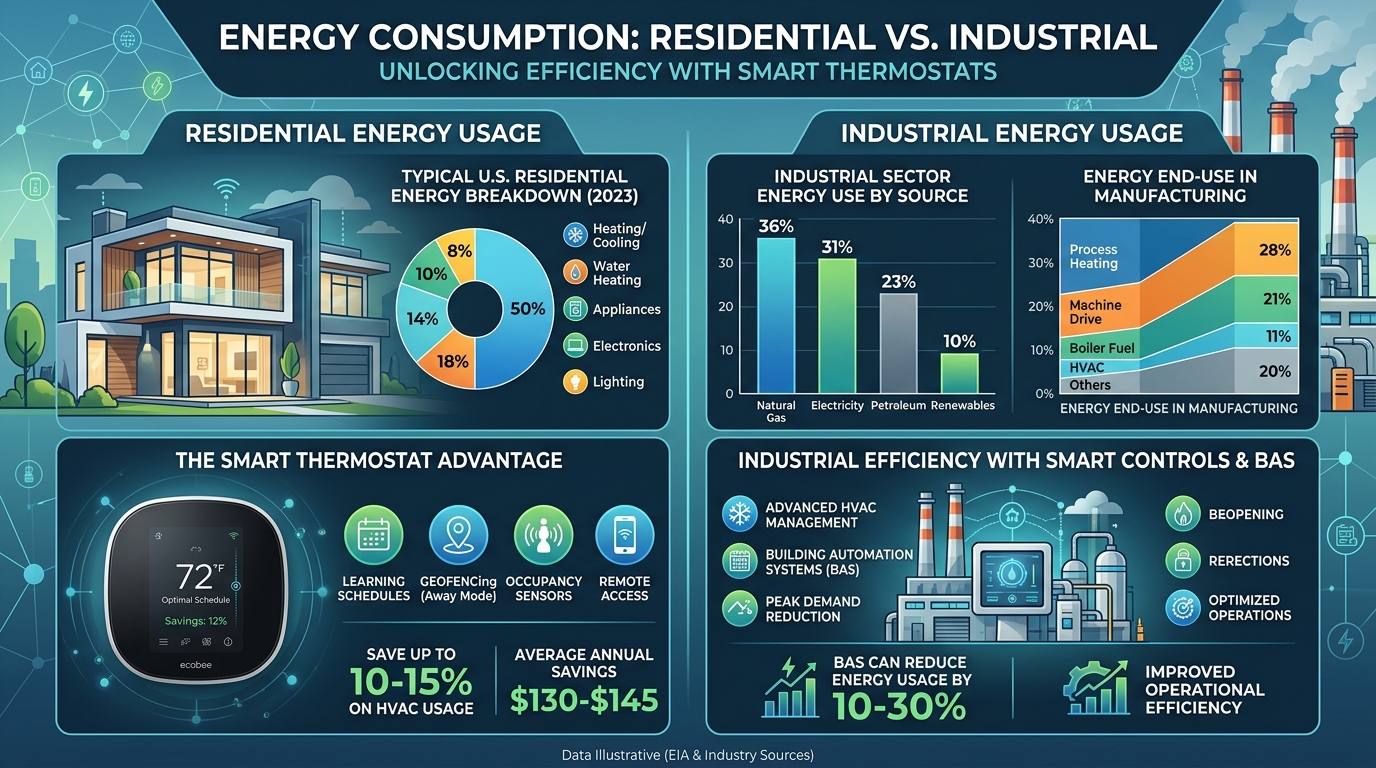
Before diving into the world of smart thermostats, it's essential to understand the concept of energy consumption. The average household uses a significant amount of energy for heating and cooling, with the latter being one of the largest contributors to greenhouse gas emissions. In industrial settings, energy consumption can be even more substantial due to the scale of operations.
To put this into perspective, according to the U.S. Energy Information Administration (EIA), residential buildings accounted for approximately 21% of total energy consumption in the United States in 2020. Commercial and industrial buildings, on the other hand, consumed around 17%. This highlights the importance of implementing energy-efficient solutions in various settings.
What is Energy Consumption?
Energy consumption refers to the amount of energy used by a building or facility over a period of time. It can be measured in terms of kilowatt-hours (kWh) or British thermal units (BTUs). Energy consumption is often broken down into different categories, including:
Heating: The use of energy for space heating, hot water, and other applications.
Cooling: The use of energy for air conditioning, refrigeration, and other cooling applications.
Lighting: The use of energy for lighting purposes, including incandescent bulbs, fluorescent lights, and LED lamps.
How Smart Thermostats Optimize Energy Savings
Smart thermostats like Nest use advanced algorithms to learn our temperature preferences and optimize heating and cooling schedules accordingly. These devices can be controlled remotely through smartphone apps, allowing users to adjust temperatures even when they're not at home.
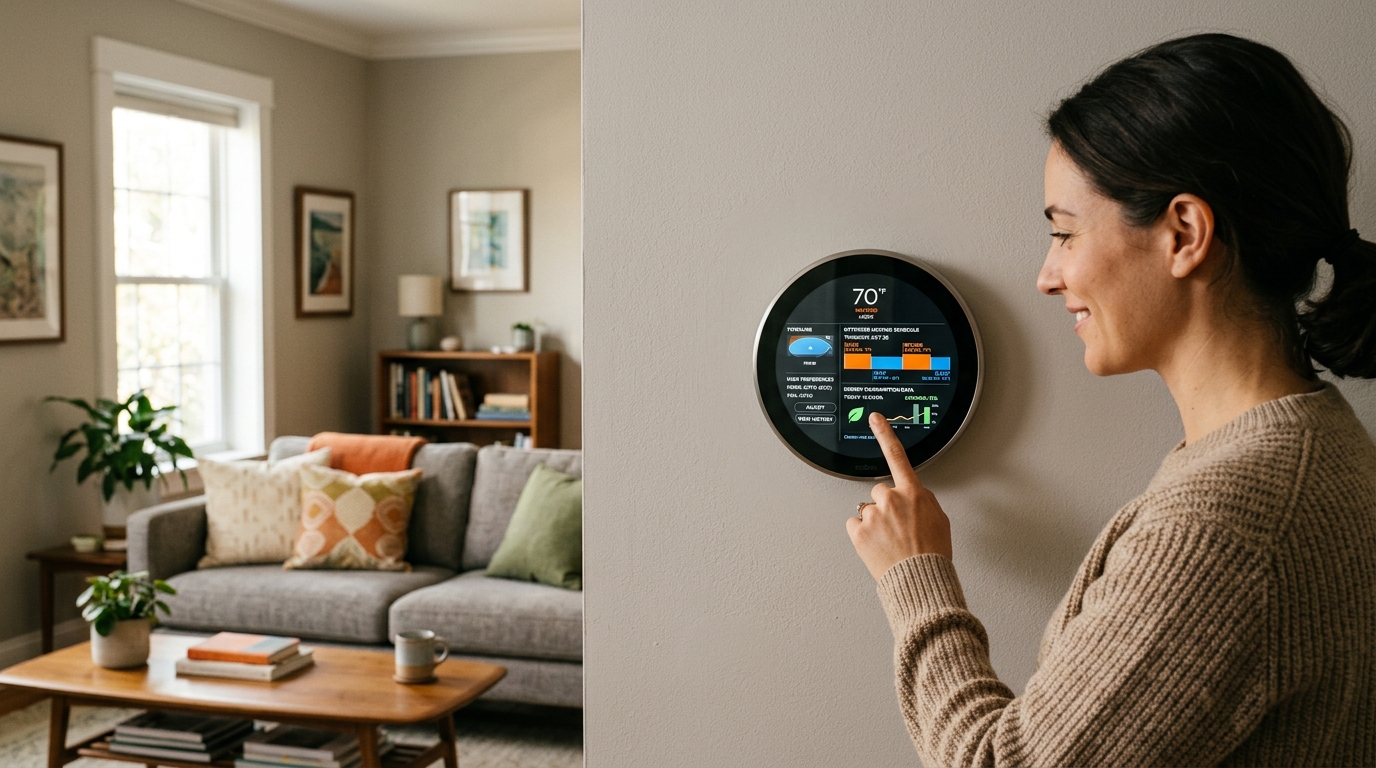
Some key features of smart thermostats include:
Learning capabilities: Smart thermostats can adapt to our daily routines and preferences, ensuring that we're always comfortable without wasting energy.
Remote access: With a smartphone app, users can control their thermostat from anywhere, making it easy to adjust temperatures when they're not at home.
Energy monitoring: Many smart thermostats come equipped with energy monitoring features, allowing users to track their energy consumption and identify areas for improvement.
Scheduling: Smart thermostats enable users to schedule temperature adjustments in advance, ensuring that heating and cooling systems are only used when necessary.
Benefits of Using Nest in Industrial Settings
Nest is one of the most popular smart thermostat brands on the market, and its benefits extend beyond residential settings. In industrial environments, Nest can help reduce energy consumption and costs by optimizing temperature schedules and providing real-time energy monitoring.
Some key benefits of using Nest in industrial settings include:
Reduced energy consumption: By optimizing temperature schedules and reducing standby power consumption, Nest can help industries save up to 20% on their energy bills.
Increased productivity: With a more comfortable working environment, employees are more likely to be productive and efficient.
Improved equipment lifespan: By maintaining optimal temperatures, industrial equipment lasts longer and requires less maintenance.
Implementing Smart Thermostats in Industrial Settings
While smart thermostats like Nest are designed for residential use, their benefits can also be applied to industrial settings. To implement a smart thermostat system in an industrial setting, follow these steps:
1. Assess energy consumption patterns: Analyze your facility's energy usage patterns to identify areas where energy savings can be achieved. 2. Install smart sensors: Place smart sensors throughout the facility to monitor temperature and energy consumption in real-time. 3. Configure temperature schedules: Set optimal temperature schedules for heating and cooling systems based on production needs and employee comfort. 4. Monitor and adjust: Regularly monitor energy consumption and adjust temperature schedules as needed to ensure maximum energy savings.
Real-World Examples
Several companies have successfully implemented smart thermostat systems to reduce energy consumption and costs. For example:
A manufacturing facility installed a smart thermostat system and reduced their energy consumption by 15%.
An office building implemented a smart lighting system and reduced their energy consumption by 10%.
Conclusion
Smart thermostats like Nest have revolutionized the way we approach energy efficiency. By learning and adapting to our temperature preferences, these devices can optimize heating and cooling schedules, reduce energy consumption, and lower costs. In this article, we've explored the benefits of smart thermostats in both residential and industrial settings.
By implementing a smart thermostat system, businesses and homeowners can contribute to a more sustainable future while reducing their energy bills. With its advanced algorithms and user-friendly interface, Nest is an ideal solution for anyone looking to optimize their energy consumption and reduce their environmental impact.
Tips for Implementing Smart Thermostats
Start small: Begin by implementing smart thermostats in one area of the facility or home.
Monitor performance: Regularly monitor energy consumption and adjust temperature schedules as needed.
Educate employees: Educate employees on the benefits and features of the smart thermostat system.
By following these tips, businesses and homeowners can maximize their energy savings and contribute to a more sustainable future.
This Article was made with AI assistance and human editing.

