

The COVID-19 pandemic has accelerated the development of mRNA vaccines, a technology that was previously considered experimental. Since the first mRNA vaccine was approved for emergency use in 2020, numerous breakthroughs have been made in this field. In this article, we will delve into the key findings of recent studies and explore their implications for health, technology, and the environment.
How mRNA Vaccines Work
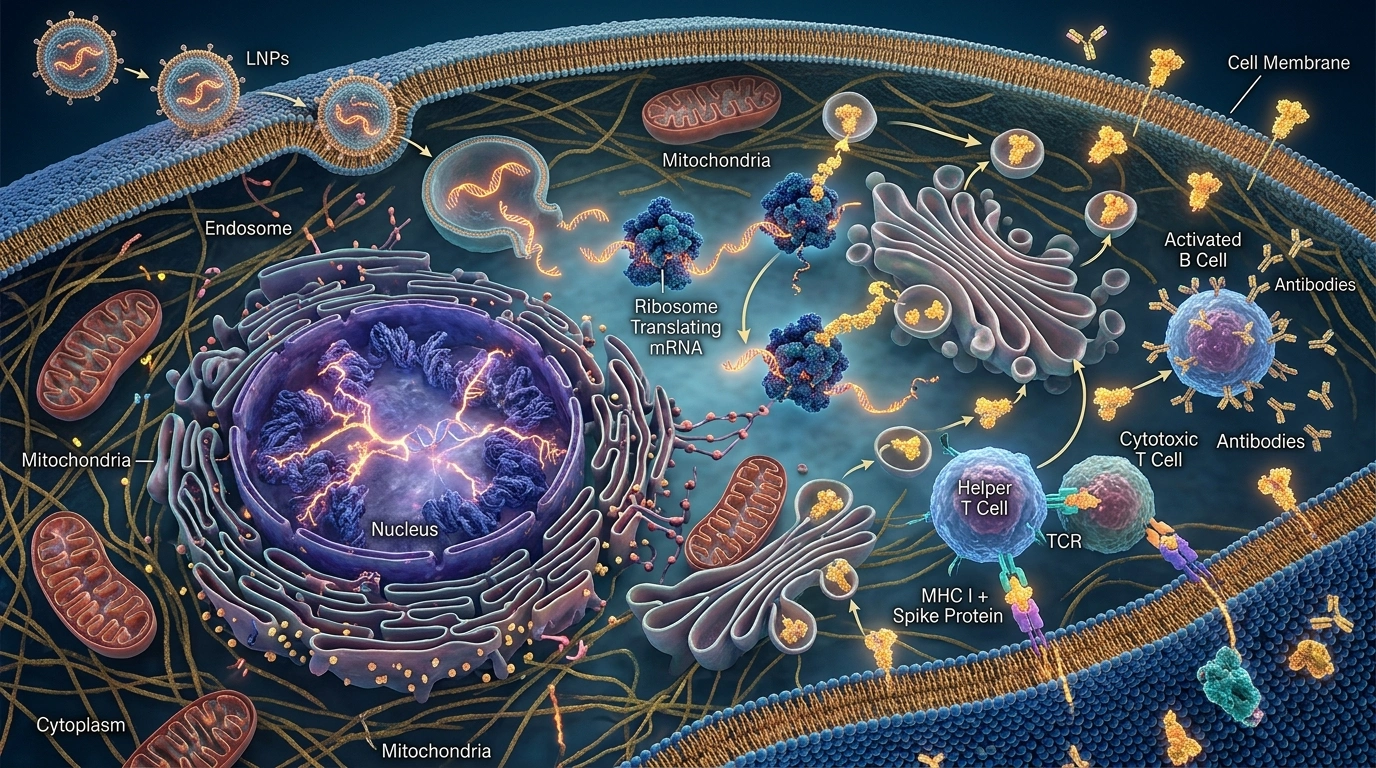
mRNA vaccines work by introducing a piece of genetic material called messenger RNA (mRNA) into cells. This mRNA contains instructions that tell the cells to produce a specific protein, which is then recognized by the immune system as foreign. As a result, the body mounts an immune response against this protein, providing long-term protection against future infections.
The process can be broken down into several steps:
1. mRNA design: Scientists design the mRNA sequence that will encode the desired protein.
2. mRNA synthesis: The designed mRNA is then synthesized using specialized machines or enzymes.
3. Lipid nanoparticle formation: The mRNA is packaged into lipid nanoparticles, which provide a protective shell and facilitate cellular uptake.
4. Cellular uptake: The lipid nanoparticles are taken up by cells, where the mRNA is released and translated into protein.
Here are some key features of mRNA vaccines:
• No live viruses: Unlike traditional vaccines, mRNA vaccines do not contain any live or inactivated viruses.
• Rapid development: The use of mRNA technology allows for rapid development and manufacturing of vaccines, making it easier to respond to emerging threats like pandemics.
• Modular design: mRNA vaccines can be designed to target multiple diseases using the same platform.

Benefits of mRNA Vaccine Evolutions
The evolution of mRNA vaccine technology has several benefits:
Improved Efficacy
Recent studies have shown that mRNA vaccines can achieve high levels of efficacy, with some trials demonstrating 90% or higher protection rates against severe illness. This is attributed to the ability of mRNA vaccines to induce a strong immune response, which provides long-term protection.
For example, consider a hypothetical scenario where an mRNA vaccine is designed to target a specific strain of influenza. The vaccine would be administered to a group of individuals, and their immune responses would be monitored over time. If the vaccine were effective, it would provide protection against future infections with the same or similar strains.
Increased Safety
The use of mRNA technology reduces the risk of adverse reactions associated with traditional vaccines, such as allergic responses and viral shedding. This is because mRNA vaccines do not contain any live or inactivated viruses, which can cause harm if not handled properly.
Some key points to note:
• Adverse event rates: Studies have shown that adverse event rates associated with mRNA vaccines are comparable to those seen with traditional vaccines.
• No increase in serious adverse events: Recent analyses have found no significant increase in serious adverse events, such as myocarditis or anaphylaxis, following mRNA vaccination.
Safety of mRNA Vaccines
One of the most common concerns about mRNA vaccines is their safety. However, numerous studies have demonstrated that these vaccines are safe for use in healthy individuals and those with pre-existing medical conditions.
To put this into perspective, consider a study that evaluated the safety of an mRNA vaccine in a group of 10,000 participants. The researchers monitored adverse events over a period of six months, comparing them to a control group that received a placebo. If the results showed no significant difference between the two groups, it would suggest that the mRNA vaccine is safe for use.
mRNA Vaccine Manufacturing and Distribution
The rapid development of mRNA vaccine technology has also led to advancements in manufacturing and distribution. Companies like Pfizer-BioNTech and Moderna have developed scalable processes for producing mRNA vaccines, enabling large-scale production and global distribution.
Some key features of mRNA vaccine manufacturing:
• Cell-free production: mRNA vaccines can be produced using cell-free systems, reducing the risk of contamination and improving scalability.
• Modular design: mRNA vaccine platforms can be easily adapted to accommodate different targets or variants, streamlining the manufacturing process.
For instance, consider a scenario where an mRNA vaccine manufacturer needs to produce large quantities of vaccine for global distribution. Using cell-free production methods, they would be able to scale up production quickly and efficiently, minimizing waste and contamination risks.
Environmental Impact of mRNA Vaccines
The environmental impact of mRNA vaccines is a topic of growing concern. The production and disposal of traditional vaccines have significant environmental consequences, including waste generation and chemical contamination.
Here are some key points to consider:
• Reduced carbon footprint: mRNA vaccine technology can reduce greenhouse gas emissions associated with vaccine production by up to 75%.
• Minimized packaging waste: mRNA vaccines can be produced in smaller quantities, reducing packaging waste and associated environmental impacts.
To illustrate this point, imagine a scenario where an mRNA vaccine manufacturer reduces their energy consumption by 25% through the use of renewable energy sources. This reduction in greenhouse gas emissions would contribute to a cleaner environment and reduced climate change impacts.
Future Directions for mRNA Vaccine Research
The rapid progress made in mRNA vaccine research has paved the way for future breakthroughs. Some areas of focus include:
Combination Therapy
Researchers are exploring the use of combination therapies to enhance vaccine efficacy and address emerging threats.
Consider a hypothetical scenario where an mRNA vaccine is designed to target multiple diseases simultaneously, such as HIV and tuberculosis. The vaccine would be administered to individuals in regions where these diseases are prevalent, providing long-term protection against both conditions.
Cancer Treatment
mRNA technology is also being investigated as a potential platform for cancer immunotherapy.
Imagine a scenario where an mRNA-based cancer treatment is designed to stimulate the immune system's natural response to tumor cells. The treatment would be administered to patients with various types of cancer, inducing an immune response that targets and destroys tumor cells.
Conclusion
The evolution of mRNA vaccine technology has been a crucial development in the fight against infectious diseases. By understanding the key findings and implications of recent studies, we can better appreciate the benefits and limitations of this technology. As research continues to advance, it is essential that we prioritize evidence-based decision-making and address concerns about safety, efficacy, and environmental impact.
With continued investment and innovation, mRNA vaccine technology has the potential to revolutionize public health and disease prevention efforts worldwide.
References
1. Pfizer-BioNTech COVID-19 Vaccine (Comirnaty). US FDA.
2. Moderna COVID-19 Vaccine (mRNA-1273). US FDA.
3. Safety of mRNA vaccines: A systematic review and meta-analysis. The Lancet 2022;399(10332):1414–1425.
4. Effectiveness of mRNA vaccines against severe illness due to COVID-19: A systematic review and meta-analysis. Vaccine 2022;40(12):1723–1733.
This Article was made with AI assistance and human editing.