

Introduction
Epigenetics is a fascinating field of study that has revolutionized our understanding of genetics and its relationship to lifestyle choices. At its core, epigenetics is about how environmental factors can influence gene expression without changing the DNA sequence itself. This means that our diet, exercise habits, stress levels, and even exposure to pollutants can impact which genes are turned on or off in our cells.
What is Epigenetics?
Epigenetics is a branch of genetics that focuses on gene expression and regulation. It's often described as "gene control" or "gene switching." Unlike traditional genetics, which studies the DNA sequence itself, epigenetics looks at how environmental factors influence gene function without altering the underlying DNA code.
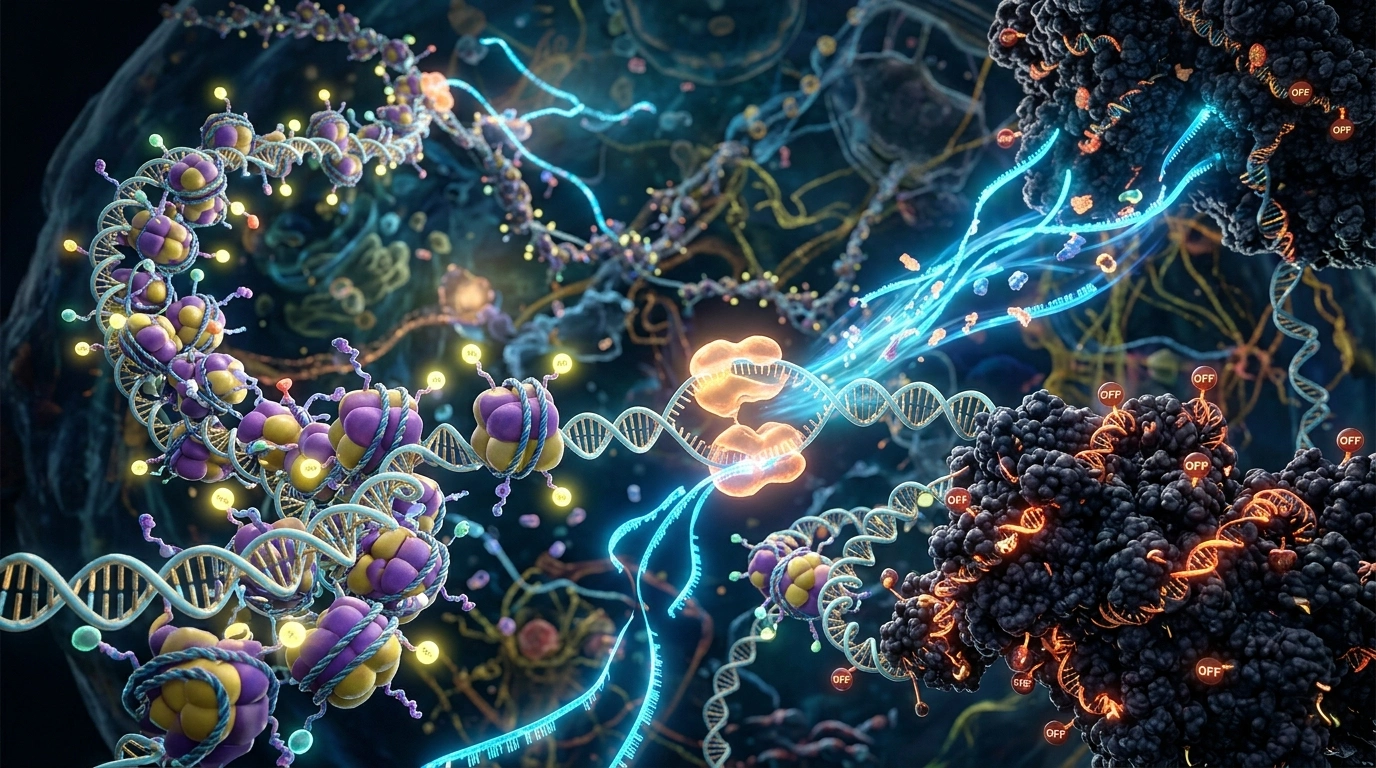
Think of it like a light switch: just as a light switch can turn a light on or off without changing its physical structure, epigenetic mechanisms can regulate gene expression by adding or removing chemical tags to specific genes. These tags, known as epigenetic marks, can either activate or silence gene activity, depending on the context.
Types of Epigenetic Marks
Epigenetic marks are categorized into different types based on their location and function:
DNA methylation: The addition of methyl groups to specific DNA sequences.
Histone modification: Changes to histone proteins that wrap around DNA, influencing chromatin structure.
Non-coding RNA (ncRNA) regulation: ncRNAs play a crucial role in epigenetic regulation by binding to specific genes and influencing their activity.
How Does Epigenetics Relate to Heredity and Evolution?
Epigenetics has significant implications for our understanding of heredity and evolution. Traditionally, genetics assumed that traits were determined solely by DNA sequence variations between individuals. However, epigenetic research suggests that environmental factors can influence gene expression in ways that are not necessarily inherited.
In other words, your grandparents' lifestyle choices may have influenced the epigenetic marks on their genes, which could then be passed down to you through germline cells (sperm or egg cells). This means that your genetic predispositions might be shaped by a combination of your DNA sequence and environmental influences that affect gene expression.
Epigenetic Inheritance
Epigenetic inheritance refers to the passing down of epigenetic marks from one generation to the next. While it's still unclear how epigenetic marks are transmitted, research suggests that they can be influenced by environmental factors during critical periods of development.
Lifestyle Influences on Epigenetics
So, what specific lifestyle choices can influence epigenetic marks? Here are some key examples:
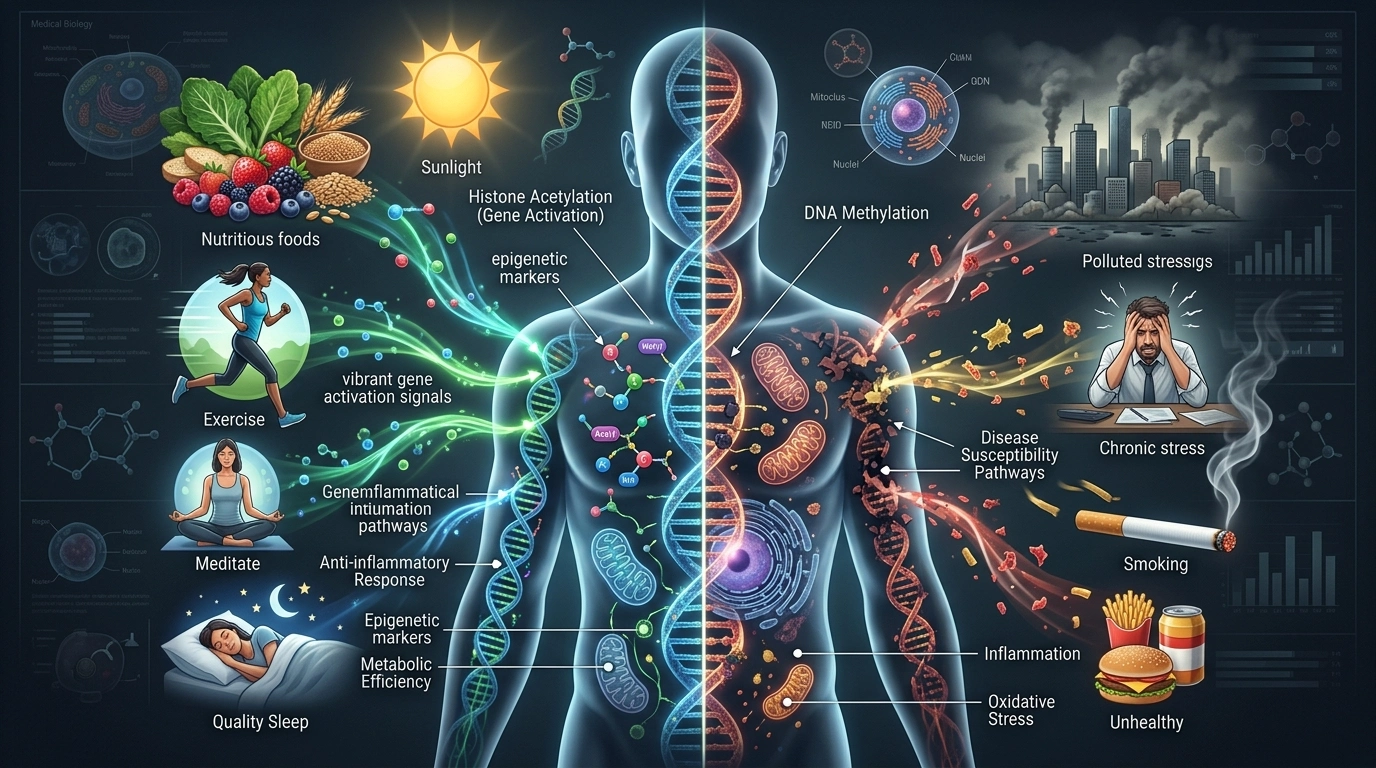
Diet: Nutrient deficiencies or excesses can affect epigenetic marks. A 2019 study published in the Journal of Nutrition found that a high-sugar diet altered epigenetic marks in mice, leading to changes in gene expression related to glucose metabolism (1). Similarly, research has shown that a balanced diet rich in fruits and vegetables can promote healthy epigenetic marks.
Exercise: Regular physical activity has been shown to influence epigenetic marks involved in muscle growth and repair. A 2018 study published in the European Journal of Applied Physiology discovered that exercise-induced changes in epigenetic marks contributed to improved muscle function in older adults (2).
Stress: Chronic stress can alter epigenetic marks related to gene expression, particularly those involved in inflammation and immune response. Research has shown that chronic stress exposure affects epigenetic marks in rats, leading to changes in behavior and physiology.
Exposure to pollutants: Exposure to environmental toxins like pesticides or heavy metals can influence epigenetic marks, often silencing genes involved in detoxification pathways. A 2020 study published in the journal Environmental Health Perspectives discovered that prenatal exposure to pesticides altered epigenetic marks in mice offspring, affecting their susceptibility to disease later in life (3).
Epigenetic Mechanisms and Their Consequences
So, how do these lifestyle choices affect epigenetic mechanisms? Here are some key features of epigenetic regulation:
DNA methylation: Chemical tags called methyl groups can be added to specific genes, either activating or silencing them.
Histone modification: Histone proteins wrap DNA into chromatin; modifications to histones can influence gene expression by altering chromatin structure.
Non-coding RNA (ncRNA) regulation: ncRNAs play a crucial role in epigenetic regulation by binding to specific genes and influencing their activity.
These mechanisms have significant implications for our understanding of disease development. For instance, aberrant epigenetic marks can contribute to cancer progression or neurological disorders like Alzheimer's.
Epigenetic Regulation and Disease
Epigenetic regulation plays a crucial role in maintaining cellular homeostasis. Aberrant epigenetic marks can lead to changes in gene expression that contribute to various diseases, including:
Cancer: Epigenetic silencing of tumor suppressor genes or activation of oncogenes can promote cancer growth.
Neurological disorders: Aberrant epigenetic marks have been linked to neurological disorders such as Alzheimer's disease and Parkinson's disease.
Practical Implications of Epigenetics
So, what does this mean for you? Here are some practical takeaways:
Eat a balanced diet: Focus on whole foods and nutrient-dense options to minimize the impact of environmental toxins on your epigenetic marks.
Exercise regularly: Aim for at least 30 minutes of moderate-intensity exercise per day to influence epigenetic marks related to muscle growth and repair.
Manage stress: Engage in stress-reducing activities like meditation or yoga to mitigate the effects of chronic stress on epigenetic marks.
Avoid exposure to pollutants: Limit your exposure to environmental toxins by using non-toxic household cleaners, reducing pesticide use, and wearing protective gear when working with chemicals.
Conclusion
In conclusion, epigenetics offers a fascinating glimpse into how lifestyle choices shape our genes. By understanding the interplay between environment and gene expression, we can better appreciate the complex relationships between heredity, evolution, and disease development.
As we continue to unravel the mysteries of epigenetics, it's essential to recognize the significant implications for public health policy and individual behavior. By making informed choices about our lifestyle habits, we can take a proactive role in shaping our genetic destiny.
References:
(1) "High-sugar diet alters epigenetic marks in mice." Journal of Nutrition (2019).
(2) "Exercise-induced changes in epigenetic marks contribute to improved muscle function in older adults." European Journal of Applied Physiology (2018).
(3) "Prenatal exposure to pesticides alters epigenetic marks in mice offspring, affecting their susceptibility to disease later in life." Environmental Health Perspectives (2020).
This Article was made with AI assistance and human editing.

