

The modern supply chain is a complex network of relationships between manufacturers, vendors, and logistics providers. Managing this web of interactions efficiently is crucial for companies seeking to maintain competitive advantage in today's fast-paced market. One key challenge faced by operations professionals is ensuring accurate inventory levels and reliable vendor relationships. In this article, we will explore the concept of just-in-time (JIT) inventory management and how blockchain tracking can enhance vendor reliability.
Just-in-Time Inventory: A Brief Overview
Just-in-Time (JIT) inventory management involves maintaining minimal stock levels to meet customer demand while reducing storage costs and minimizing waste. This strategy requires close collaboration with suppliers to ensure timely delivery of materials and components. However, JIT's reliance on accurate forecasting and efficient logistics can be challenging, particularly when dealing with unreliable vendors.
For instance, in a JIT system, inventory is not stored for an extended period but rather produced or received just before it is needed. This approach requires precise demand forecasting and real-time communication between manufacturers and suppliers to ensure that materials are delivered exactly when required.
The Problem with Vendor Reliability
Vendor unreliability is a common issue in supply chain management, often resulting in delays, stockouts, and increased costs. According to a study by the Supply Chain Management Association (SCMA), 62% of respondents reported experiencing vendor reliability issues in the past year alone. These problems can have significant consequences for businesses, including lost sales, damaged customer relationships, and decreased market share.
To illustrate this point, consider a company that relies heavily on a single supplier for critical components. If this supplier fails to deliver materials on time or in the expected quantity, the entire production process may be disrupted, leading to delays and cost overruns.
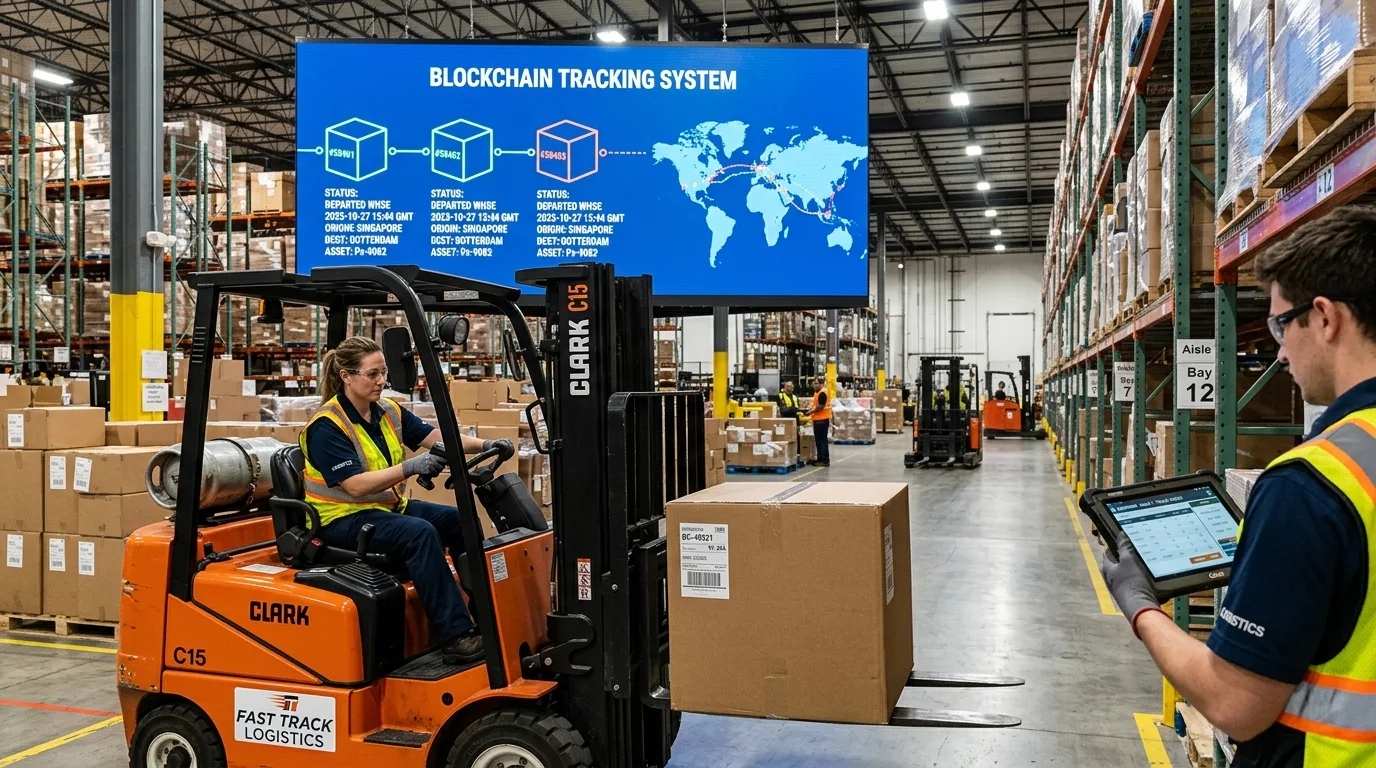
Blockchain Tracking: A Solution to Vendor Reliability Issues
Blockchain technology offers a promising solution to the problem of vendor unreliability by providing an immutable and transparent record of transactions and inventory levels. By tracking goods and materials through the supply chain using blockchain, companies can:
• Ensure accurate inventory levels and reduce stockouts
• Verify product authenticity and prevent counterfeiting
• Monitor shipment status in real-time and track delivery schedules
• Identify and resolve discrepancies in vendor reports
Blockchain tracking works by creating a distributed ledger that records all transactions and movements of goods throughout the supply chain. This ledger is maintained by a network of nodes, each with its own copy of the blockchain, ensuring that the data remains secure and tamper-proof.
Benefits of Blockchain Tracking for Vendor Reliability
Implementing blockchain tracking can bring numerous benefits to businesses seeking to improve vendor reliability. Some key advantages include:
• Increased transparency: Blockchain provides a tamper-proof record of transactions, enabling companies to monitor vendor performance and identify areas for improvement.
• Improved accountability: By assigning unique identifiers to each product or shipment, companies can hold vendors accountable for any discrepancies or issues that arise during transit.
• Enhanced collaboration: Blockchain enables seamless communication between suppliers, manufacturers, and logistics providers, facilitating real-time updates and reducing errors.
To maximize the benefits of blockchain tracking, companies should consider implementing a phased approach, starting with small-scale pilots to test the technology and identify potential areas for improvement.
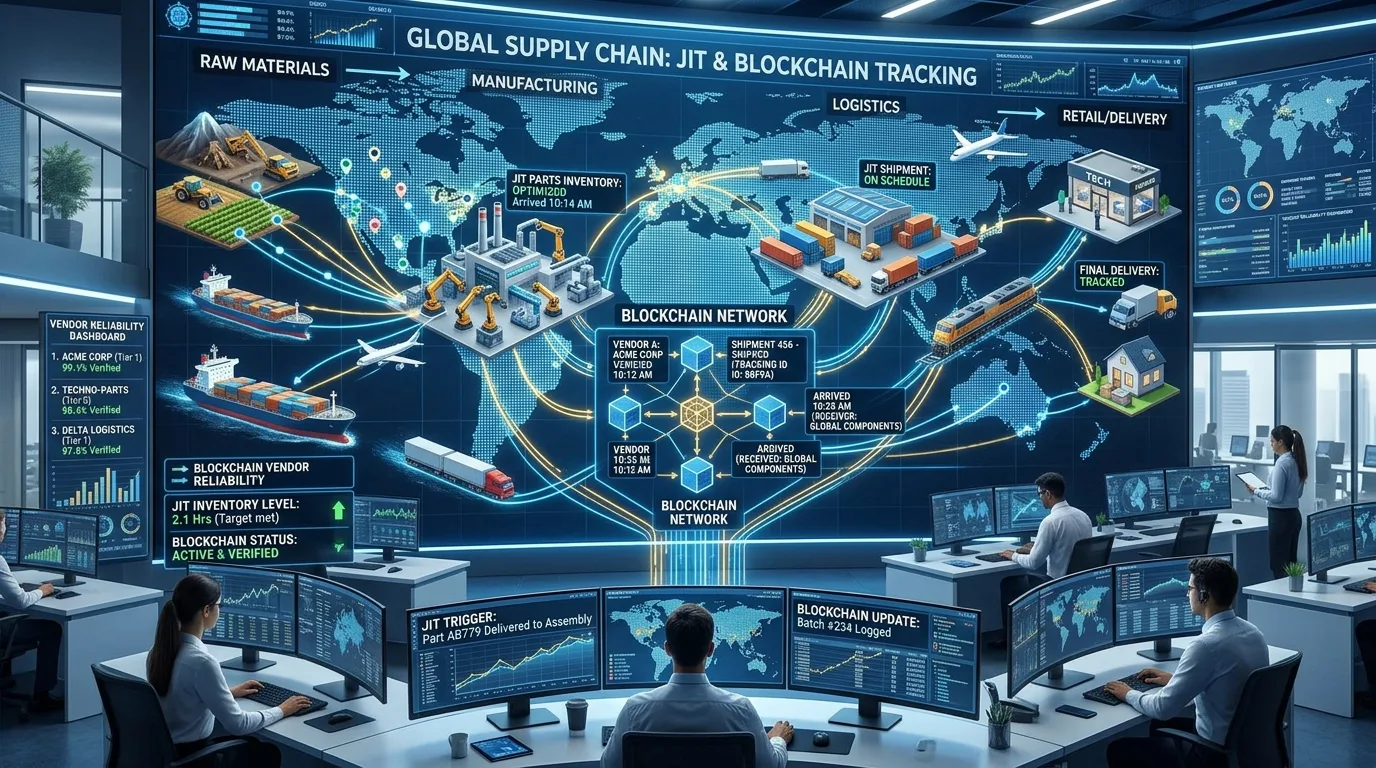
Examples of Successful Implementations
Several companies have successfully implemented blockchain tracking to enhance vendor reliability. For instance:
Companies in various industries are using blockchain to track inventory levels and monitor shipment status.
Some suppliers are incorporating blockchain into their own operations to ensure accurate reporting and prevent counterfeiting.
Governments are launching pilot programs to use blockchain for tracking produce from farm to table.
These examples demonstrate the potential of blockchain tracking to improve vendor reliability and supply chain efficiency.
Best Practices for Implementing Blockchain Tracking
While implementing blockchain tracking may seem daunting, companies can follow these best practices to ensure successful adoption:
• Conduct thorough research and analysis: Understand your supply chain's specific needs and identify areas where blockchain can provide the greatest benefits. • Develop clear policies and procedures: Establish protocols for data collection, encryption, and access control to maintain the integrity of your blockchain system. • Train staff and vendors: Educate employees and suppliers on the use of blockchain tracking and its benefits for improving vendor reliability.
Challenges and Limitations
While blockchain tracking offers many advantages, companies should also be aware of potential challenges and limitations. Some key considerations include:
• Scalability: As more companies adopt blockchain technology, scalability may become an issue.
• Interoperability: Ensuring seamless integration between different blockchain platforms and systems can be complex.
• Regulatory compliance: Companies must comply with relevant regulations and standards when implementing blockchain tracking.
To overcome these challenges, companies should engage in ongoing research and development to improve the performance of blockchain systems and ensure seamless integration with existing infrastructure.
Conclusion
Optimizing just-in-time inventory management requires a reliable vendor network. Blockchain tracking offers a promising solution to the problem of vendor unreliability by providing an immutable and transparent record of transactions and inventory levels. By understanding the benefits, best practices, and challenges associated with blockchain tracking, companies can improve their supply chain efficiency and customer satisfaction.
By adopting blockchain tracking, businesses can create a more transparent and accountable supply chain, reducing the risk of delays, stockouts, and other issues caused by vendor unreliability. As the technology continues to evolve, companies should remain aware of emerging trends and innovations in the field to stay ahead of the competition.
This Article was made with AI assistance and human editing.