

As we spend more time staring at screens, whether it's our smartphones, computers, or televisions, our eyes are exposed to a growing threat to our vision health. Blue light, a type of high-energy visible (HEV) light emitted by digital devices, has been linked to eye strain, headaches, and even long-term damage to our retina. However, there is a simple yet effective way to mitigate the effects of blue light exposure: the 20-20-20 rule.
In this article, we will delve into the world of blue light and its impact on our vision health. We'll explore what the 20-20-20 rule entails, how it can help reduce eye strain, and provide practical tips for incorporating it into your daily routine. By the end of this article, you'll be equipped with the knowledge to protect your vision from the detrimental effects of blue light exposure.
What is Blue Light?
Blue light is a type of electromagnetic radiation with a shorter wavelength than visible light. It's emitted by digital devices such as smartphones, computers, televisions, and even LED bulbs. While it's not a new phenomenon, our increased exposure to blue light has raised concerns about its impact on our vision health.
Studies have shown that prolonged exposure to blue light can cause eye strain, dry eyes, headaches, and even disrupt our sleep patterns. The American Academy of Ophthalmology (AAO) warns that blue light exposure may also contribute to the development of age-related macular degeneration (AMD), a leading cause of vision loss in older adults.
How Does Blue Light Affect Eyesight?
Blue light affects eyesight in several ways:
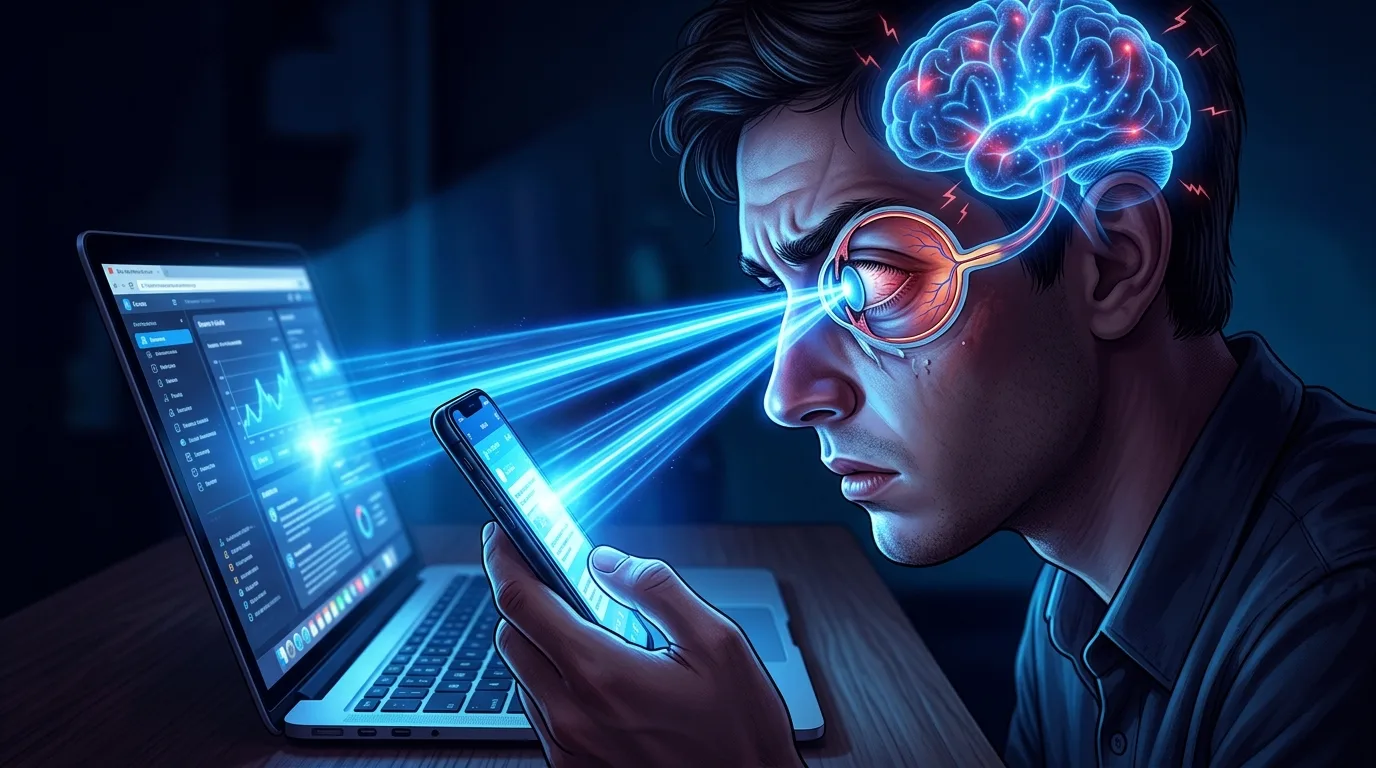
Eye Strain: Prolonged exposure to blue light can cause eye fatigue, dryness, and irritation. This is often accompanied by headaches, blurred vision, and difficulty focusing.
Retinal Damage: Some studies suggest that blue light may contribute to the development of AMD by damaging the retina's macular region. The macula is a sensitive area at the center of the retina responsible for central vision and fine detail.
Sleep Disturbances: Exposure to blue light in the evening can suppress melatonin production, leading to difficulty falling asleep or staying asleep.
What is the 20-20-20 Rule?
The 20-20-20 rule is a simple yet effective way to reduce eye strain caused by blue light exposure. Here's how it works:
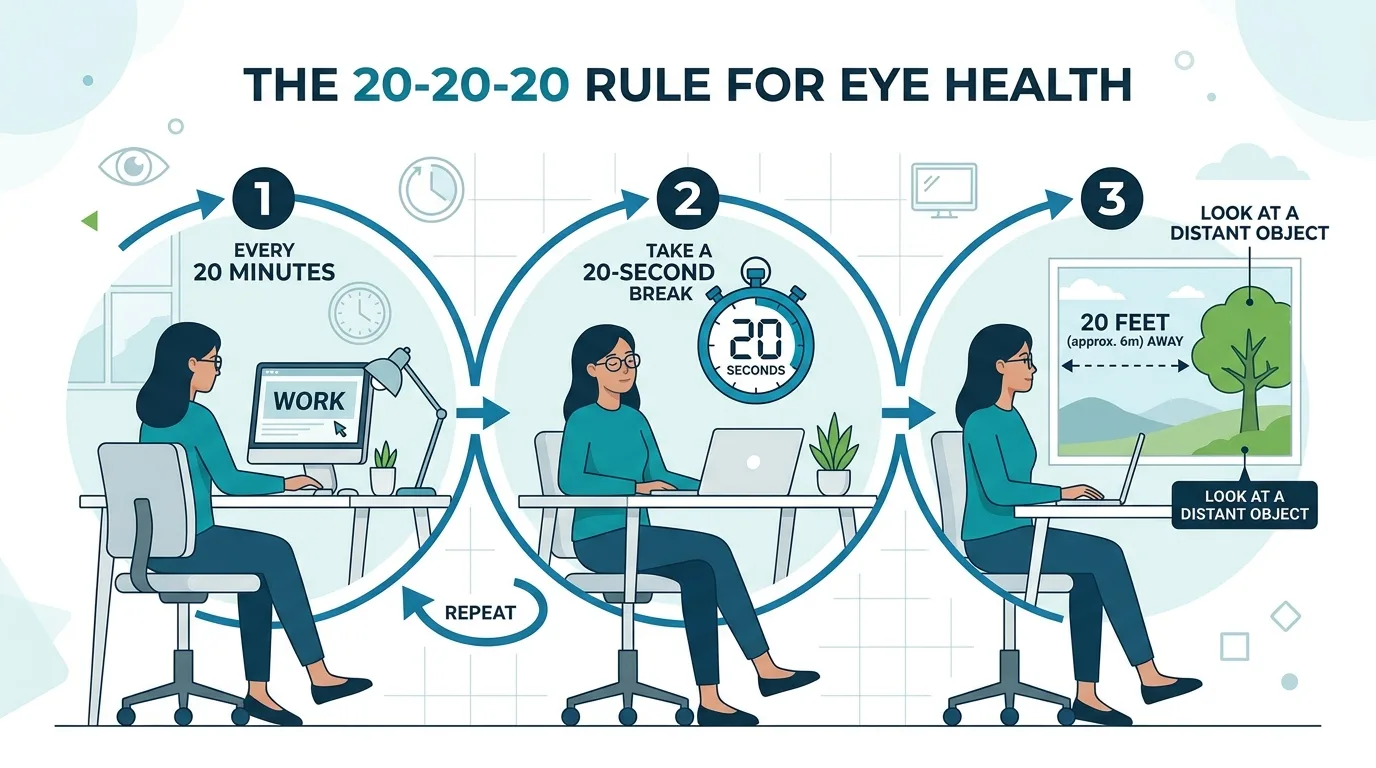
1. Every 20 minutes: Look away from your screen and focus on something 20 feet away for 20 seconds. 2. Blink regularly: Make a conscious effort to blink while working on your computer or phone to keep your eyes moist.
By following the 20-20-20 rule, you can reduce eye strain, improve your focus, and even enhance your productivity. This rule is not just about taking breaks from screen time; it's also about establishing good habits that promote healthy vision.
Benefits of Taking Breaks
Taking regular breaks to follow the 20-20-20 rule has several benefits:
Reduced eye strain: By giving your eyes a break, you can reduce eye fatigue and discomfort.
Improved focus: Regular breaks help improve your concentration and attention span.
Enhanced productivity: By reducing eye strain and improving focus, you'll be more productive and efficient.
Practical Tips for Incorporating the 20-20-20 Rule
Here are some practical tips for incorporating the 20-20-20 rule into your daily routine:
Use blue light filtering glasses or software: Many devices come with built-in blue light filtering capabilities. You can also purchase glasses or apps that filter out blue light.
Position your screen correctly: Place your computer monitor directly in front of you, about arm's length away, and at a 90-degree angle to your line of sight.
Adjust the brightness and contrast: Make sure the room is well-lit, but not too bright. Adjust the brightness and contrast on your device to a comfortable level.
Benefits of the 20-20-20 Rule
The benefits of following the 20-20-20 rule are numerous:
Reduced eye strain: By taking regular breaks from screen time, you can reduce eye fatigue and discomfort.
Improved focus: Regular breaks help improve your concentration and attention span.
Enhanced productivity: By reducing eye strain and improving focus, you'll be more productive and efficient.
Conclusion
Protecting our vision is a top priority in today's digital age. The 20-20-20 rule is a simple yet effective way to reduce blue light exposure and mitigate its effects on our eyesight. By incorporating this rule into your daily routine, you can promote healthy vision and reduce the risk of eye strain and other related problems.
Tips for Establishing Good Habits
Establishing good habits takes time and practice. Here are some tips to help you incorporate the 20-20-20 rule into your daily routine:
Start small: Begin by taking a few breaks each day, and gradually increase the frequency as you get into the habit.
Be consistent: Make sure to follow the 20-20-20 rule at the same time every day, so it becomes a part of your routine.
Monitor your progress: Keep track of how often you take breaks and adjust your schedule accordingly.
By following these tips and incorporating the 20-20-20 rule into your daily routine, you can promote healthy vision and reduce the risk of eye strain and other related problems.
This Article was made with AI assistance and human editing.