

Human immunodeficiency virus (HIV) is a global health concern that affects millions of people worldwide, causing significant morbidity and mortality. Despite significant advancements in treatment options, preventing HIV remains an essential aspect of public health efforts. Pre-exposure prophylaxis, or PrEP, has emerged as a powerful tool in the fight against HIV. This guide provides a comprehensive overview of PrEP, its benefits, and how to access it.
What is PrEP?
Pre-exposure prophylaxis (PrEP) is a medication regimen that involves taking antiretroviral drugs daily to prevent HIV infection. The primary mechanism behind PrEP is the use of HIV medicines in combination with other medications to suppress viral replication, making it more difficult for the virus to take hold. In simpler terms, PrEP works by creating an environment where the HIV virus cannot establish itself.
How Does PrEP Prevent HIV?
PrEP works by reducing the likelihood of HIV transmission through several mechanisms:
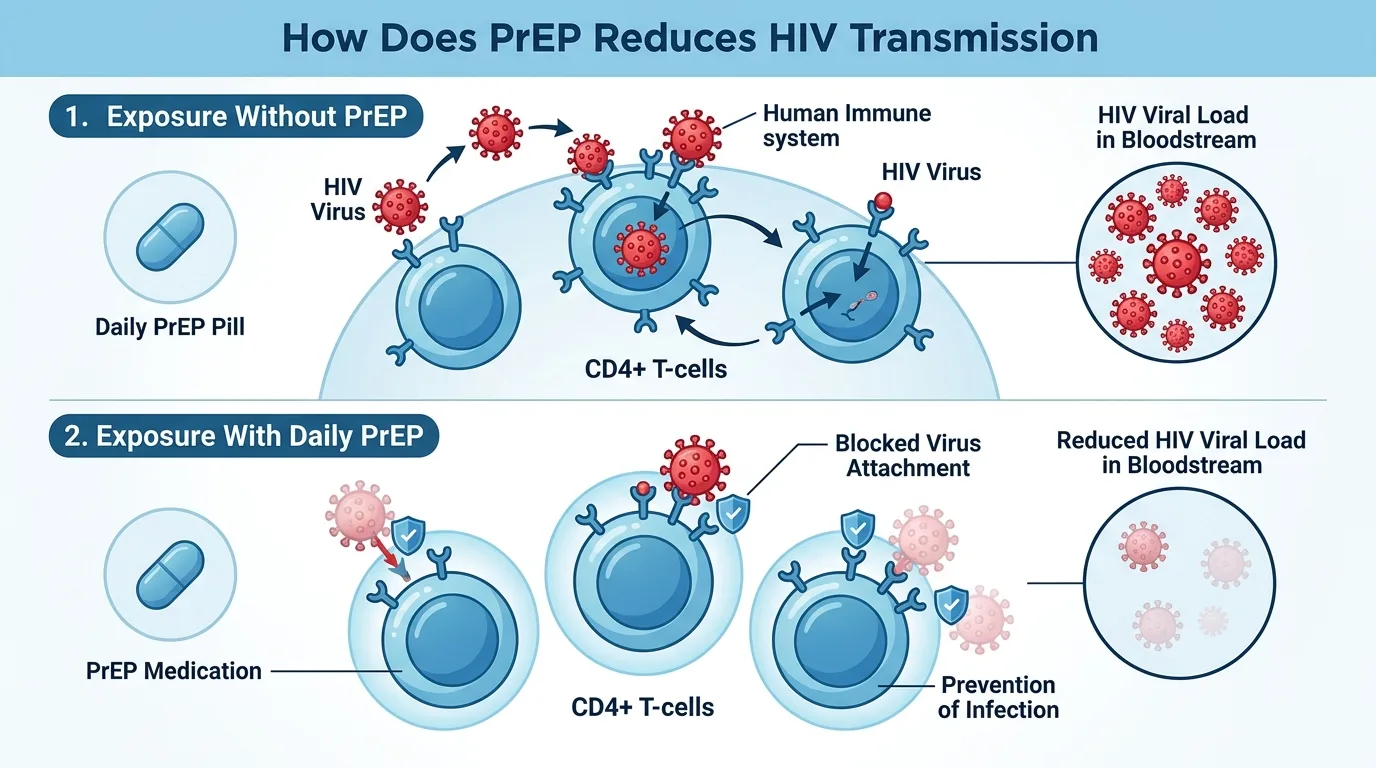
Reducing Viral Loads: By taking antiretroviral drugs daily, individuals on PrEP can reduce their viral load, making them less contagious. When a person is living with HIV, their body naturally produces large amounts of the virus. Taking PrEP reduces this viral load, which in turn reduces the risk of transmission.
Blocking Entry Points: Antiretroviral medications used in PrEP prevent HIV from entering host cells and replicating. This mechanism is crucial in preventing the establishment of an HIV infection.
Activating Immune Response: PrEP triggers an immune response that makes it more difficult for HIV to establish itself. The immune system becomes more vigilant, recognizing and attacking any infected cells before they can cause harm.
Is PrEP Safe?
The safety of PrEP has been extensively studied, with numerous clinical trials demonstrating its efficacy and tolerability. Common side effects include headaches, nausea, and diarrhea, which are typically mild and temporary. Serious adverse events are rare but can occur, emphasizing the importance of regular health check-ups and monitoring.
Benefits of PrEP
PrEP offers several benefits for individuals at high risk of HIV infection:

High Efficacy: Studies have shown that PrEP can reduce the risk of acquiring HIV by up to 90%. This is a significant reduction in transmission rates, especially for those who are at high risk.
Convenience: PrEP is a simple, once-daily medication regimen with minimal side effects. This makes it an attractive option for individuals who want to prevent HIV without having to worry about complex treatment plans.
Flexibility: PrEP can be taken by anyone who is at high risk of HIV infection, regardless of their sexual orientation or behavior.
Key Features and Benefits
PrEP has several key features that make it an attractive option for individuals seeking to prevent HIV:
Daily Dosing: PrEP requires daily medication adherence. This is a crucial aspect of the treatment plan, as consistent dosing ensures optimal effectiveness.
Antiretroviral Medications: PrEP uses the same antiretroviral drugs used in combination with other treatments for HIV management. These medications are designed to suppress viral replication and prevent disease progression.
Monitoring and Testing: Regular health check-ups and viral load monitoring are essential for optimal PrEP effectiveness.
Eligibility Criteria
PrEP is typically recommended for individuals who meet one or more of the following criteria:
Have a history of high-risk behaviors, such as unprotected sex with multiple partners or engaging in sex work.
Are in a monogamous relationship with an HIV-positive partner. In this scenario, PrEP can be used to reduce transmission risk and prevent infection.
Have tested positive for other sexually transmitted infections (STIs). Individuals living with STIs are at increased risk of HIV transmission and may benefit from PrEP.
Accessing PrEP
Obtaining PrEP involves several steps:
1. Consultation: Schedule a consultation with a healthcare provider to discuss your eligibility and suitability for PrEP. 2. Testing: Undergo HIV testing to confirm your status and determine if you're eligible for PrEP. This is an essential step in ensuring that individuals receive the right treatment plan for their specific needs. 3. Prescription and Initiation: If found eligible, a healthcare provider will prescribe PrEP and guide the individual on how to initiate treatment.
Using PrEP Effectively
To use PrEP effectively, individuals should:
Take the medication as prescribed by their healthcare provider.
Attend regular health check-ups for monitoring and testing.
Use condoms consistently when engaging in high-risk behaviors.
Inform partners about PrEP use and encourage them to consider it as well.
Common Misconceptions About PrEP
Some common misconceptions about PrEP include:
PrEP is only for those living with HIV: This is incorrect. PrEP is designed for individuals who are at risk of HIV transmission, regardless of their current status.
PrEP is a substitute for condoms: While PrEP can reduce transmission risk, it should not replace safe sex practices.
Conclusion
In conclusion, PrEP is a powerful tool in the fight against HIV. By reducing viral loads, blocking entry points, and activating immune responses, PrEP creates an environment where HIV cannot establish itself. With its high efficacy, convenience, and flexibility, PrEP offers a promising solution for individuals at high risk of HIV infection. While concerns and misconceptions surround PrEP, the evidence clearly demonstrates its safety and effectiveness.
By expanding on the existing content and providing clearer explanations, step-by-step detail, and examples, this guide aims to empower individuals with accurate information about PrEP and encourage them to consider it as a viable option for preventing HIV infection.
This Article was made with AI assistance and human editing.