

Respectful Participation in Songkran: A Guide to Thai Water Festival Etiquette
Songkran, Thailand's traditional New Year water festival, is a vibrant celebration that attracts millions of visitors each year. As one of the most iconic and immersive festivals in the world, it's essential for both locals and tourists to understand the customs and etiquette surrounding this unique event. In this comprehensive guide, we'll delve into the intricacies of Songkran etiquette, ensuring you participate respectfully and make the most of your experience.
What is Songkran?
Songkran, which translates to "the beginning of the new season," marks the traditional Thai New Year. It's a time for renewal, reflection, and celebration with family and friends. The festival typically takes place from April 13th to 15th and is characterized by water-based festivities, temple visits, and traditional ceremonies.
The concept of Songkran is deeply rooted in Thai culture and has its origins in ancient Hindu and Buddhist traditions. In fact, the word "Songkran" comes from the Sanskrit word "sankranti," meaning "change" or "transition." This change marks not only a new year but also a fresh beginning for individuals and communities.
Etiquette During Songkran: A Beginner's Guide
Participating in Songkran can be overwhelming for first-time visitors, but by following these simple guidelines, you'll be well on your way to a respectful and enjoyable experience:
Dress Modestly
When visiting temples or participating in ceremonies, it's essential to dress modestly. This means covering your shoulders and knees as a sign of respect. Loose-fitting clothing is recommended to avoid water splashing.
For example, consider wearing lightweight pants or a long-sleeved shirt when walking through crowded streets or attending temple ceremonies.
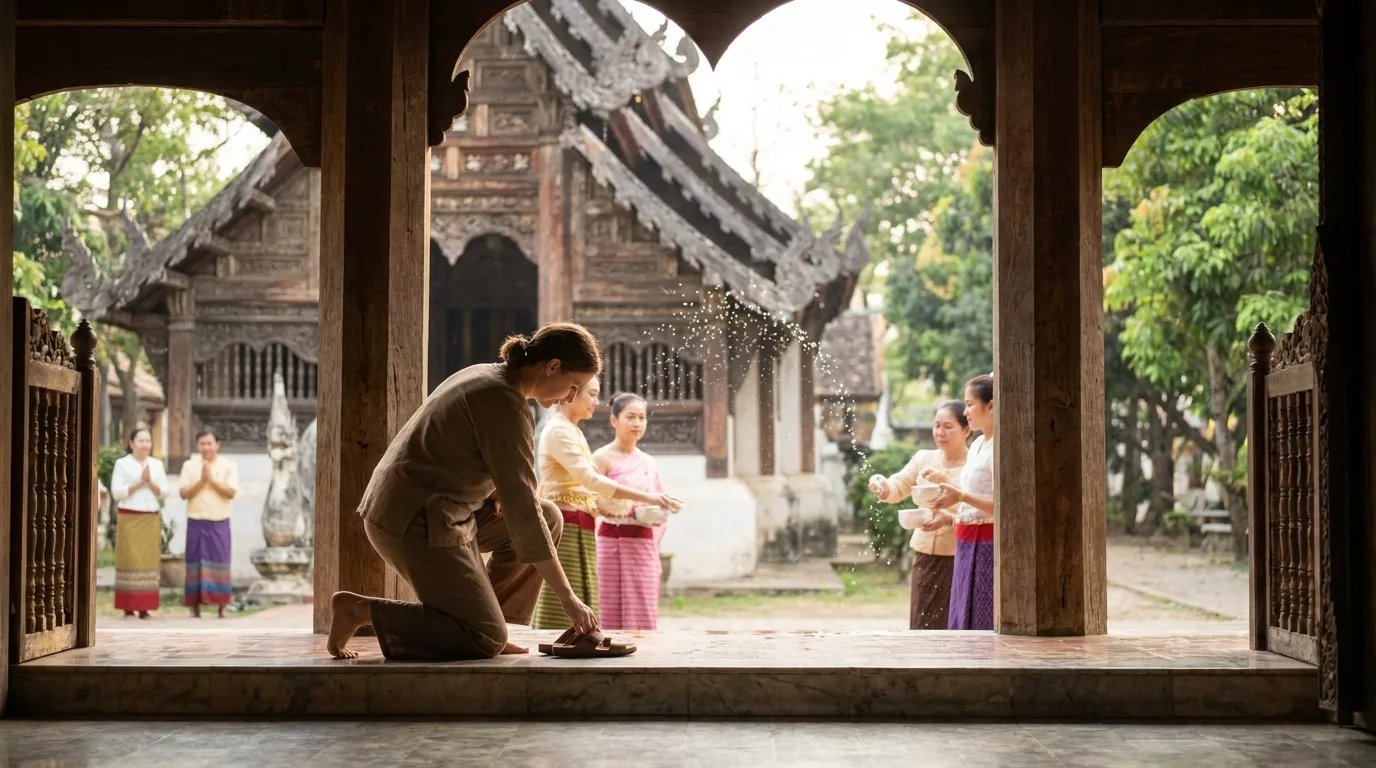
Remove Your Shoes
When entering temples or homes, it's customary to remove your shoes as a sign of respect. This tradition dates back to ancient times, when the floor was made of stone and removing shoes helped prevent damage.
Take note that some temples may have designated areas where you can leave your shoes. Be sure to observe these signs and follow local customs.
Respect the Water
Water fights are an integral part of Songkran, but be mindful of those around you and avoid spraying elderly people, monks, or women who are pregnant or menstruating.
In Thai culture, water is a symbol of purification and renewal. When interacting with others during Songkran, remember that these individuals may not want to participate in water battles. Be respectful of their wishes and take cues from the local crowd.
Join In with Caution
When participating in water battles, be aware of your surroundings and avoid splashing others. It's also essential to respect the wishes of those who may not want to participate.
As you join in on the fun, remember that some areas may have restricted access or specific rules for water fights. Follow local guidelines and take note of any designated zones or restrictions.
Traditions and Customs
Understanding the cultural significance of Songkran is crucial for respectful participation:
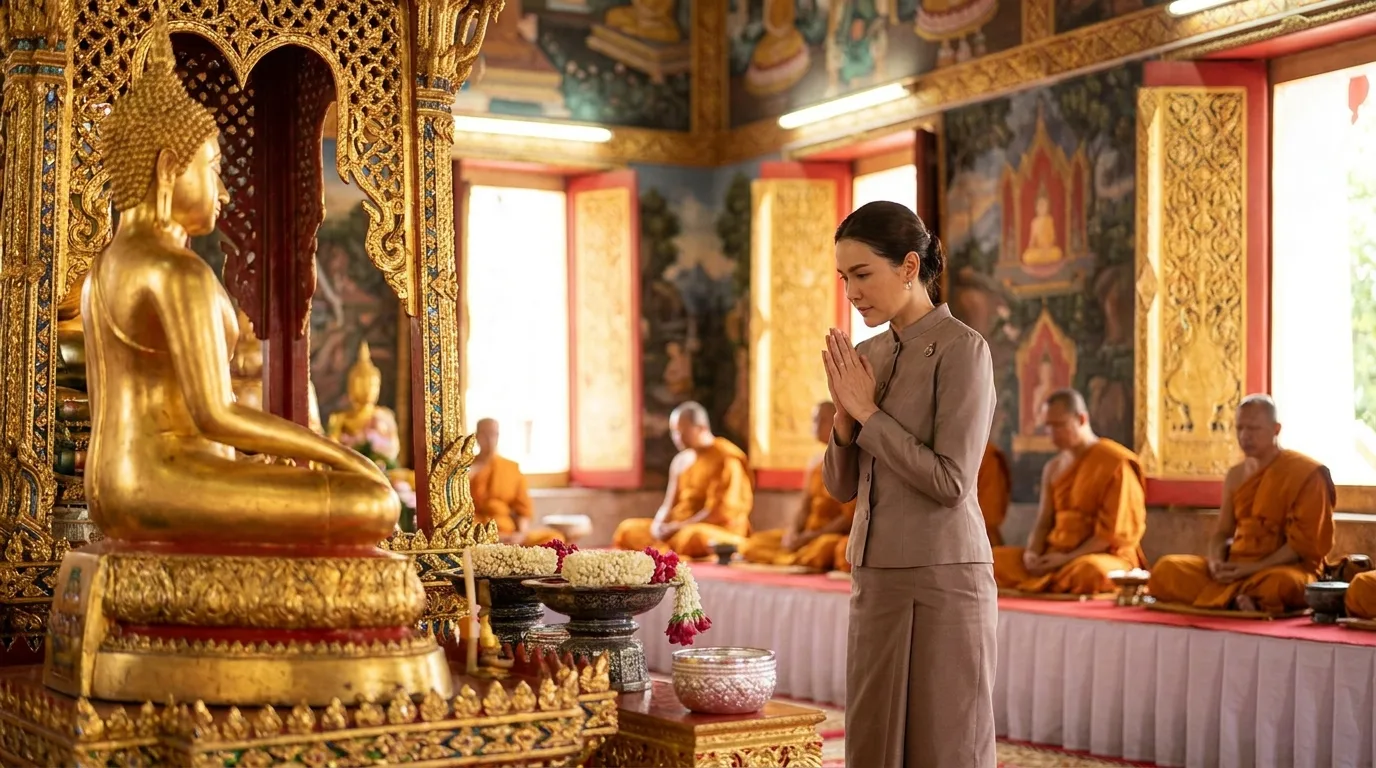
Visiting Temples
Pay homage to monks and participate in traditional ceremonies at local temples. This is an excellent opportunity to learn about Thai culture and connect with locals.
When visiting temples, be sure to follow these steps:
1. Remove your shoes before entering the temple grounds. 2. Dress modestly, covering your shoulders and knees. 3. Show respect by bowing or making a wai gesture (more on this later). 4. Participate in ceremonies or offer prayers as a sign of gratitude.
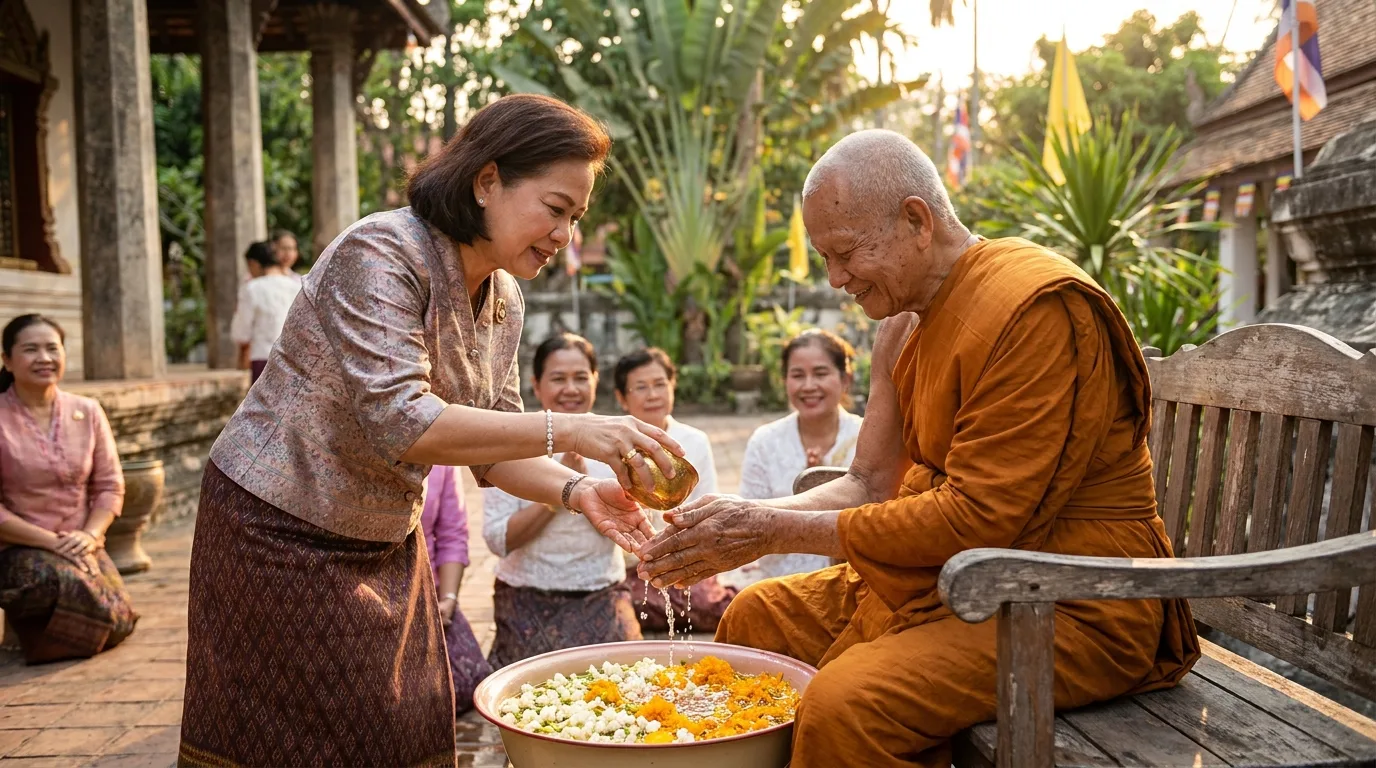
Water Pouring
As a symbol of purification, gently pour water over the hands or shoulders of elders, monks, or family members as a sign of respect.
Water pouring is an ancient tradition that dates back to Hindu and Buddhist customs. When participating in this activity, remember to be gentle and mindful of the individuals receiving the water.
#### Family Reunions
Songkran is an excellent opportunity to reconnect with loved ones. Participate in family gatherings and traditional games.
This is a great time to bond with your family and friends while experiencing Thai culture firsthand.
Water Safety Tips
While Songkran's water-based festivities can be exhilarating, it's essential to prioritize your safety:
Stay Hydrated
Drink plenty of water throughout the day to avoid dehydration. The heat and physical activity during Songkran can lead to exhaustion, so stay vigilant about your hydration levels.
Take breaks in shaded areas or under umbrellas to escape the direct sun.
Be Aware of Slippery Surfaces
Watch your step when walking on wet roads or temple grounds. This is especially important during water fights or after heavy rainfall.
Be cautious and take small steps to avoid slipping or falling.
Avoid Electrical Hazards
Be cautious around flooded areas and avoid using electrical appliances near water. This includes outlets, lights, or other devices that may be submerged in water.
Take note of warning signs or follow local guidelines for safe usage during Songkran.
Cultural Etiquette
Understanding Thai cultural norms will help you navigate Songkran with confidence:
Bowing and Wai
Show respect by bowing your head and placing your palms together in a prayer-like gesture. This is known as the wai, a traditional Thai greeting that conveys respect and gratitude.
When interacting with locals or participating in ceremonies, use this gesture to show appreciation for their culture and traditions.
Gift-Giving
Bring traditional gifts, such as incense sticks or flowers, to offer to monks or family members. This is an excellent opportunity to connect with others and participate in local customs.
Take note of specific guidelines for gift-giving during Songkran. Some temples may have restrictions on what can be offered, so follow local rules and traditions.
Conclusion
Songkran is a vibrant festival that embodies Thai culture and values. By following these simple guidelines and participating in local customs, you'll be well on your way to a respectful and enjoyable experience.
Remember to stay hydrated, respect the water, and take note of specific restrictions or guidelines for each area or activity.
By immersing yourself in this ancient tradition, you'll not only learn about Thai culture but also forge unforgettable connections with locals.
This Article was made with AI assistance and human editing.