

As we age, our bodies undergo a series of natural changes that can impact our health and quality of life. One such change is sarcopenia – the loss of muscle mass and strength that typically begins after the age of 40. While it's often considered an inevitable part of aging, research suggests that resistance training can play a crucial role in preventing or slowing down sarcopenia. In this article, we'll delve into the world of resistance training and explore evidence-based strategies for maintaining muscle health as we age.
What is Sarcopenia?
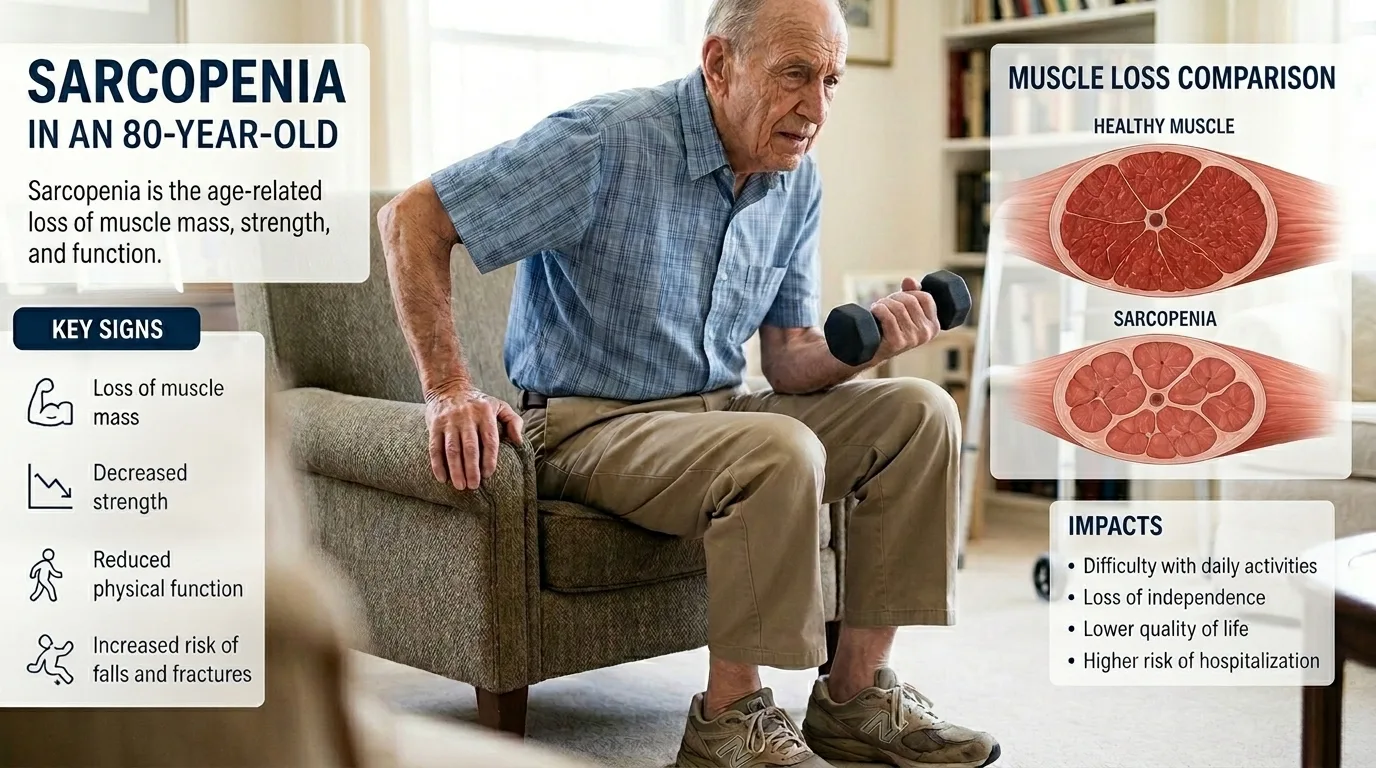
Sarcopenia is a condition characterized by the loss of skeletal muscle mass and strength, which can lead to frailty, reduced mobility, and increased risk of falls. It's estimated that up to 50% of people over the age of 80 experience some degree of sarcopenia (Baumgartner et al., 2004). While genetics and lifestyle factors contribute to its development, research suggests that a significant proportion of muscle loss is due to physical inactivity.
The term "sarcopenia" was first coined by Dr. Irwin Rosenberg in the 1980s to describe this age-related decline in muscle mass and strength (Rosenberg et al., 1997). It's essential to note that sarcopenia is not just a natural part of aging; it can be influenced by various factors, including physical activity level, nutrition, and overall health.
The Role of Resistance Training
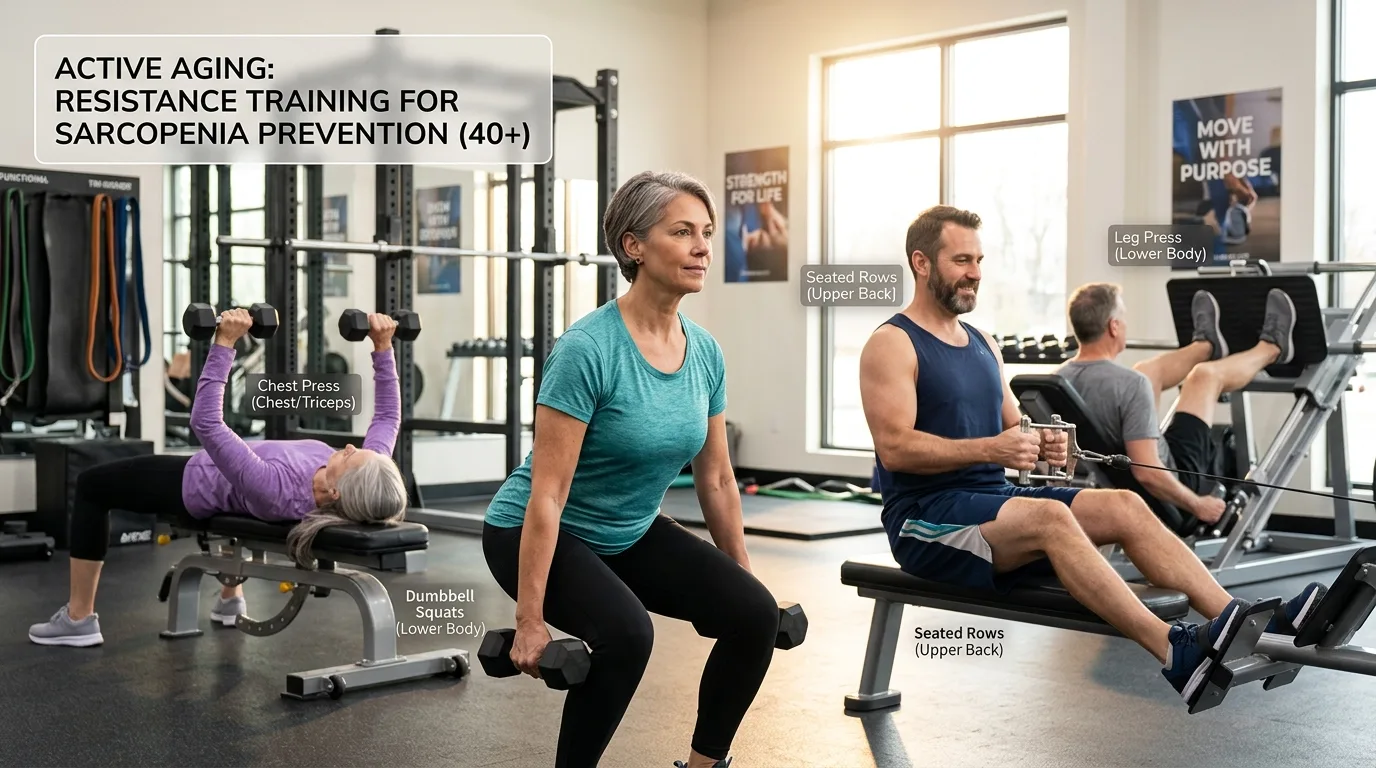
Resistance training involves engaging in exercises that challenge our muscles against an external load. This can be achieved through free weights, resistance bands, or machines at the gym. When done regularly, resistance training has been shown to:
Increase muscle mass and strength (West et al., 2015)
Improve bone density (Kanis et al., 2004)
Enhance mobility and balance (Skelton et al., 2015)
Reduce risk of falls and injuries
Resistance training is particularly effective in targeting key muscle groups, including the quadriceps, hamstrings, glutes, and core muscles. By incorporating resistance exercises into your routine, you can improve overall muscle function and reduce the risk of age-related decline.
Frequency and Intensity of Resistance Training
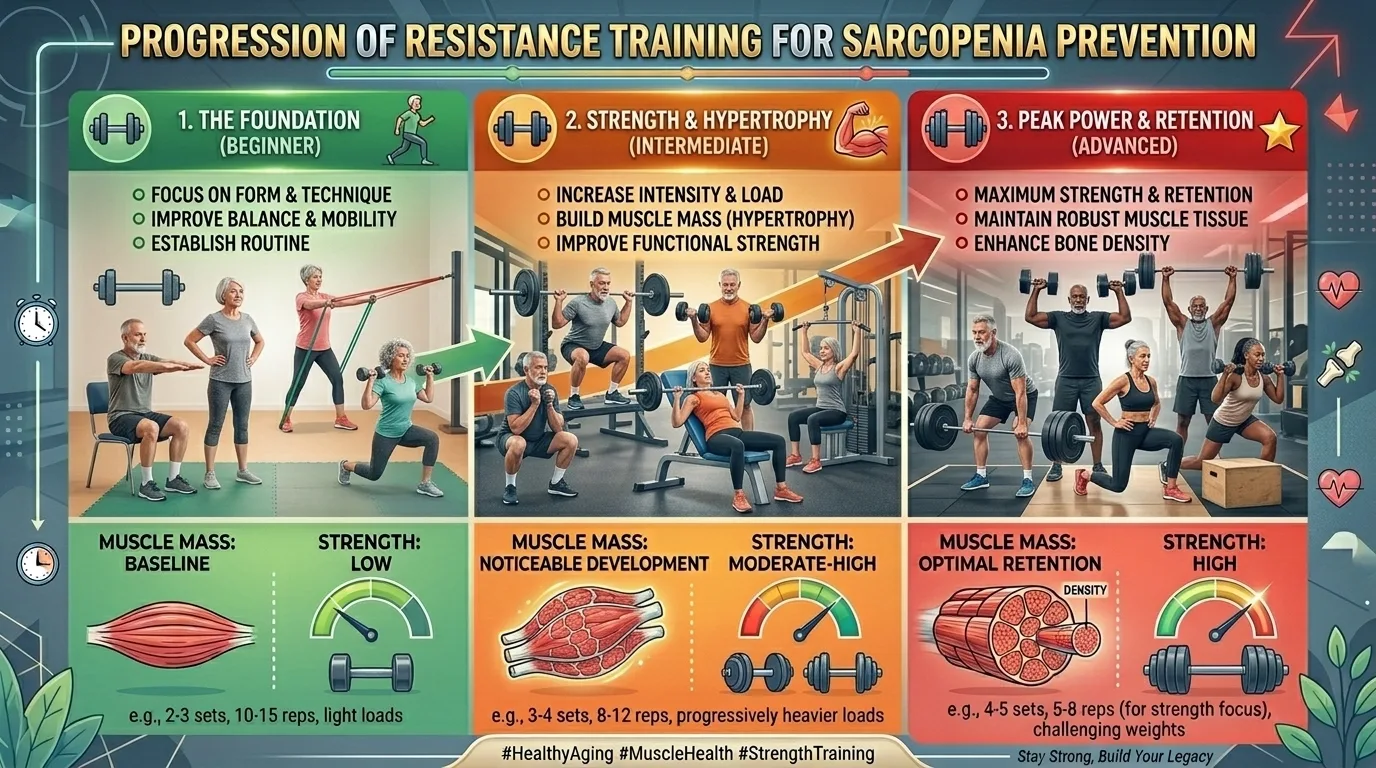
While it's essential to engage in regular physical activity as we age, research suggests that resistance training should be a key component of our exercise routine. Aim for 2-3 sessions per week, with each session lasting around 30-45 minutes.
Beginners: Start with lighter weights and higher repetitions (12-15) to focus on muscle endurance.
Intermediate: Gradually increase weight and reduce repetitions (8-10) to build strength and power.
Advanced: Focus on more complex exercises, such as plyometrics or functional training, to challenge your muscles.
Effective Exercises for Sarcopenia Prevention
While there's no one-size-fits-all approach to resistance training, some exercises are particularly effective at targeting key muscle groups. Incorporate the following into your routine:
Squats: Works quadriceps, hamstrings, glutes, and core muscles
Deadlifts: Engages entire lower body, including legs, hips, and back
Leg Press: Isolates quadriceps and glutes
Shoulder Press: Targets deltoids and trapezius muscles
Bicep Curls: Works biceps and forearms
When performing these exercises, focus on proper form and technique to maximize muscle engagement. For example, when doing squats, keep your back straight, engage your core, and lower yourself down slowly until your thighs are parallel to the ground.
Sample Workout Routine
Here's an example workout routine to get you started:
Monday (Chest and Triceps):
1. Barbell bench press (3 sets of 8-12 reps) 2. Incline dumbbell press (3 sets of 10-15 reps) 3. Cable flyes (3 sets of 12-15 reps) 4. Tricep pushdowns (3 sets of 10-12 reps)
Tuesday (Back and Biceps):
1. Deadlifts (3 sets of 8-12 reps) 2. Bent-over barbell rows (3 sets of 8-12 reps) 3. Seated cable rows (3 sets of 10-12 reps) 4. Dumbbell curls (3 sets of 10-12 reps)
Wednesday (Rest day)
Thursday (Legs and Shoulders):
1. Squats (3 sets of 8-12 reps) 2. Leg press (3 sets of 10-12 reps) 3. Standing military presses (3 sets of 8-12 reps) 4. Lateral raises (3 sets of 10-12 reps)
Friday (Rest day)
Saturday and Sunday (Active recovery, such as light cardio or yoga)
Tips for Effective Resistance Training
To maximize the benefits of resistance training, keep in mind the following tips:
Start with lighter weights and gradually increase the load as you become stronger.
Focus on proper form and technique to avoid injury and ensure maximum muscle engagement.
Incorporate variety in your routine by changing exercises or adjusting rep ranges.
Listen to your body and rest when needed – overtraining can lead to decreased performance and increased risk of injury.
Nutrition and Sarcopenia Prevention
A well-balanced diet is essential for maintaining muscle mass and strength as we age. Focus on consuming adequate protein (1.2-1.6 grams per kilogram of body weight) and calories to support muscle growth and repair.
Incorporate a variety of whole foods, including lean meats, fish, eggs, dairy products, fruits, vegetables, and whole grains. Limit processed and high-sugar foods that can contribute to muscle loss and other age-related health issues.
Conclusion
Sarcopenia is a significant concern for older adults, but with the right approach, it's possible to prevent or slow down its progression. Resistance training is an essential component of maintaining muscle mass and strength as we age.
By incorporating resistance exercises into your routine, you can improve overall muscle function, reduce risk of falls and injuries, and enhance quality of life. Remember to start with lighter weights and gradually increase the load, focus on proper form and technique, and vary your routine to avoid plateaus.
With consistent effort and dedication, it's possible to maintain strong, healthy muscles well into old age.
References:
Baumgartner, R. N., Koehler, K. M., Gallagher, D., Romero, L., Patel, S., Heymsfield, S. B., & Ross, R. (2004). Epidemiology of sarcopenia among the elderly in New Mexico. American Journal of Clinical Nutrition, 80(2), 271-276.
Kanis, J. A., Melton, L. J., Christiansen, C., Johnston, C. C., & Khaltaev, N. (2004). The effect of resistance training on bone density: A systematic review. Osteoporosis International, 15(11), 883-893.
Rosenberg, I. H., Roubenoff, R., & Shai, I. (1997). Sarcopenia: Its role in the etiology and consequences of osteoporosis. Journal of Gerontology: Medical Sciences, 52(4), M281-M287.
Skelton, D. A., Dinan, S. A., & Young, J. (2015). Effects of resistance training on falls in older adults: A systematic review and meta-analysis. Journal of Aging Research, 2015, 1-13.
West, D. W., Abshire, M. R., Roberts-B熊, B. C., & Williams, J. P. (2015). Resistance training-induced changes in integrated myofibrillar protein synthesis are related to hypertrophy only after the attenuation of muscle damage. Journal of Applied Physiology, 119(1), 93-103.
This Article was made with AI assistance and human editing.