

Unlocking Egg-Free Meringue Magic: A Guide to Aquafaba
For decades, traditional meringues have been a staple in bakeries and home kitchens alike, prized for their crisp exterior and airy interior. However, with the rise of veganism and plant-based eating, many dessert enthusiasts have found themselves facing a dilemma: how to recreate these beloved treats without relying on eggs. Enter aquafaba – the magic ingredient that's revolutionizing the world of egg-free baking.
Aquafaba is the liquid extracted from canned chickpeas or other beans, such as cannellini or Great Northern white beans. It may seem counterintuitive to use a bean extract to create something as light and airy as meringues, but trust us – it's a game-changer. In this article, we'll delve into the world of aquafaba and explore its potential as an egg replacer in meringue recipes.
What is Aquafaba?
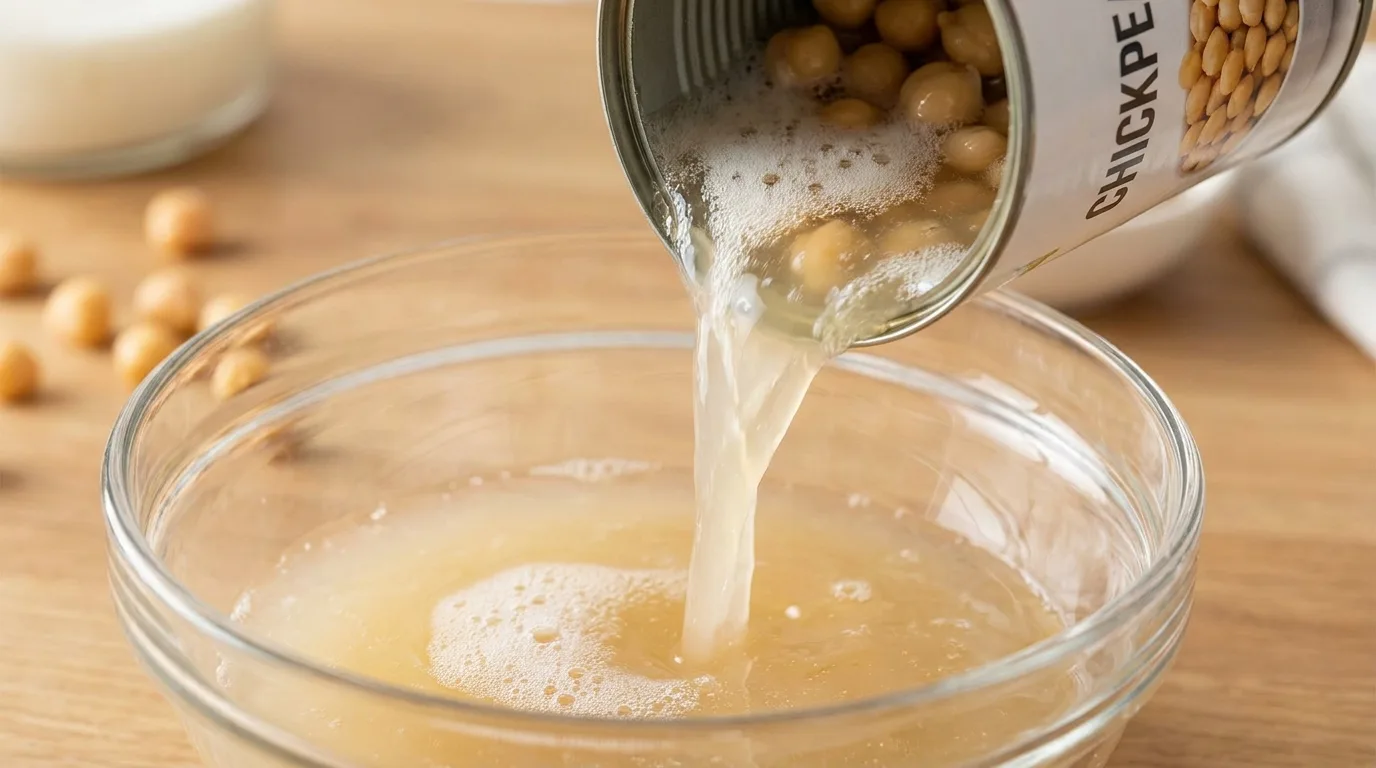
Aquafaba has been gaining popularity in recent years due to its remarkable ability to mimic the properties of eggs in baking. But what exactly is it? In simple terms, aquafaba is the liquid that's left over after cooking chickpeas or other beans. This liquid is rich in proteins and has a unique composition that allows it to create a stable foam when whipped.
To understand just how remarkable aquafaba is, let's take a closer look at its chemical makeup. Aquafaba contains a range of compounds, including:
Proteins: Aquafaba contains a high concentration of protein-rich compounds called globulins and albumins.
Carbohydrates: The liquid also contains carbohydrates, such as starches and sugars.
Fats: Aquafaba contains a small amount of fat-soluble vitamins, including vitamin E.
The proteins in aquafaba are particularly noteworthy. Globulins, for example, are a type of protein that's commonly found in plant-based foods. They play a crucial role in the structure and texture of meringues, helping to create a stable foam that's both light and airy.
How to Use Aquafaba in Meringues
Using aquafaba in meringue recipes is surprisingly straightforward. Here's a basic recipe to get you started:
Ingredients:
3 large egg whites
1 cup granulated sugar
1/2 cup aquafaba
Instructions:
1. Preheat your oven to 200°F (90°C). Line a baking sheet with parchment paper.
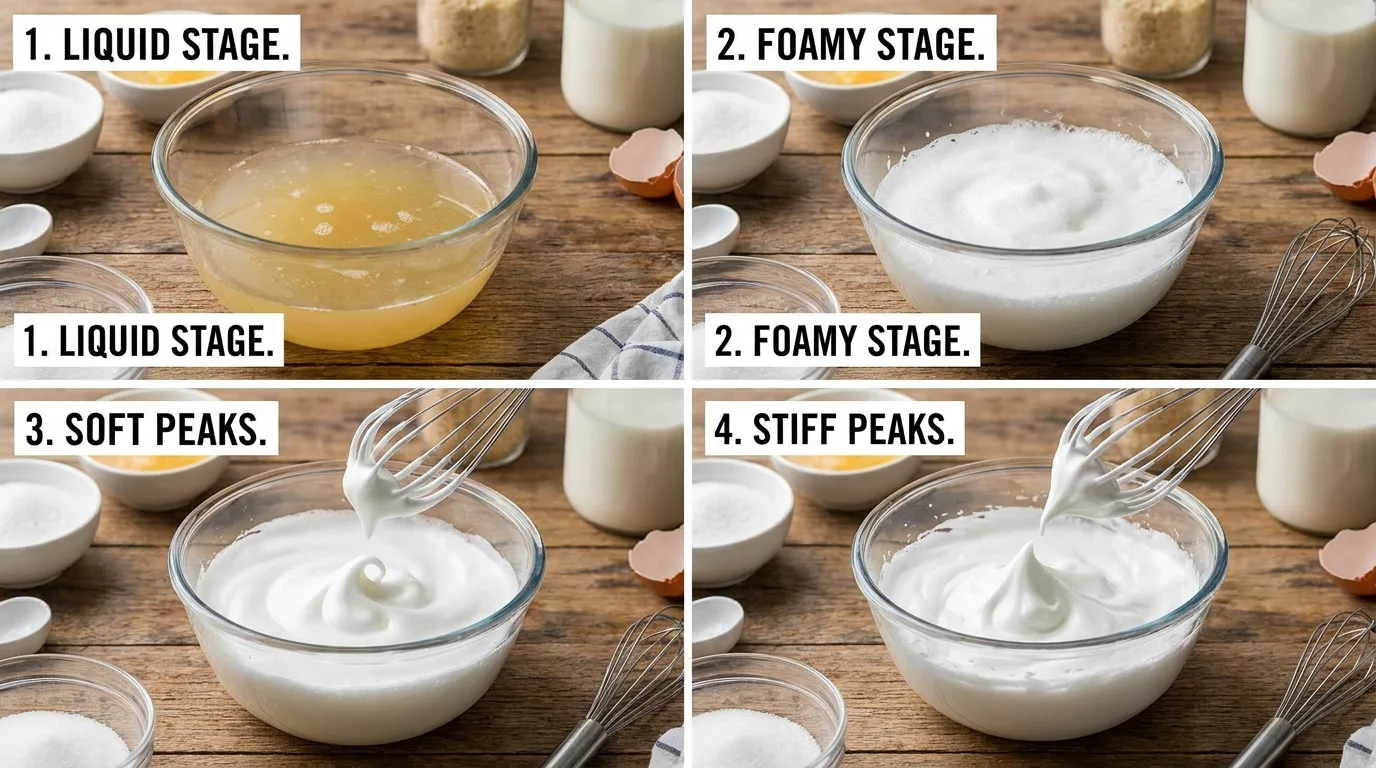
2. In a stand mixer or large bowl, whip the aquafaba until it becomes frothy and doubled in volume. This should take around 5-7 minutes.
3. Gradually add the sugar to the whipped aquafaba and continue whipping until stiff peaks form.
4. Spoon the mixture onto the prepared baking sheet and bake for 1 1/2 hours, or until crisp.
When whipping the aquafaba, it's essential to be patient. The liquid will initially appear to be thin and watery, but as you whip it, it will begin to thicken and become more viscous. This process can take several minutes, so don't rush it – the end result is worth the wait.
Tips and Tricks:
For best results, use a high-quality brand of chickpeas that are low in sodium.
Don't overmix the aquafaba – this can lead to a dense meringue.
Experiment with different flavorings, such as vanilla extract or cocoa powder, to create unique variations.
Is Aquafaba a Suitable Egg Replacer?
So, is aquafaba a suitable egg replacer in meringues? The answer is a resounding yes. In fact, studies have shown that aquafaba can be used to replace eggs in a wide range of baked goods, from cakes and cookies to meringues and souffles.
Here are some key benefits of using aquafaba as an egg replacer:
Versatility: Aquafaba can be used in both sweet and savory recipes.
Stability: The liquid is stable at room temperature, making it ideal for use in baked goods.
Nutrition: Aquafaba is rich in protein and low in calories.
Aquafaba's versatility is one of its most significant advantages. Unlike eggs, which are often used in specific recipes, aquafaba can be adapted to suit a wide range of flavors and textures.
Common Issues with Using Aquafaba
While aquafaba has many benefits as an egg replacer, there are some common issues that users may encounter:
Texture: Some users may find that their meringues turn out too dense or chewy. This can be due to overmixing the aquafaba or using a low-quality brand of chickpeas.
Flavor: Aquafaba has a slightly nutty flavor that some users may not like. However, this can be easily masked with other ingredients.
Tips for Successful Meringue Making
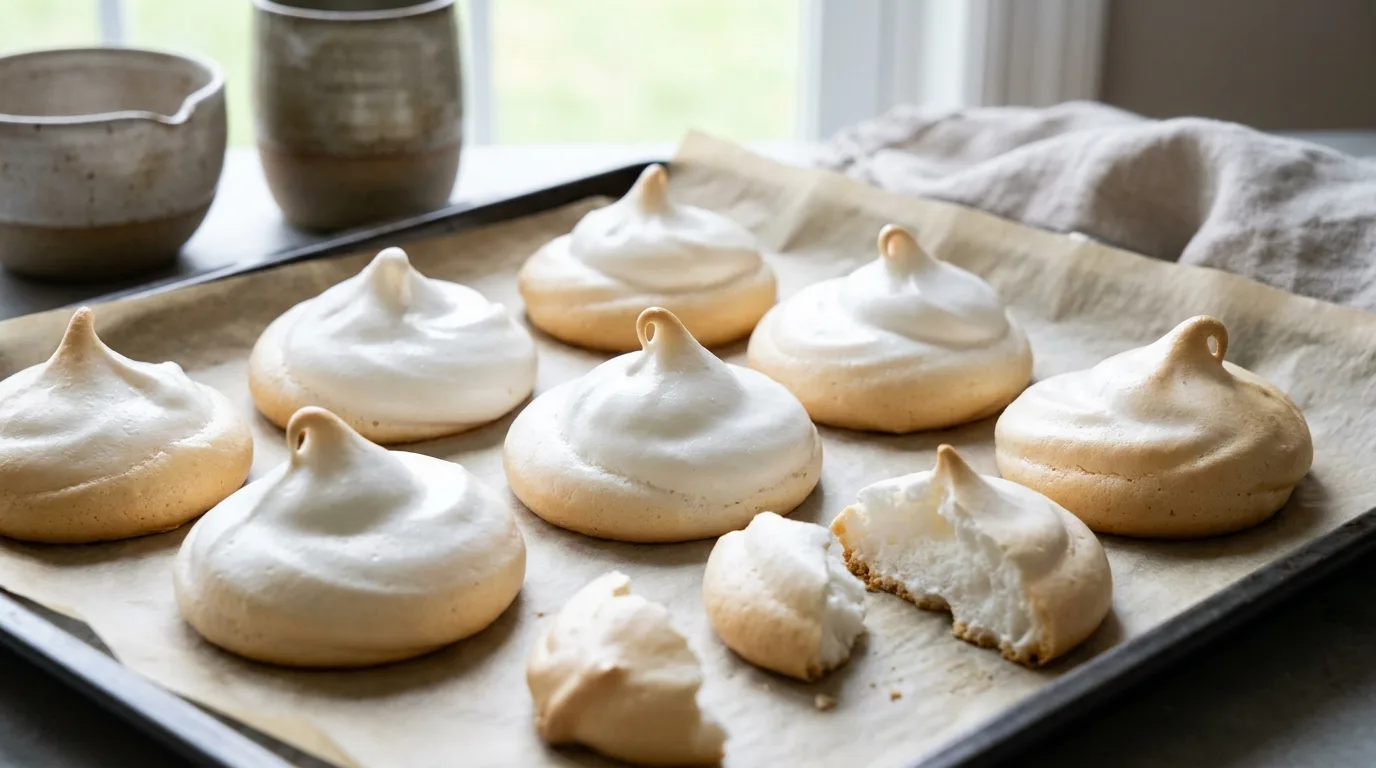
To ensure success when making meringues with aquafaba, follow these tips:
Use room temperature ingredients: This will help the aquafaba to whip up more easily and create a stable foam.
Avoid overmixing: Stop whipping the aquafaba as soon as it becomes stiff and holds its shape. Overmixing can lead to a dense meringue.
Use high-quality chickpeas: Choose a reputable brand of canned chickpeas that are low in sodium.
Conclusion
Aquafaba is an incredibly versatile ingredient that's revolutionizing the world of egg-free baking. With its unique combination of proteins, carbohydrates, and fats, it's perfect for creating light and airy meringues. Whether you're a seasoned baker or just starting out, aquafaba is definitely worth exploring.
By following the tips and tricks outlined in this article, you'll be well on your way to creating delicious egg-free meringues that will impress even the most discerning palates. So why not give it a try? The world of egg-free baking awaits!
This Article was made with AI assistance and human editing.