

Achieving Sourdough Crumb Perfection: A Guide to Hydration Adjustments
For home bakers, there's no greater joy than biting into a perfectly baked sourdough loaf, with its chewy crumb and tangy flavor. However, achieving this perfect balance can be elusive, especially when it comes to the delicate art of hydration adjustments. In this comprehensive guide, we'll delve into the world of sourdough bread making, exploring common mistakes that can lead to an imperfect crumb, and providing actionable tips on how to adjust hydration levels for optimal results.
Understanding Sourdough Crumb
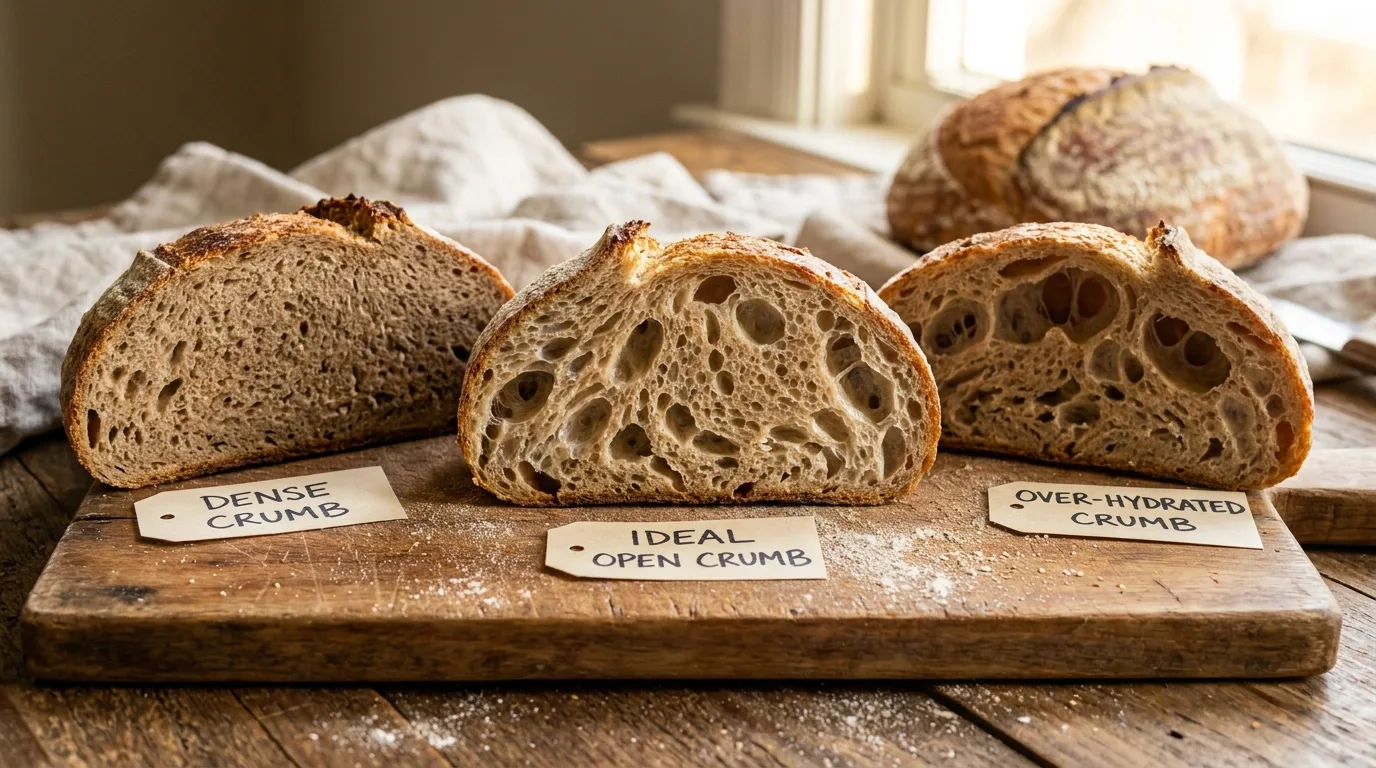
Before we dive into the nitty-gritty of hydration adjustments, let's first understand what makes a perfect sourdough crumb. A well-crafted crumb should be:
• Tender: Soft and yielding, with a subtle snap when broken
• Even: Consistent in texture and color throughout the loaf
• Fragrant: Aromas of sourdough's natural yeast activity wafting through each bite
However, achieving this perfect balance can be tricky. Common mistakes include:
• Overmixing: Developing too much gluten, leading to a dense, tough crumb
• Incorrect hydration: Not enough moisture can result in a dry, crumbly loaf; too much can cause it to collapse
• Insufficient proofing: Not allowing the dough sufficient time to develop and relax its gluten
When evaluating the tenderness of your sourdough crumb, consider the following:
A tender crumb should have a delicate texture that's neither too soft nor too firm.
When broken, the crumb should snap rather than tear.
The aroma of sourdough is often described as tangy and slightly sweet.
To further illustrate this concept, imagine biting into a slice of bread. If it's too dense or hard, it may indicate overmixing or underhydration. Conversely, if it's too soft or crumbly, it could suggest the opposite issue. By paying attention to these subtleties, you'll develop a better sense of what makes a perfect sourdough crumb.
The Importance of Hydration
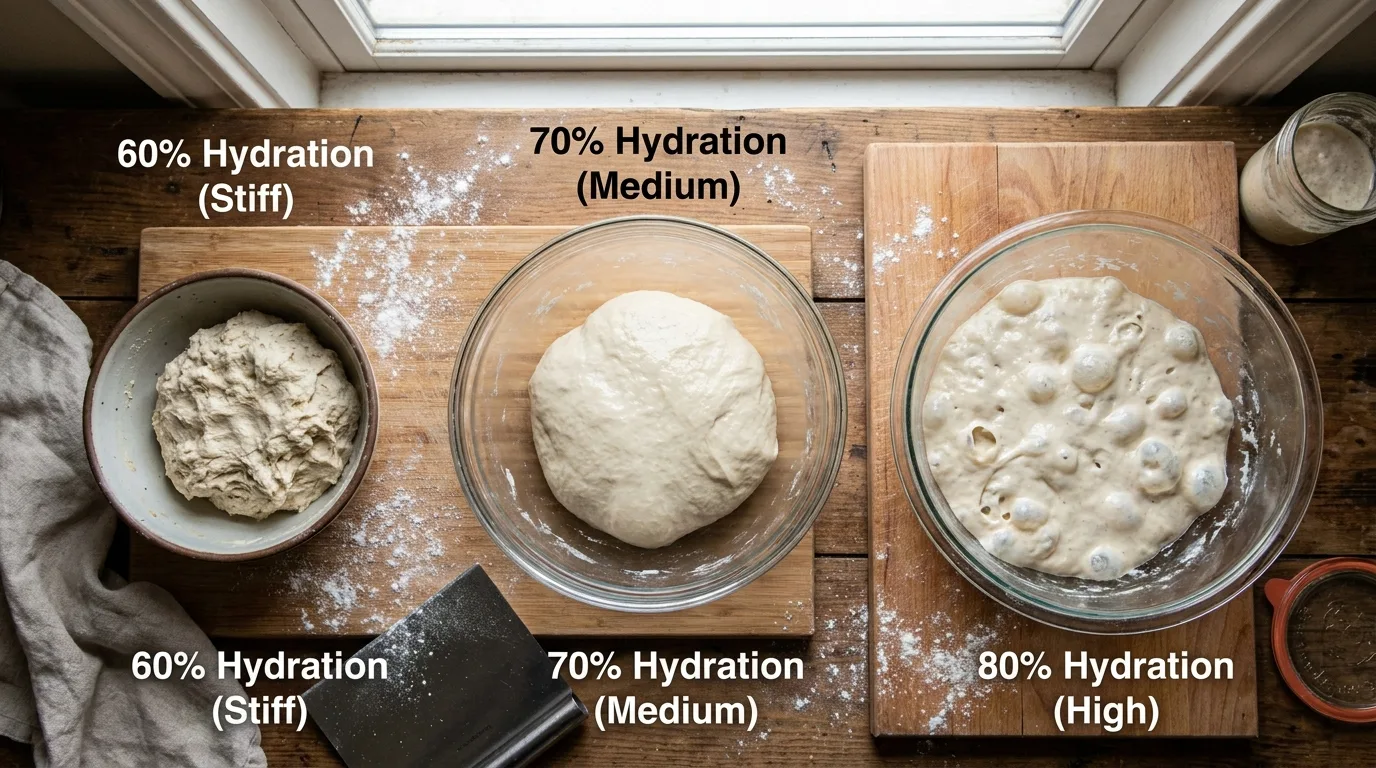
Hydration is the ratio of water to flour in your dough. It's a critical factor in determining the final texture and structure of your sourdough loaf. With too little hydration, the dough will be dry and crumbly; with too much, it may collapse or become soggy.
To understand this concept better, consider the role of water in bread making. Water contributes to the development of gluten, which is essential for creating a tender yet chewy crumb. However, excessive water can lead to an overabundance of moisture, causing the dough to become too soft and prone to collapse.
The hydration level also affects yeast activity. Yeast feeds on sugars present in the dough, producing carbon dioxide gas as a byproduct. This process is responsible for the bread's rise. When the hydration level is too low, yeast activity may be impaired, resulting in a dense or flat loaf.
To achieve optimal results, you need to strike a balance between hydration and flour strength. Here are some general guidelines:
• For a classic sourdough recipe, aim for a hydration level of around 65-70% (water: flour ratio). This will provide the best possible balance between moisture and gluten development.
• If using a stronger flour, such as bread flour or all-purpose flour with high protein content, you may need to adjust the hydration level downward (around 55-60%). Conversely, if using a weaker flour, you may need to adjust it upward (around 75-80%).
• Monitor temperature and humidity levels in your environment, as these can affect yeast activity and ultimately impact the final texture of your sourdough loaf.
For instance, if you're baking in a hot and dry climate, you may need to increase the hydration level slightly to compensate for the environmental conditions. Conversely, if you're baking in a cool and humid environment, you may be able to reduce the hydration level without compromising the bread's texture.
Tips for Achieving Better Crumb
Achieving perfect crumb is a delicate balance between hydration, flour strength, and environmental conditions. While it's impossible to achieve perfect crumb with precision, you can improve your chances by following these tips:
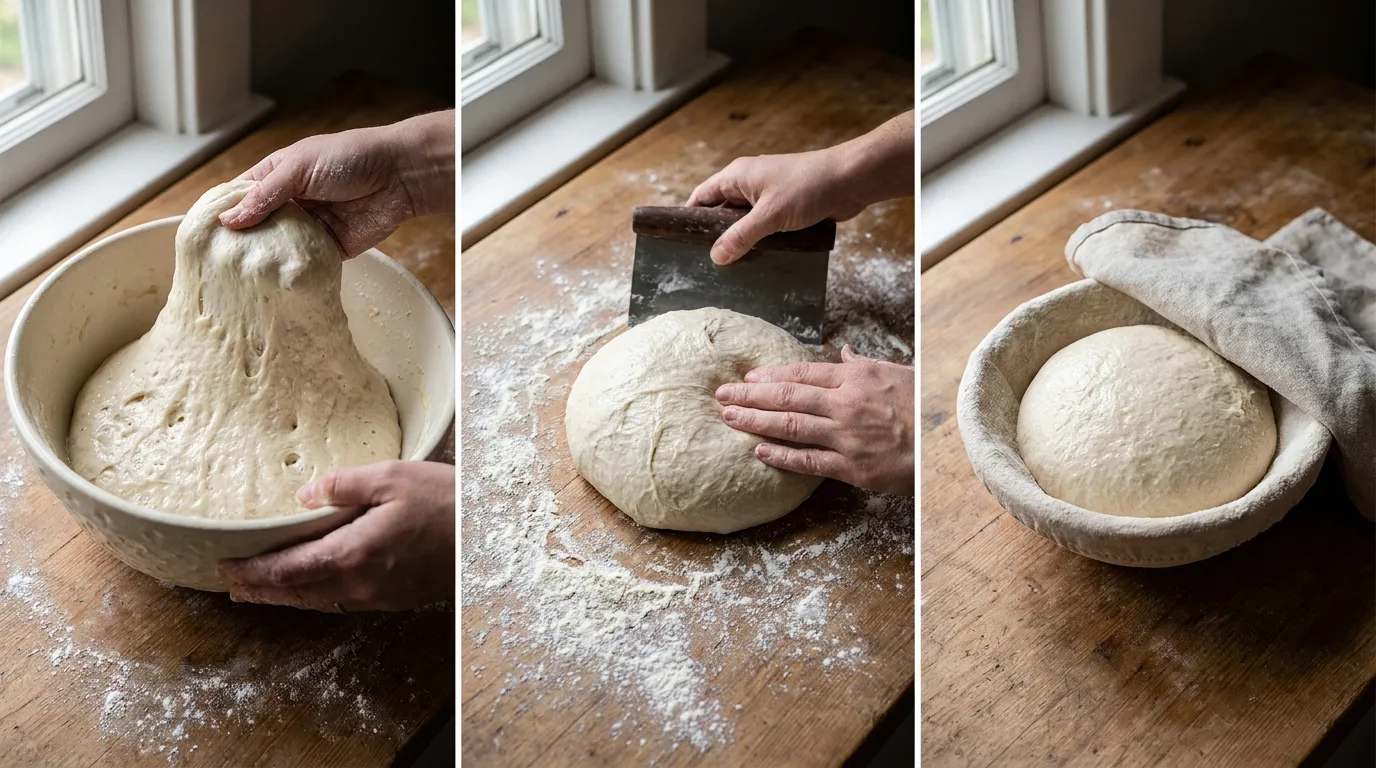
Use a digital scale to accurately measure ingredients.
Monitor temperature and humidity levels in your environment.
Be patient and allow your dough sufficient time to develop and relax its gluten.
Experiment with different flour types and hydration levels to find the optimal balance for your sourdough recipe.
When experimenting, remember that small adjustments can have significant effects on the final texture. For example, increasing the hydration level by 2-3% may make a noticeable difference in the bread's crumb structure.
The Role of Flour Strength
Flour strength is another critical factor to consider when adjusting hydration levels. Flour with high protein content tends to produce stronger gluten networks, which can lead to a denser or tougher crumb if not balanced correctly.
To mitigate this issue, use flours with lower protein content or experiment with blending different types of flour. This will help you achieve the optimal balance between hydration and gluten development.
Common Mistakes
When adjusting hydration levels, it's essential to avoid common mistakes that can lead to imperfect crumb. Some of these include:
Overmixing: Developing too much gluten, leading to a dense or tough crumb
Underhydration: Not enough moisture, resulting in a dry or crumbly loaf
Insufficient proofing: Not allowing the dough sufficient time to develop and relax its gluten
To avoid these mistakes, pay close attention to your dough's behavior during mixing and proofing. Monitor its texture, consistency, and aroma to determine if adjustments are needed.
Conclusion
Achieving a perfect sourdough crumb requires careful attention to hydration levels, flour strength, and environmental conditions. By following the guidelines outlined in this guide and experimenting with different techniques, you'll be well on your way to creating delicious bread with tender, even, and fragrant crumb.
Remember that achieving perfection is an ongoing process, and it's essential to remain flexible and open to adjusting your techniques as needed. With patience and practice, you'll develop the skills necessary to create beautiful sourdough loaves with perfect crumb.
This Article was made with AI assistance and human editing.