

Building Better Habits: A Step-by-Step Guide
As humans, we're creatures of habit. Our daily routines, good and bad, shape who we become and how we live our lives. But what if you could intentionally create habits that propel you forward, rather than holding you back? The science of habit formation is fascinating, and with the right tools, anyone can build a better life.

In this article, we'll explore the concept of habit stacking, as introduced by James Clear in his book Atomic Habits. You'll learn how to identify and break bad habits, and how to replace them with positive ones that will transform your life. By the end of this guide, you'll have a clear understanding of how to apply the Atomic Habits framework to your daily life.
What is Habit Stacking?
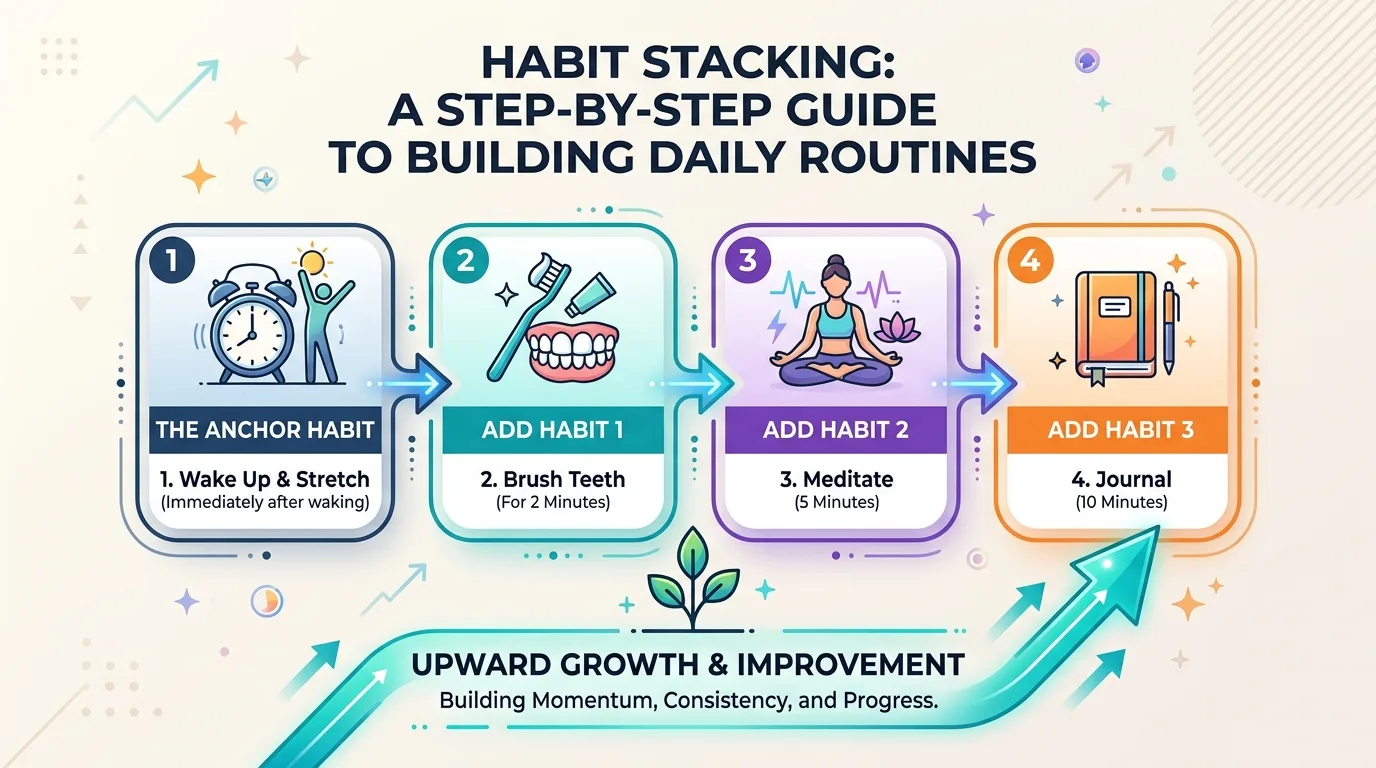
Habit stacking involves building new habits onto existing ones. This approach recognizes that small changes can add up over time and lead to significant improvements in our lives. The idea is simple: identify an existing habit you already do consistently, such as brushing your teeth every morning, and stack a new habit on top of it.
To understand the concept of habit stacking, imagine a building. Each new habit is like adding another floor to the structure. As each floor is added, the overall structure becomes more substantial and secure. Similarly, when you build new habits onto existing ones, you create a strong foundation for lasting change.
For instance, let's say you want to start exercising regularly. Instead of trying to find an hour to go to the gym each day, which can be daunting, you can add a shorter exercise routine to your existing habit of waking up in the morning. By linking a new behavior to one you already do every day, you increase the likelihood that it will become automatic.
How Does Habit Stacking Work?
Habit stacking relies on several key principles:
Identity-based habits: The idea is to create habits that align with your values and identity.
Stacking habits: Building new habits onto existing ones makes them easier to maintain.
Sustainability: Focus on creating small, sustainable changes rather than drastic overhauls.
These principles are the foundation of habit stacking. By understanding how they work together, you'll be better equipped to design a habit-forming strategy that works for you.
Key Features of Habit Stacking
Here are the key features and benefits of using habit stacking:
Flexibility: Stack habits onto existing routines or events.
Efficiency: Make small changes that add up over time.
Sustainability: Focus on long-term goals rather than short-term fixes.
These features make habit stacking a powerful tool for creating lasting change in your life. By applying the Atomic Habits framework and using habit stacking, you can create sustainable habits that align with your values and identity.
Breaking Bad Habits with Habit Stacking
But what about bad habits? How can you use habit stacking to break them?
The first step is to identify the underlying reason for the bad habit. Is it boredom, stress, or something else? Once you understand the root cause, you can start working on replacing the bad habit with a better one.
For example, let's say you have a habit of checking your phone as soon as you wake up. Instead of trying to quit cold turkey, you can stack a new habit on top of it: when you wake up, take 10 minutes to meditate before reaching for your phone.
By replacing an old behavior with a new one, you'll find that the bad habit starts to fade away. This is because the new habit has become linked to an existing routine, making it easier to maintain and more likely to stick.
Applying the Atomic Habits Framework
So how do you apply the Atomic Habits framework to your life?
Here are some key steps:
1. Make it Obvious: Identify and track your habits.
2. Make it Attractive: Align new habits with your values and goals.
3. Make it Easy: Start small and build up to more significant changes.
By following these steps, you'll be able to identify and break bad habits, and replace them with positive ones that will transform your life.
Understanding the Process of Habit Formation
Habit formation is a process that involves several stages:
1. Cue: The trigger that sets off the habit.
2. Craving: The motivation behind the habit.
3. Response: The behavior that follows the cue and craving.
4. Reward: The payoff or benefit of the habit.
By understanding these stages, you can identify where your habits are going wrong and make changes to improve them.
Creating an Environment for Success
Creating a supportive environment is crucial for building new habits. This includes:
Removing obstacles that hinder progress
Surrounding yourself with people who support your goals
Creating a schedule that allows for habit-building time
By creating an environment that supports your habits, you'll be more likely to stick to them.
Conclusion
Building better habits is a journey that requires patience, persistence, and self-awareness. By understanding the principles of habit stacking and applying the Atomic Habits framework, you can create lasting change in your life. Remember to focus on small, sustainable changes rather than drastic overhauls, and don't be afraid to seek help when needed.
Final Thoughts
Building better habits is a journey that requires dedication and hard work. But with the right tools and mindset, anyone can achieve their goals. By applying the principles of habit stacking and creating a supportive environment, you'll be well on your way to building lasting change in your life.
This Article was made with AI assistance and human editing.