

As a parent or educator, you may wonder how to encourage your teenager's interest in science, technology, engineering, and mathematics (STEM). With rapid advancements in technology, it's essential to provide students with hands-on learning experiences that foster creativity, problem-solving skills, and critical thinking. Raspberry Pi robotics kits are an excellent way to introduce teens to the world of robotics and coding, preparing them for a future in STEM fields.
What Are Raspberry Pi Robotics Kits?
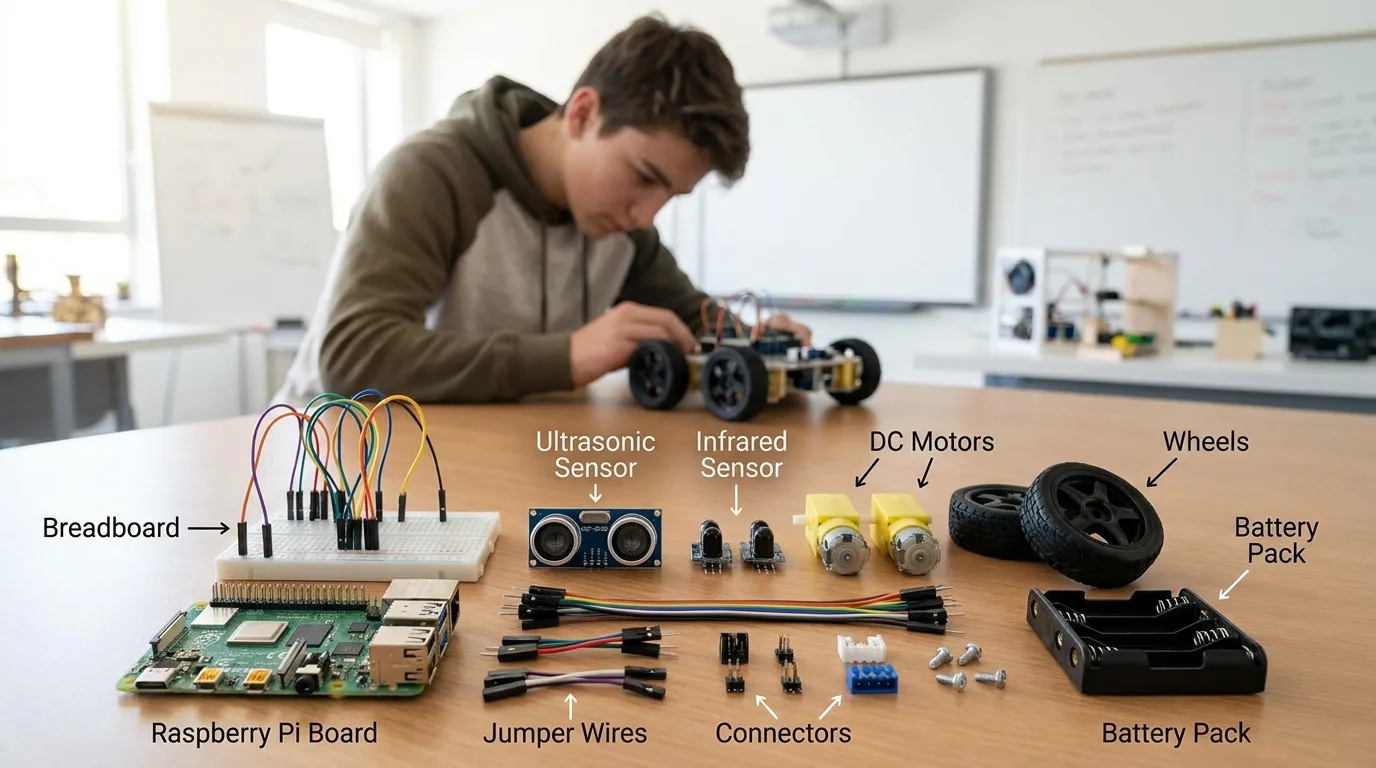
Raspberry Pi is a small, affordable computer used for various projects, including robotics. The Raspberry Pi Foundation, a UK-based charity, created these kits to make computing and coding accessible to everyone. A typical Raspberry Pi robotics kit consists of several key components:
The brain: This refers to the central processing unit (CPU) of your robot, where you'll write code and program its behavior. In simple terms, the CPU is the "brain" of your robot, responsible for executing instructions and making decisions.
Motors (DC or stepper): These power your robot's movements, whether it's moving around a track or performing specific actions. There are two types of motors commonly used in robotics: DC motors and stepper motors. DC motors are simpler to use but provide less precise control over movement, while stepper motors offer more precision at the cost of increased complexity.
DC Motors: These motors rotate at a constant speed as long as power is applied. They're often used for applications where speed and torque are not critical.
Stepper Motors: These motors move in discrete steps, allowing for precise control over movement. They're commonly used in robotics for tasks that require high accuracy.
Sensors (ultrasonic, infrared, etc.): These help your robot perceive its environment, detecting obstacles, distances, or other relevant information. There are several types of sensors used in robotics, each with its own strengths and weaknesses:
Ultrasonic Sensors: Use sound waves to detect objects at a distance.
Infrared Sensors: Detect heat signatures or light levels.
Touch Sensors: Detect when the robot makes contact with an object.
Power supply: This is the energy source for your robot, powering all its components. It's essential to choose a power supply that matches the requirements of your project. When selecting a power supply, consider factors like voltage, current, and efficiency to ensure optimal performance.
Cables and connectors: These connect the various components together. Make sure all cables are securely connected, and the power supply is properly attached.
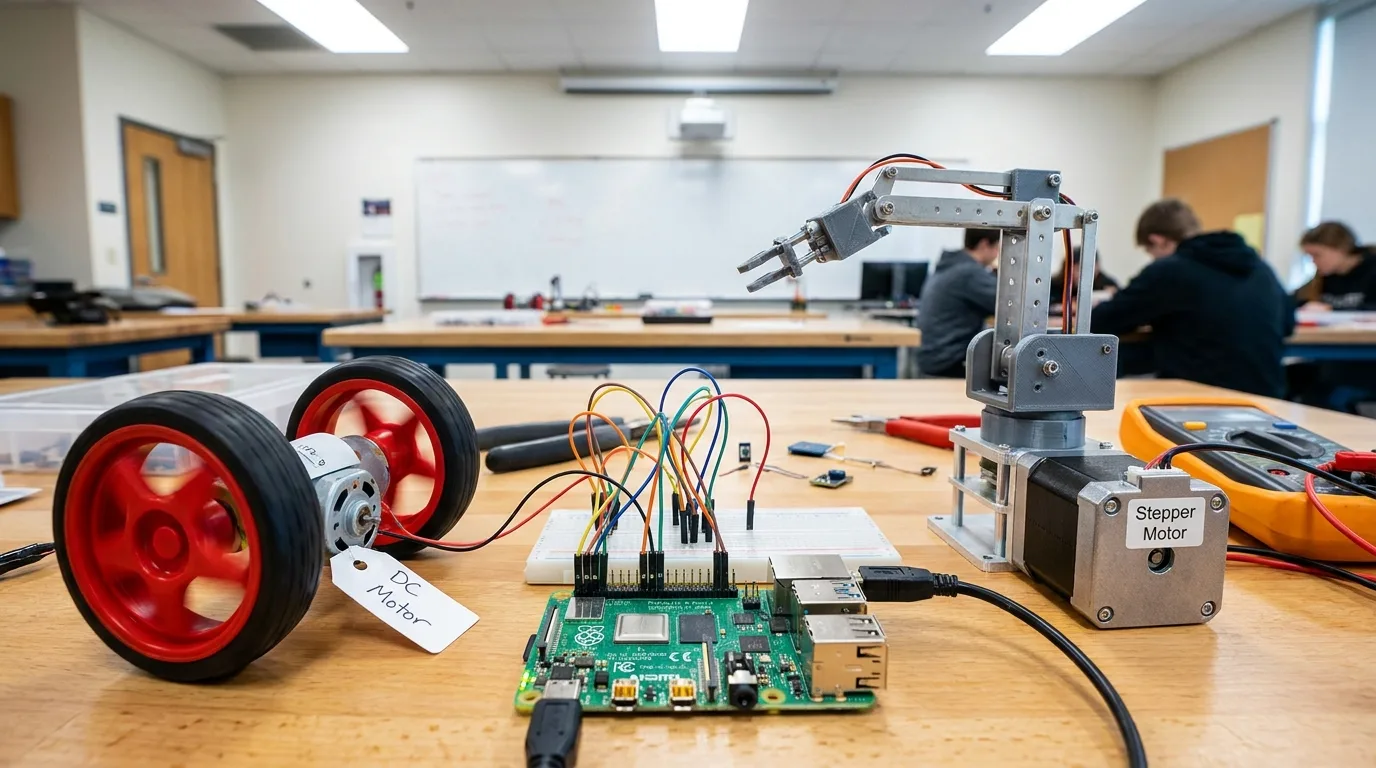
These kits allow teens to build and program their own robots, learning essential skills in programming languages like Python and Scratch. The versatility of Raspberry Pi robotics kits lies in their ability to create multiple projects with a single kit, from simple line followers to complex obstacle avoiders.
How Do I Use Them for Teens?
Using Raspberry Pi robotics kits with teens is straightforward:
1. Choose a project idea: Browse online resources or books for inspiration. Consider the skill level and interests of your students when selecting a project.
For beginners, start with simple projects like line followers or obstacle avoiders.
For more advanced students, try projects that incorporate sensors, motors, and programming logic.
2. Assemble the kit: Follow the manufacturer's instructions to assemble the kit, taking note of any specific requirements or recommendations.
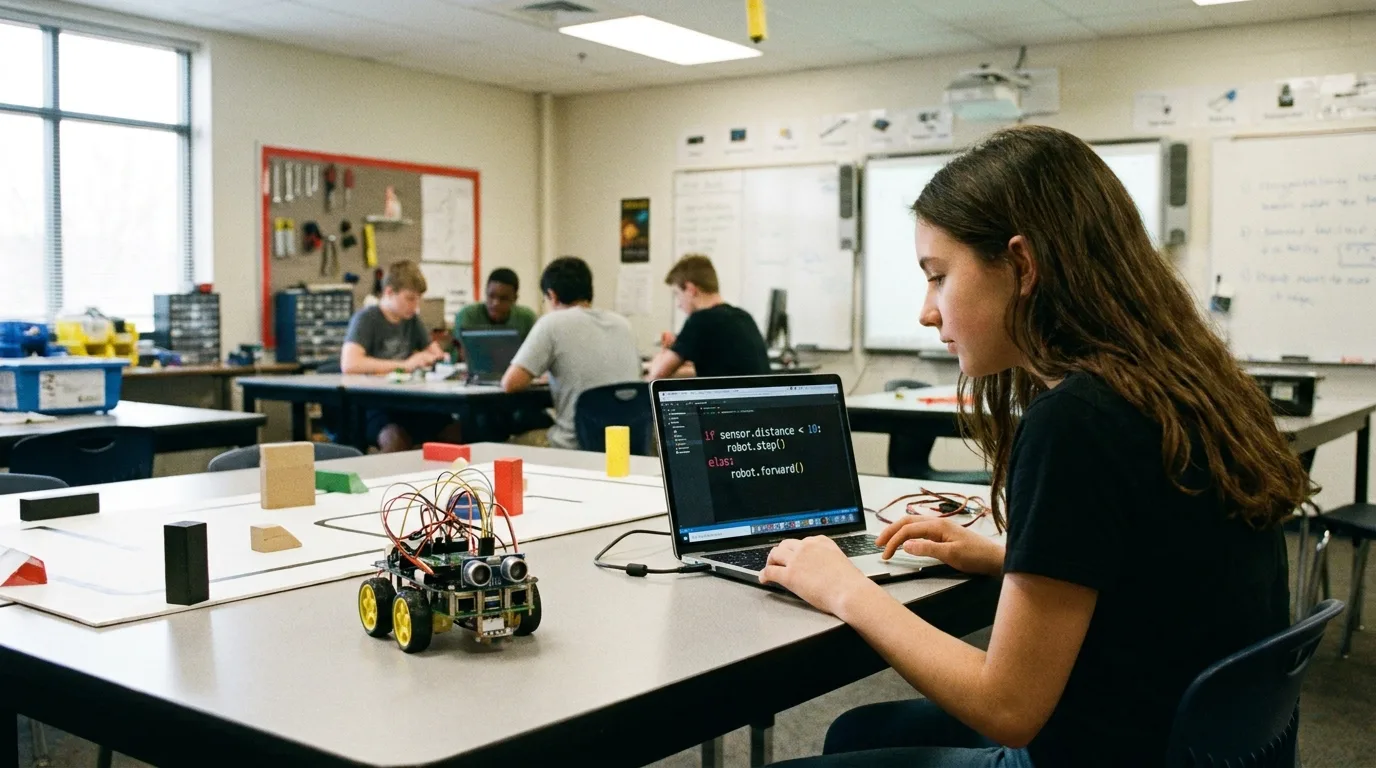
3. Program the robot: Use programming languages like Python or Scratch to create code for the robot's behavior. Start with basic commands and gradually add complexity as needed.
Programming languages like Python and Scratch are designed to be user-friendly and easy to learn.
As students progress, they can move on to more advanced languages like C++ or Java.
4. Test and refine: Test the robot's performance, making adjustments as necessary to achieve the desired outcome.
Benefits of Using Raspberry Pi Robotics Kits
Using these kits can provide numerous benefits:
Develops problem-solving skills through trial and error
Problem-solving is an essential skill in robotics and programming.
By working with robotics kits, students develop the ability to identify problems and find creative solutions.
Improves programming knowledge and understanding with hands-on experience
Programming languages like Python and Scratch are designed to be intuitive and easy to learn.
With hands-on experience, students can better understand programming concepts and apply them to real-world projects.
Enhances creativity and innovation by allowing teens to design and build their own projects
Robotics kits provide a platform for students to express their creativity and bring their ideas to life.
By designing and building their own projects, students develop critical thinking skills and learn to approach problems from different angles.
Prepares students for careers in STEM fields
The skills learned through robotics and programming are highly valuable in the job market.
With experience working with robotics kits, students can gain a competitive edge in their future careers.
Tips for Successful Implementation
To ensure successful implementation of Raspberry Pi robotics kits in your classroom or at home, consider the following tips:
Start with simple projects and gradually move on to more complex ones
This approach helps build confidence and develops problem-solving skills.
Encourage collaboration and teamwork among students
Working in groups promotes communication, creativity, and innovation.
Provide adequate resources and support for students
Make sure students have access to necessary materials, software, and online resources.
By following these tips and guidelines, you can unlock your teen's potential and introduce them to the exciting world of robotics and programming.
This Article was made with AI assistance and human editing.