

Are you tired of trying fad diets with little to no results? Intermittent fasting may be a viable alternative. One popular approach is 5:2 fasting, which has gained attention due to its simplicity and reported effectiveness. In this article, we'll explore the benefits, how it works, and whether it's suitable for your lifestyle.
What is Intermittent Fasting?
Before diving into 5:2 fasting, let's briefly cover what intermittent fasting (IF) entails. IF involves restricting food intake for certain periods to reap calorie restriction benefits without sacrificing taste or enjoyment. By giving your body regular breaks from eating, you may experience:
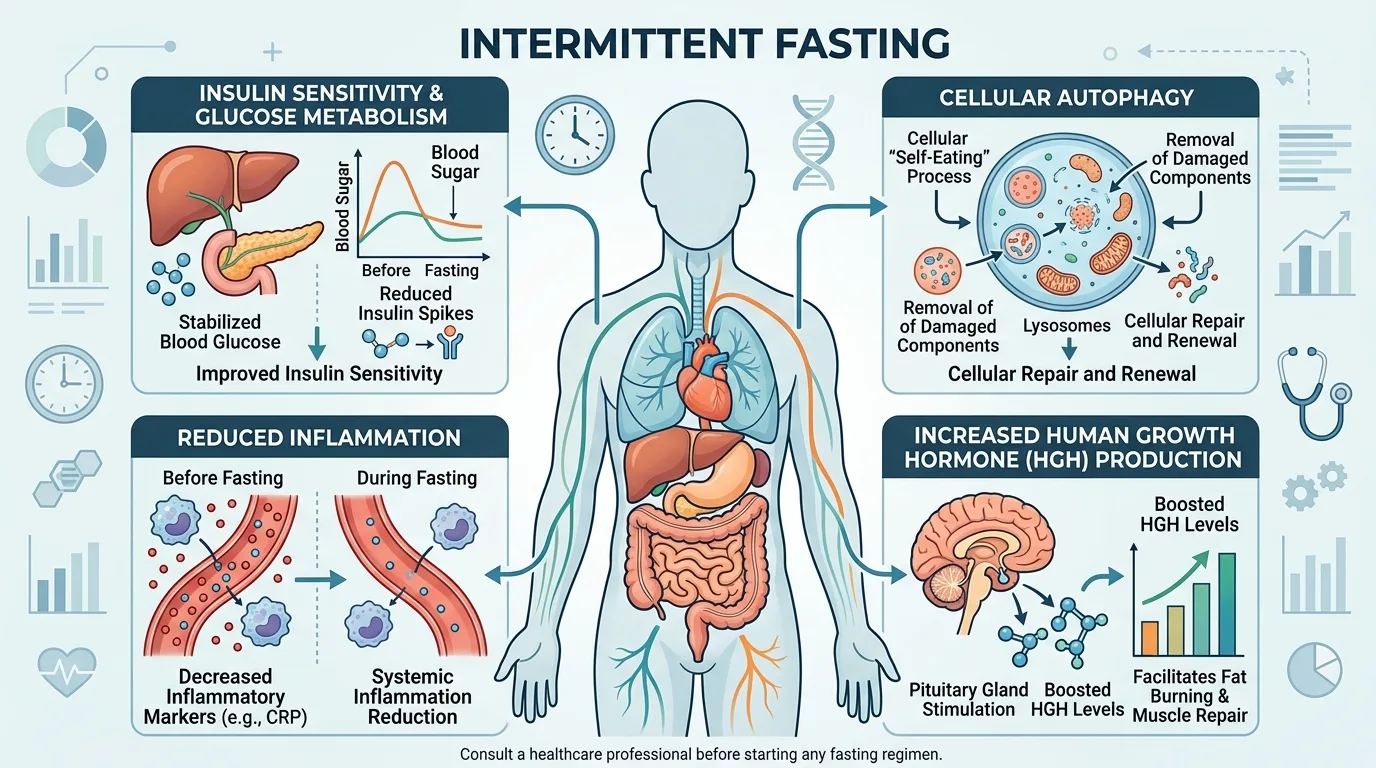
• Improved insulin sensitivity and glucose metabolism: Regular periods of fasting have been linked to improved insulin efficiency, potentially reducing the risk of developing type 2 diabetes. Insulin is a hormone produced by the pancreas that regulates blood sugar levels. When we eat regularly, our bodies become less responsive to insulin, leading to insulin resistance and an increased risk of chronic diseases.
• Enhanced autophagy (cellular self-renewal): Fasting has been associated with increased autophagy, a process that helps remove damaged cells and promote cellular renewal. Autophagy is a natural process where the body breaks down and recycles its own damaged or dysfunctional components to maintain optimal health.
• Increased human growth hormone production: Some studies suggest fasting can lead to increased production of human growth hormone (HGH), which may aid in weight loss and muscle gain. HGH plays a crucial role in regulating growth, development, and metabolism.
• Reduced inflammation and oxidative stress: Restricting calorie intake may help alleviate conditions such as arthritis by reducing inflammation in the body.
These benefits make IF an attractive option for those seeking improved overall health. However, it's essential to note that IF is not a one-size-fits-all approach. Different methods of IF, such as alternate-day fasting or 16:8, may be more suitable for certain individuals.
What is 5:2 Fasting?
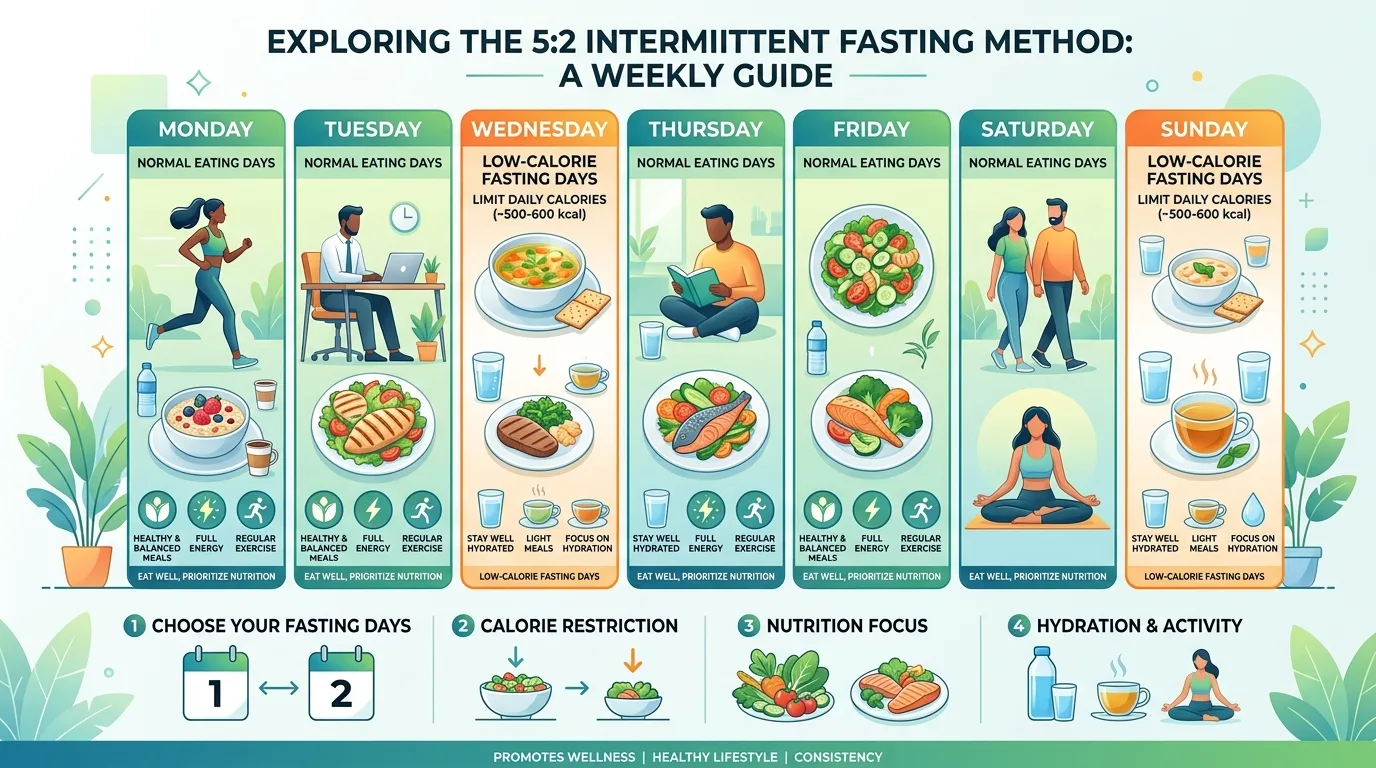
So, what exactly is 5:2 fasting? In simple terms, it involves restricting calorie intake to approximately 500 calories on two non-consecutive days per week. On the other two days, you can eat normally without any restrictions. This approach allows for a balanced lifestyle while still providing some benefits of IF.
Here's an example of how 5:2 fasting might work:
Day 1 (fasting day): You restrict your calorie intake to approximately 500 calories.
Day 3 (eating day): You can eat normally, with no restrictions on portion size or type of food. Take this opportunity to fuel your body with nutrient-dense foods and satisfy your hunger.
Day 5 (fasting day): You repeat the process, restricting calorie intake again.
Benefits of 5:2 Fasting
Some potential benefits of 5:2 fasting include:
• Weight Loss: Restricting calorie intake can lead to weight loss, particularly around the midsection. As you restrict your daily caloric intake on non-fasting days, your body adapts by becoming more efficient at burning fat for energy. • Improved Insulin Sensitivity: Regular periods of fasting may improve insulin efficiency and reduce the risk of developing type 2 diabetes. This is achieved through improved glucose metabolism and enhanced insulin sensitivity. • Increased Autophagy: Fasting has been linked to increased autophagy, a process that helps remove damaged cells and promote cellular renewal.
However, it's essential to maintain a balanced approach and not solely rely on 5:2 fasting for weight loss. A comprehensive diet plan with regular exercise is recommended for overall health benefits.
How to Get Started with 5:2 Fasting
If you're new to IF or have never tried fasting before, it's crucial to ease into the process gradually. Here are some steps to follow:
1. Start by tracking your food intake: Monitor your daily caloric intake for a week or two to get an idea of your eating habits.
2. Choose your fasting days wisely: Select non-consecutive days that work best for your schedule, such as Monday and Thursday.
3. Prepare healthy meals in advance: Plan and prepare your meals in advance to ensure you're getting the nutrients your body needs on your eating days.
4. Stay hydrated: Drink plenty of water during your fasting periods to reduce hunger and support overall health.
Common Challenges and Solutions
Some common challenges faced by individuals trying 5:2 fasting include:
Hunger: To reduce hunger during your fasting periods, try drinking plenty of water and incorporating healthy fats into your meals.
Fatigue: If you're feeling tired or sluggish during your eating days, try increasing your physical activity levels or taking a power nap.
Tips for Success with 5:2 Fasting
To maximize the benefits of 5:2 fasting and make it a sustainable lifestyle change:
1. Listen to your body: Pay attention to your hunger and fullness cues to avoid overeating on your eating days.
2. Stay consistent: Stick to your schedule and maintain consistency with your fasting periods.
3. Be patient: It may take some time for your body to adapt to the new routine, so be patient and celebrate small victories along the way.
By incorporating 5:2 fasting into your lifestyle, you can experience improved overall health, weight loss, and increased energy levels. Remember to approach this journey with patience and consistency, and don't hesitate to consult a healthcare professional if you have any concerns.
This Article was made with AI assistance and human editing.