

Arctic Ice Melt Rates since 1980: A Decade-Long Trend
The Arctic ice melt has been a topic of concern for scientists and environmentalists alike in recent years. As the planet continues to warm due to climate change, the effects on global weather patterns and ecosystems are becoming increasingly apparent. In this article, we will delve into the trend of Arctic ice melt rates since 1980, exploring the impact of this phenomenon on the environment and human societies.
What is Driving Arctic Ice Melt?
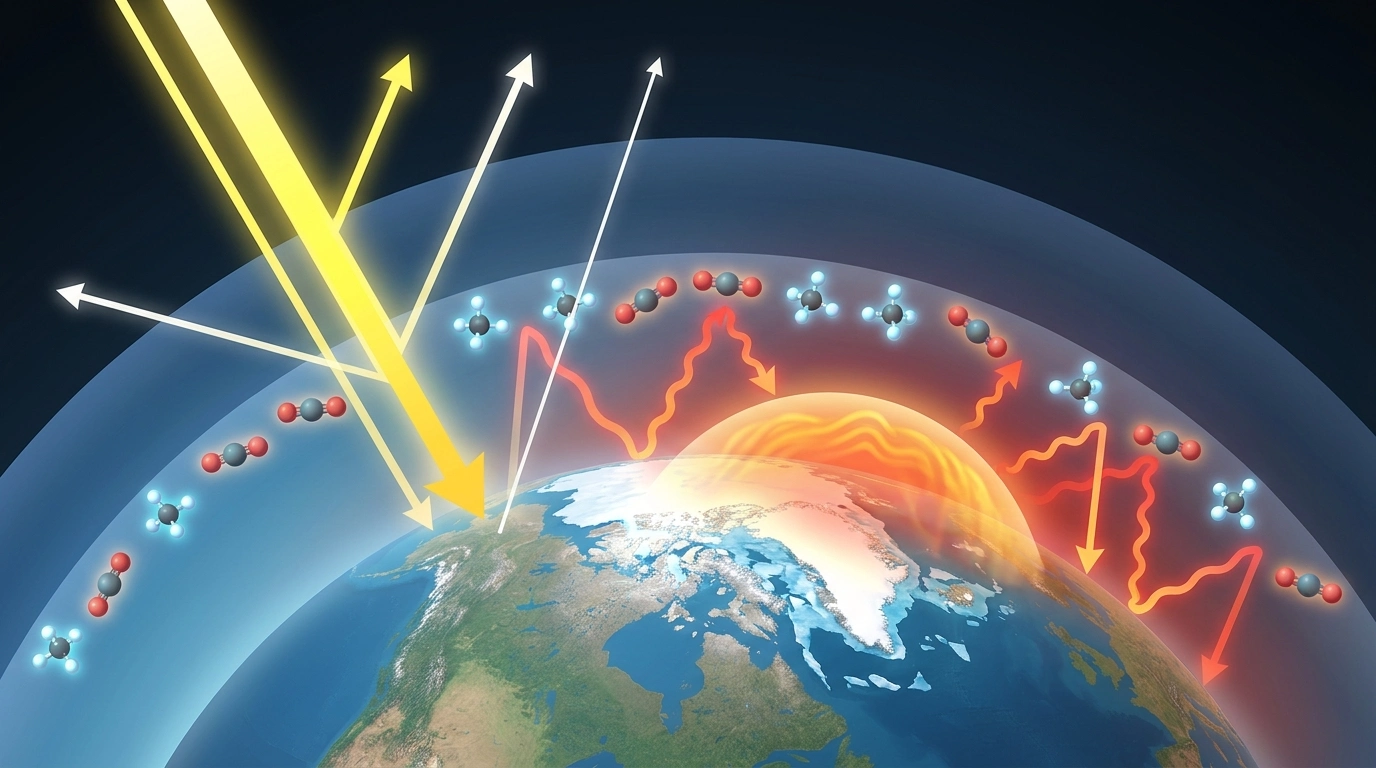
The rapid decline in Arctic sea ice has been attributed to a combination of natural climate variability and anthropogenic (human-induced) factors. The primary driver of Arctic warming is the increase in greenhouse gases, such as carbon dioxide and methane, which trap heat in the atmosphere and lead to temperature rises. This process is often referred to as the "greenhouse effect." In simpler terms, when sunlight enters the Earth's atmosphere, it is absorbed by the planet's surface. Some of this energy is then released back into space as heat. Greenhouse gases act like a blanket, trapping some of that heat and preventing it from escaping into space.
The increase in greenhouse gas emissions is largely due to human activities such as burning fossil fuels (coal, oil, and natural gas), deforestation, and land-use changes. The combustion of fossil fuels releases large amounts of carbon dioxide and other pollutants into the atmosphere, contributing to the enhancement of the greenhouse effect. Furthermore, changes in ocean circulation patterns and increased solar radiation have also contributed to the ice melt.
Trends in Arctic Sea Ice Extent
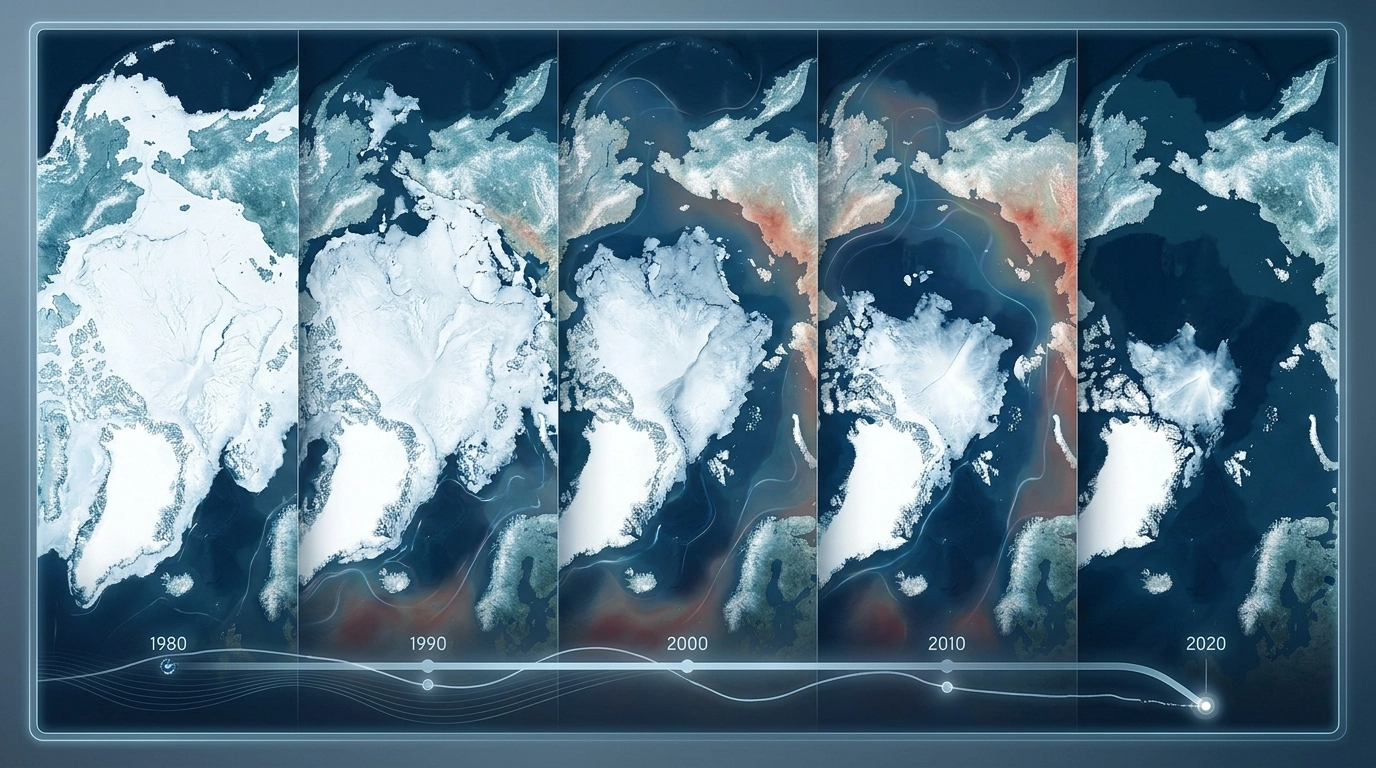
Since 1980, there has been a steady decline in Arctic sea ice extent, with some fluctuations due to natural climate variability. According to data from the National Snow and Ice Data Center (NSIDC), the average annual minimum Arctic sea ice extent has decreased by approximately 40% over this period.
| Year | Average Annual Minimum Sea Ice Extent (million km²) | | --- | --- | | 1980 | 7.02 | | 1990 | 6.53 | | 2000 | 5.94 | | 2010 | 4.67 | | 2020 | 3.79 |
Note that the decline in sea ice extent is not uniform across all seasons and years. However, the trend is clear: the Arctic is losing its sea ice cover at an alarming rate.
Consequences of Arctic Ice Melt
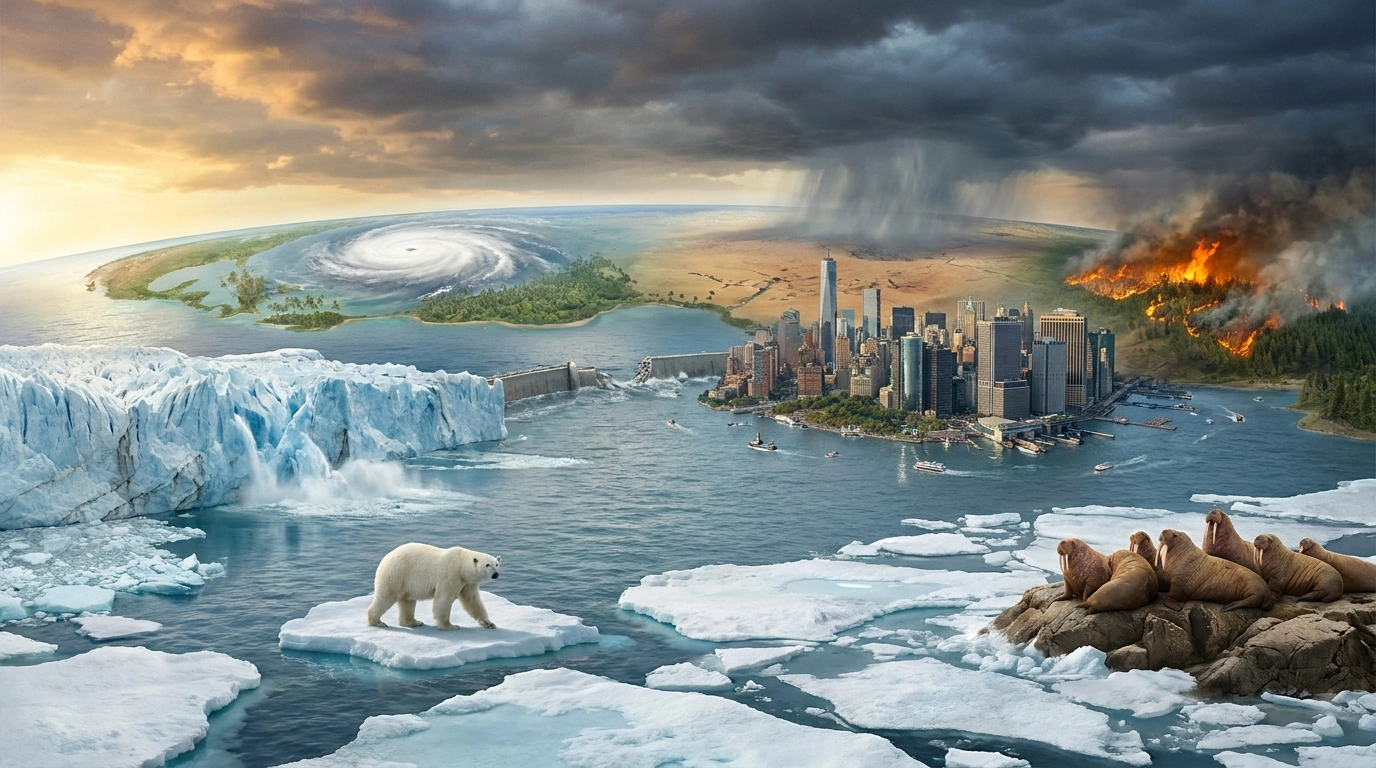
The consequences of Arctic ice melt are far-reaching and multifaceted. Some of the key effects include:
Sea Level Rise: As Arctic sea ice melts, it contributes to sea level rise due to the displacement of water from the ice into the ocean. This has significant implications for coastal communities and ecosystems around the world.
Extreme Weather Events: The warming of the Arctic has been linked to an increase in extreme weather events, such as heatwaves and heavy precipitation events. These events can have devastating impacts on human societies and the environment.
To understand why this is happening, consider that the Arctic ice cap acts as a buffer against extreme weather events. When sea ice melts, it reduces this buffering capacity, allowing warmer air to penetrate further into the Arctic region. This warming, in turn, leads to an increase in moisture content in the atmosphere, which can result in more intense precipitation events.
Disruption of Ecosystems: Changes in sea ice coverage can have devastating effects on marine ecosystems, including impacts on polar bears, walruses, and other species that rely on sea ice for breeding, feeding, and migration. These changes can have cascading effects throughout the entire ecosystem, leading to loss of biodiversity and ecosystem resilience.
Comparing Arctic Ice Melt to Other Environmental Trends
To put the trend of Arctic ice melt into perspective, it's essential to compare it with other environmental trends. Some notable examples include:
Temperature Rise: The global average temperature has risen by approximately 1°C since 1880, with a significant acceleration in warming over the past few decades.
Sea Level Rise: Sea levels have risen by about 15-20 cm since 1900, with an accelerated rate of rise in recent years.
Ocean Acidification: The absorption of CO2 by oceans has led to a decrease in pH levels, making it more acidic and affecting marine life.
These trends are interconnected and can be seen as indicators of the Earth's response to climate change. While each trend is unique, they all point to a larger issue: human activities are causing significant changes to the planet's climate system.
What Can We Do?
While the trend of Arctic ice melt is alarming, there are steps that can be taken to mitigate its effects. Some potential strategies include:
Reducing Greenhouse Gas Emissions: Decreasing emissions from fossil fuels and other human activities can help slow down global warming.
Sustainable Land Use Practices: Implementing sustainable land use practices, such as reforestation and soil conservation, can help sequester carbon dioxide and reduce deforestation. This approach not only reduces greenhouse gas emissions but also promotes ecosystem resilience and biodiversity.
When implementing these strategies, it's essential to consider the context in which they will be applied. For example, reducing greenhouse gas emissions may require a combination of policies, technologies, and individual actions.
Climate-Resilient Infrastructure: Investing in climate-resilient infrastructure, such as sea walls and levees, can help protect communities from the impacts of sea level rise.
Ecosystem-Based Adaptation: Supporting ecosystem-based adaptation strategies, which focus on preserving natural habitats and ecosystems, can provide a more sustainable approach to adapting to climate change.
Conclusion
The trend of Arctic ice melt since 1980 is a pressing concern for scientists, policymakers, and the general public. Understanding the causes and consequences of this phenomenon can inform efforts to mitigate its effects on global climate patterns and ecosystems. By taking action to reduce greenhouse gas emissions, promoting sustainable land use practices, and investing in climate-resilient infrastructure, we can work towards reducing the impacts of Arctic ice melt.
The urgency of this issue cannot be overstated. As the Arctic continues to warm at a faster rate than the rest of the planet, it is essential that we take action to address this trend. By working together, we can mitigate the effects of climate change and create a more sustainable future for all.
This Article was made with AI assistance and human editing.


