

Deep within the heart of the Amazon rainforest, a majestic creature swims through the murky waters of the world's largest river system. The Amazon river dolphin, also known as the pink river dolphin (Inia geoffrensis), is one of the most fascinating and enigmatic animals on the planet. However, this incredible species faces multiple threats to its survival, from habitat loss and pollution to hunting and climate change.
As we delve into the world of the Amazon river dolphin, you'll learn about the various challenges it encounters in its natural habitat. You'll discover the importance of conservation efforts and how individual actions can make a significant difference in protecting this incredible species. By the end of this article, you'll have a deeper understanding of the Amazon river dolphin's plight and be equipped with practical knowledge on how to contribute to its preservation.
What are Amazon River Dolphins?
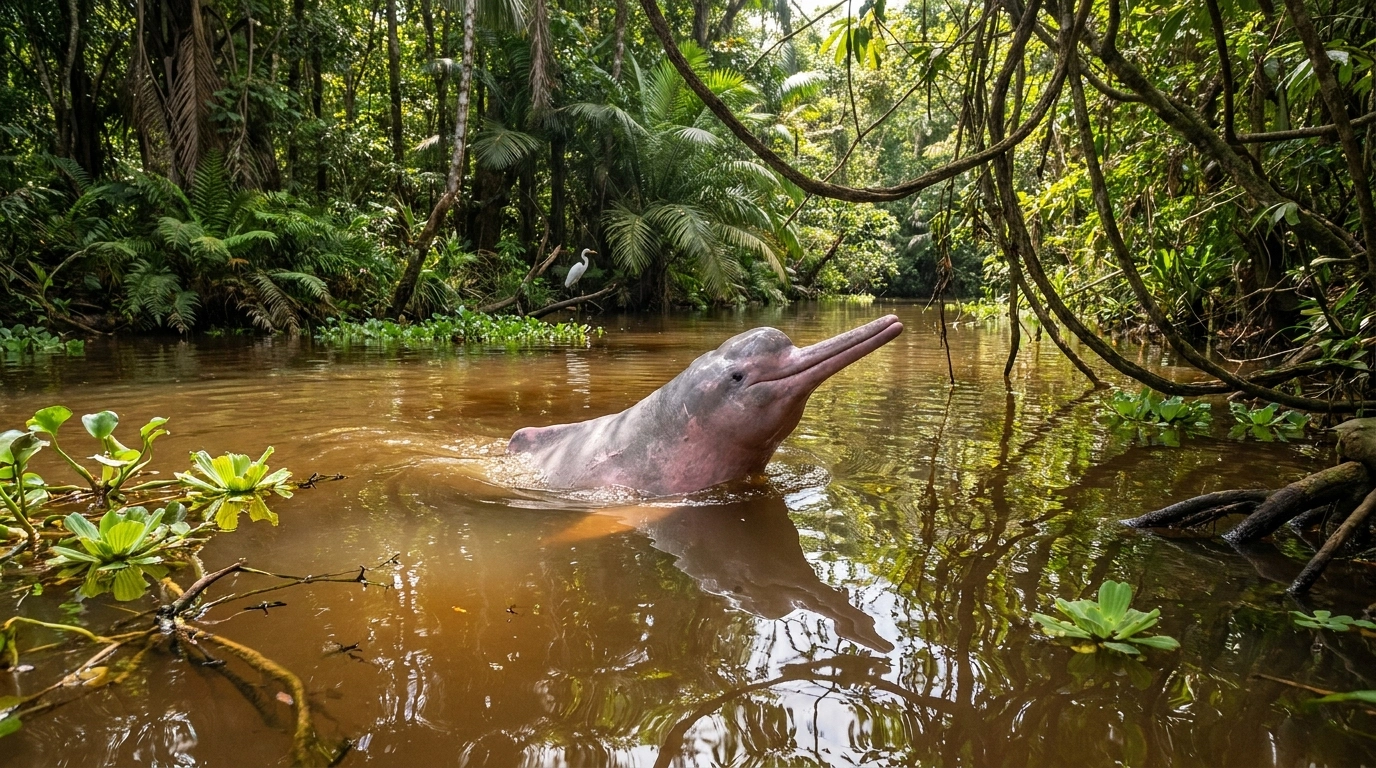
The Amazon river dolphin is the largest freshwater dolphin in the world, reaching lengths of up to 2.5 meters (8.2 feet) and weighing up to 600 kilograms (1,323 pounds). These gentle giants are found only in the freshwaters of the Amazon and Orinoco river basins in South America.
To understand the importance of conservation efforts for this species, it's essential to recognize its unique characteristics. Some key features of Amazon river dolphins include:
• Distinctive coloration: They have a distinctive pink or grayish-pink color on their back, which can turn darker in older individuals.
• Large size: Adult dolphins can grow up to 2.5 meters (8.2 feet) in length and weigh over 600 kilograms (1,323 pounds).
• Diet: They feed on a variety of fish, crustaceans, and other aquatic animals.
The Amazon river dolphin's diet consists mainly of small fish and invertebrates that are abundant in the freshwater ecosystems of the Amazon. Their feeding behavior plays a crucial role in maintaining the balance of their ecosystem.
Habitat Loss and Fragmentation
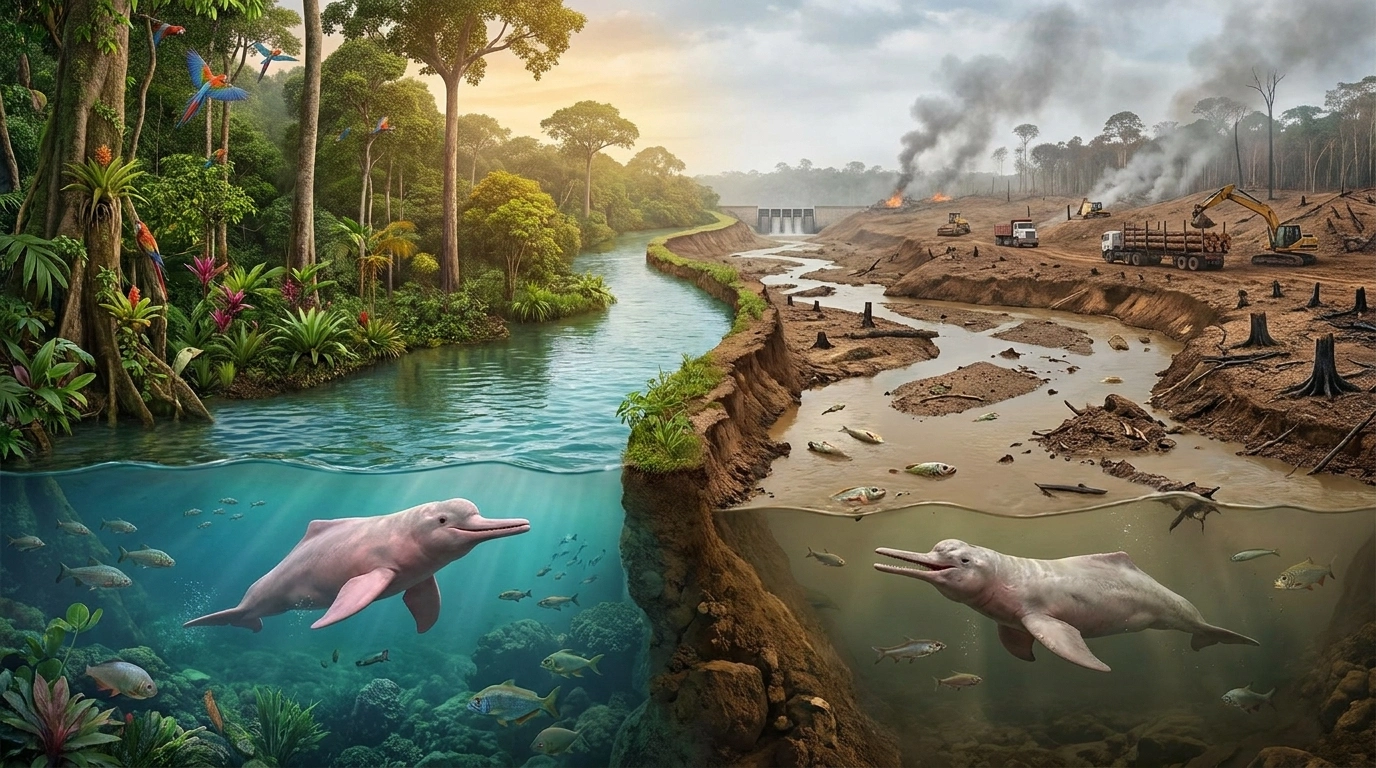
The Amazon river dolphin's habitat is under severe threat due to deforestation and the construction of dams. The Amazon rainforest has lost approximately 17% of its forest cover in the past few decades, leading to the destruction of habitats and the fragmentation of remaining forests.
This habitat loss has significant consequences for the Amazon river dolphin:
• Reduced food supply: The destruction of aquatic vegetation and the reduction of fish populations due to pollution and overfishing affect the dolphins' primary food source.
• Increased human-dolphin conflict: As their habitats shrink, dolphins are forced closer to human settlements, increasing the likelihood of conflicts between humans and dolphins.
The fragmentation of forests can lead to isolation of dolphin populations, making it difficult for them to find suitable mates or migrate to other areas. This, in turn, can lead to population decline and reduced genetic diversity.
Pollution and Overfishing
The Amazon river dolphin is also threatened by pollution and overfishing. The mercury levels in the river's fish population have increased significantly due to gold mining activities, which can be toxic to dolphins if ingested.
Some alarming statistics include:
• Mercury levels: Research has shown that Amazon river dolphins have high levels of mercury in their bodies, which can lead to neurological problems and even death.
• Fish depletion: Overfishing has led to a significant decline in fish populations, making it harder for the dolphin population to survive.
Pollution from human activities can have devastating effects on aquatic ecosystems. Mercury is just one example of the many pollutants that can accumulate in the food chain, affecting dolphins and other aquatic animals.
Climate Change
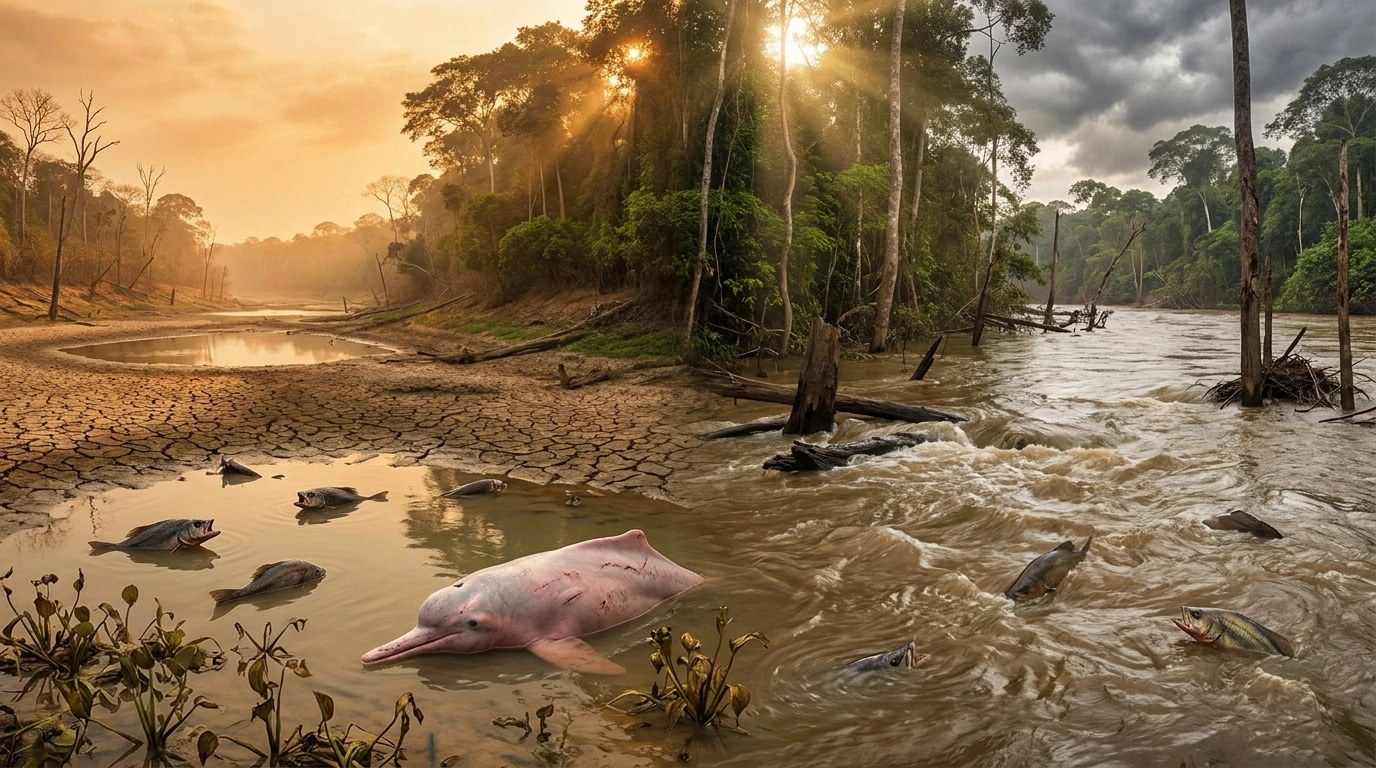
Climate change is another pressing issue affecting the Amazon river dolphin. Rising water temperatures and changes in precipitation patterns alter the dolphin's habitat and affect its prey base.
Some potential consequences of climate change include:
• Changes in food availability: Shifts in fish populations and aquatic vegetation can lead to reduced food availability for dolphins.
• Increased disease transmission: Changes in water temperature can facilitate the spread of diseases among dolphin populations.
Climate change can also alter the distribution of dolphin populations, forcing them to migrate to new areas. However, their habitat requirements might not be met in these new areas, leading to further decline in population numbers.
Conservation Efforts
While the situation seems bleak, there are many organizations and individuals working tirelessly to protect the Amazon river dolphin. Some initiatives include:
• Protected areas: Establishing protected areas within the Amazon rainforest helps preserve the dolphins' habitat.
• Research and monitoring: Scientists study the dolphins' behavior, population dynamics, and habitat requirements to inform conservation efforts.
To contribute to the conservation of Amazon river dolphins, individuals can participate in various activities. For example:
Support organizations working on conservation efforts, such as the World Wildlife Fund (WWF), International Union for Conservation of Nature (IUCN), or The Ocean Conservancy.
Reduce your carbon footprint by making environmentally conscious choices, such as using public transportation or reducing energy consumption.
Reducing Carbon Footprint
Climate change affects dolphin habitats; reducing greenhouse gas emissions can help mitigate its impact. Here are some simple steps to reduce your carbon footprint:
1. Use public transportation or carpool when possible.
2. Reduce energy consumption by turning off lights, electronics, and appliances when not in use.
3. Use eco-friendly products that minimize waste and pollution.
Every small action counts, and collective efforts can lead to substantial change.
Conclusion
The Amazon river dolphin faces numerous threats to its survival, from habitat loss and pollution to hunting and climate change. However, by understanding these challenges and taking action, we can contribute to the conservation of this incredible species.
By supporting organizations working on conservation efforts, reducing our carbon footprint, and spreading awareness about the Amazon river dolphin's plight, we can make a significant difference in protecting this majestic creature.
Remember: every small action counts, and collective efforts can lead to substantial change.
This Article was made with AI assistance and human editing.


