

As scientists continue to unlock the secrets of life at the molecular level, one tool has emerged as a game-changer in the field of genetics: CRISPR gene editing. This powerful technology allows researchers to edit DNA sequences with unprecedented precision, raising hopes for breakthroughs in treating genetic diseases, improving crop yields, and even developing new cancer therapies. But alongside these promises lies a complex web of ethics concerns that have sparked heated debates among scientists, policymakers, and the public.
In this article, we'll delve into the science behind CRISPR gene editing, explore its potential applications, and examine the key ethical considerations that surround this rapidly evolving field.
What is CRISPR Gene Editing?
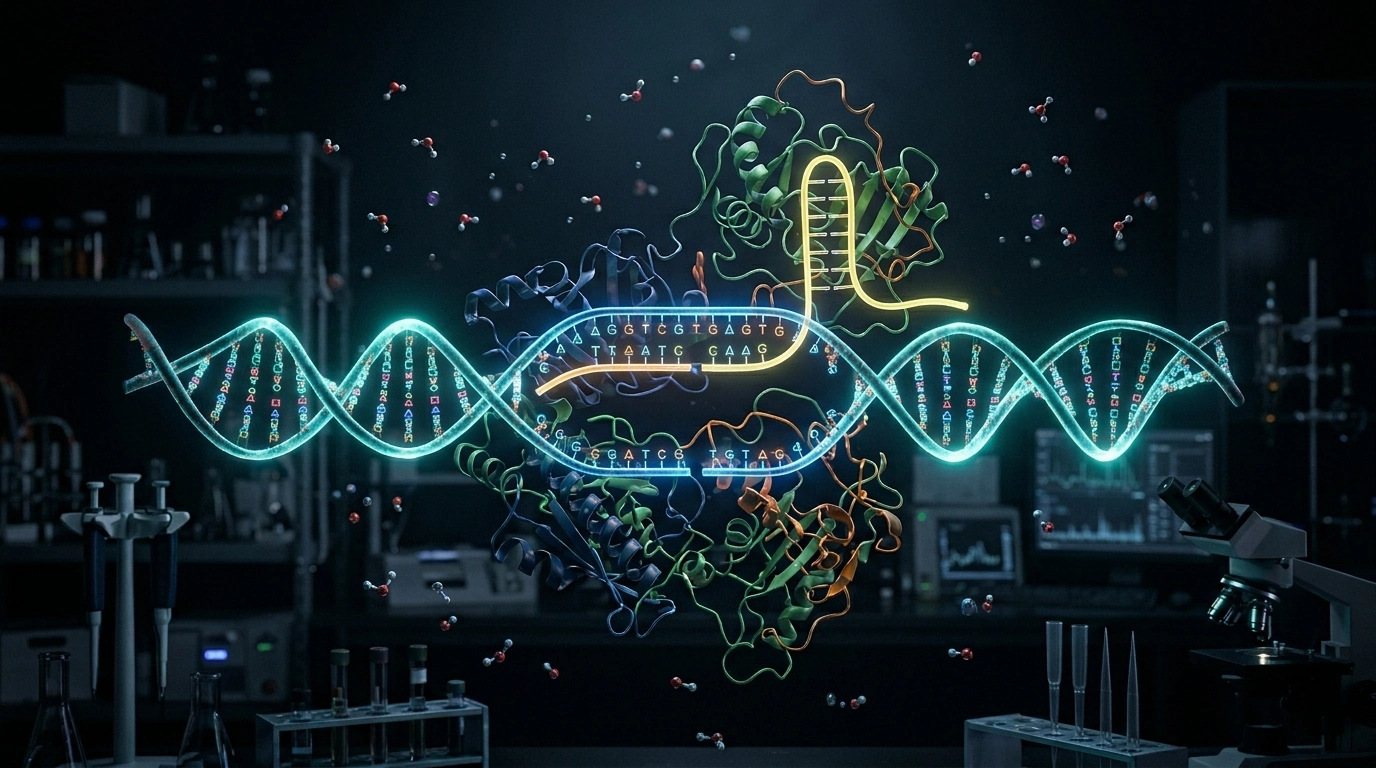
CRISPR (Clustered Regularly Interspaced Short Palindromic Repeats) stands for a family of DNA sequences found in bacteria. These sequences have been co-opted by scientists to create a powerful gene editing tool, which works by exploiting the natural defense mechanisms of bacteria.
To understand how CRISPR gene editing works, it's essential to grasp the concept of the "defense mechanism" mentioned above. In simple terms, when bacteria encounter foreign DNA, they use their CRISPR system to identify and cut it up into small pieces. This process is crucial for protecting the bacterial cell from viral infections.
Here's a step-by-step explanation of how scientists have adapted this natural defense mechanism:
1. Identification: The CRISPR system identifies a specific DNA sequence (the "target") that is being targeted for modification.
2. Guide RNA: A small RNA molecule, known as the guide RNA (gRNA), is designed to bind specifically to the target DNA sequence.
3. Enzyme: An enzyme called Cas9 (CRISPR-associated protein 9) is used to cleave the DNA at the targeted location.
4. Repair: The cell's natural repair machinery is then activated, allowing researchers to introduce specific changes to the DNA sequence.
This process can be repeated multiple times to achieve precise modifications to a gene or entire genome.
How Does CRISPR Gene Editing Work?
To understand the science behind CRISPR, let's break down its key components:
DNA sequencing: The first step in using CRISPR is to determine the DNA sequence of the target region. This can be done through various methods, including next-generation sequencing (NGS) or PCR (polymerase chain reaction). DNA sequencing involves determining the order of nucleotides (A, C, G, and T) within a specific segment of DNA.
Guide RNA design: Researchers must design a gRNA that specifically targets the desired location within the genome. This requires an understanding of the target sequence's specificity and the potential for off-target effects.
Cas9 enzyme: The Cas9 enzyme is responsible for cleaving the DNA at the targeted location. This creates a double-stranded break, which triggers the cell's repair machinery.
Here are some key features and benefits of CRISPR gene editing:
• High precision: CRISPR allows researchers to target specific genes or regions within the genome with unprecedented accuracy.
• Flexibility: The technology can be used to introduce, delete, or modify DNA sequences in a wide range of organisms, from bacteria to humans.
• Efficiency: CRISPR is often faster and more efficient than traditional gene editing techniques.
Is CRISPR Gene Editing Safe?
As with any powerful technology, there are concerns about the safety of CRISPR. While scientists have made significant progress in refining the technique, there are still potential risks to consider:
Off-target effects: The Cas9 enzyme can sometimes cleave unintended DNA sequences, leading to unwanted mutations.
Mosaicism: When using CRISPR to edit human embryos, it's possible for some cells to remain unedited, potentially leading to genetic mosaicism. Genetic mosaicism refers to the presence of different genotypes within an individual, which can occur when there is incomplete or unequal DNA repair.
Gene drive: If a gene is introduced into a wild population through CRISPR, it could spread rapidly and uncontrollably, posing risks to ecosystems.
To mitigate these risks, researchers are developing new strategies for improving the precision of CRISPR, such as using alternative enzymes or modifying the gRNA design. These advancements aim to minimize off-target effects and ensure that CRISPR is used safely in various applications.
Ethics Considerations
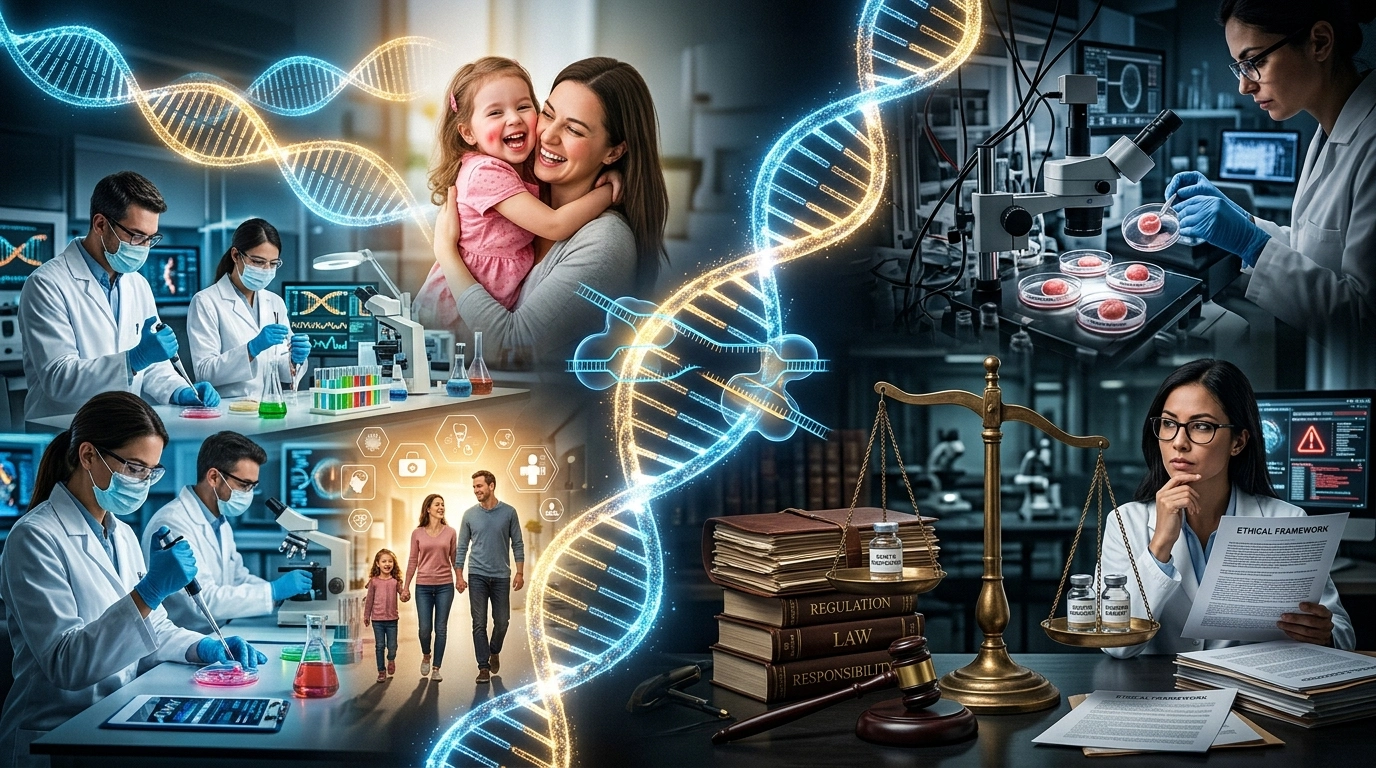
As scientists continue to explore the potential applications of CRISPR, they must also address a range of ethics concerns. Some key issues include:
Gene editing in humans: Should we use CRISPR to modify human embryos for non-therapeutic purposes? This raises questions about the boundaries between therapeutic and non-therapeutic uses of gene editing.
Gene drive: How can we prevent the spread of gene drives in wild populations?
Patenting and access: Who should have control over the technology, and how can it be made accessible to researchers worldwide?
These ethics concerns highlight the need for careful consideration and open discussions among scientists, policymakers, and the public. By engaging with these issues, we can ensure that CRISPR is used responsibly and for the betterment of society.
Conclusion
CRISPR gene editing has revolutionized our ability to manipulate DNA sequences with unprecedented precision. While this technology holds tremendous promise for treating genetic diseases and improving crop yields, it also raises complex ethics concerns that must be carefully considered.
As we navigate the science and ethics of CRISPR, it's essential to engage in open and informed discussions about its potential applications and risks. By doing so, we can ensure that this powerful tool is used responsibly and for the betterment of society as a whole.
Future Directions
As research continues to advance our understanding of CRISPR gene editing, several key areas are likely to emerge:
Improved precision: Development of new enzymes or gRNA designs to reduce off-target effects.
Gene drive regulation: Strategies for controlling gene drives in wild populations.
Access and equity: Initiatives to make the technology accessible to researchers worldwide.
By exploring these topics further, we can continue to push the boundaries of what's possible with CRISPR and ensure that this powerful tool is used responsibly to benefit humanity.
This Article was made with AI assistance and human editing.


