

Why Amazon, Etsy, Shopify, Nike, and Chewy Once Sounded Weird
Most people assume great brands were obvious from day one.
They weren't.
Imagine hearing the word Amazon in the early 1990s. No online marketplace. No Prime delivery. No trillion-dollar empire. Just a strange word borrowed from a river.
The same goes for Etsy. Shopify. Chewy. Even Nike.
Today these names feel inevitable. But decades ago, they sounded unusual, even risky.
The funny thing about branding is that success changes how people remember names. Once a company becomes familiar, the name starts feeling like it was always perfect.
Great brands rarely begin with obvious names. They become obvious after millions of interactions, stories, emotions, and experiences.
That idea changes how founders should think about ecommerce domain name ideas.
Because products evolve.
Categories change.
Markets shift.
But names often survive generations.
What if the side project you're building today becomes something much bigger five years from now?
What if the domain name you register this week becomes your most valuable digital asset?
In fact, a strong domain can influence trust, memorability, and long-term growth more than most founders realize. Learn more in our guide on how a great domain name can make or break your online business.

That possibility is why naming deserves far more thought than most entrepreneurs give it.
The Hidden Reason Some Brands Feel Premium Instantly
Some names create trust before customers even see a product.
Others feel cheap the moment they're spoken.
The difference often comes down to psychology rather than keywords.
Sound Psychology
Human brains naturally attach emotions to sounds.
Short, smooth words feel easier to process. Soft consonants often create warmth, while sharper sounds communicate energy.
Chewy sounds friendly.
Glossier feels elegant.
Gymshark feels powerful.
None of these names explain exactly what they sell, yet they trigger emotional associations.
Simplicity Creates Confidence
Complicated names demand effort.
Simple names feel trustworthy.
Customers don't consciously think about this, but cognitive fluency matters. People prefer things that are easier to understand and pronounce.
A clean domain often feels more premium than a descriptive sentence stuffed with keywords.
Emotional Associations Matter More Than Descriptions
People don't remember technical details.
They remember feelings.
Nike doesn't mean shoes.
Amazon doesn't mean ecommerce.
Shopify doesn't mean software.
Yet those names now carry powerful emotional identities.
That is why modern ecommerce branding focuses less on explaining and more on creating memorable experiences.
Trust Factors Hidden Inside Names
Short domains feel established.
Clear pronunciation builds confidence.
Consistent spelling reduces friction.
Easy recall increases word-of-mouth referrals.
Customers subconsciously equate familiarity with reliability.
Pronunciation Psychology
If customers hesitate before saying your brand name, they hesitate before recommending it.
The strongest ecommerce website names usually pass a simple test.
Someone hears it once and repeats it correctly.
That's powerful.
Because word-of-mouth still beats advertising.
Many of the world's most recognizable brands benefit from domain names that are easy to remember and recommend. If you're still evaluating your options, explore our breakdown of the best domain registrars for small businesses in 2026.

A Strange Pattern Behind Today's Fastest-Growing Ecommerce Brands
Something interesting happened over the last decade.
The biggest ecommerce brands stopped trying to describe everything.
Instead, they focused on being memorable.
Why Startups Avoid Keyword-Heavy Names
Years ago, founders chased exact-match domains.
CheapShoesOnline.com.
BestPetProductsStore.com.
DiscountKitchenSuppliesShop.com.
Those names might explain products, but they rarely build identities.
And identities outlast products.
Why Short Brands Dominate
Short names travel better.
They're easier to type.
Easier to remember.
Easier to print on packaging.
Easier to share during conversations.
In a world flooded with information, simplicity wins.
Voice Search Changed Branding
People increasingly speak brand names instead of typing them.
Alexa, Siri, and AI assistants reward names that are easy to pronounce and understand.
Long complicated domains create friction.
Short names create momentum.
AI Branding Trends Are Changing Naming Psychology
AI-generated products and content have increased the value of human-sounding brands.
People crave personality.
Warmth.
Community.
Names that feel less robotic often create stronger loyalty.
Community-First Brands Win Attention
The best brands no longer sell products.
They create tribes.
Customers join identities.
People don't just buy Gymshark clothing.
They become part of a movement.
That emotional belonging starts with the name.

The First Impression Test
Before registering a domain, smart founders run several mental experiments.
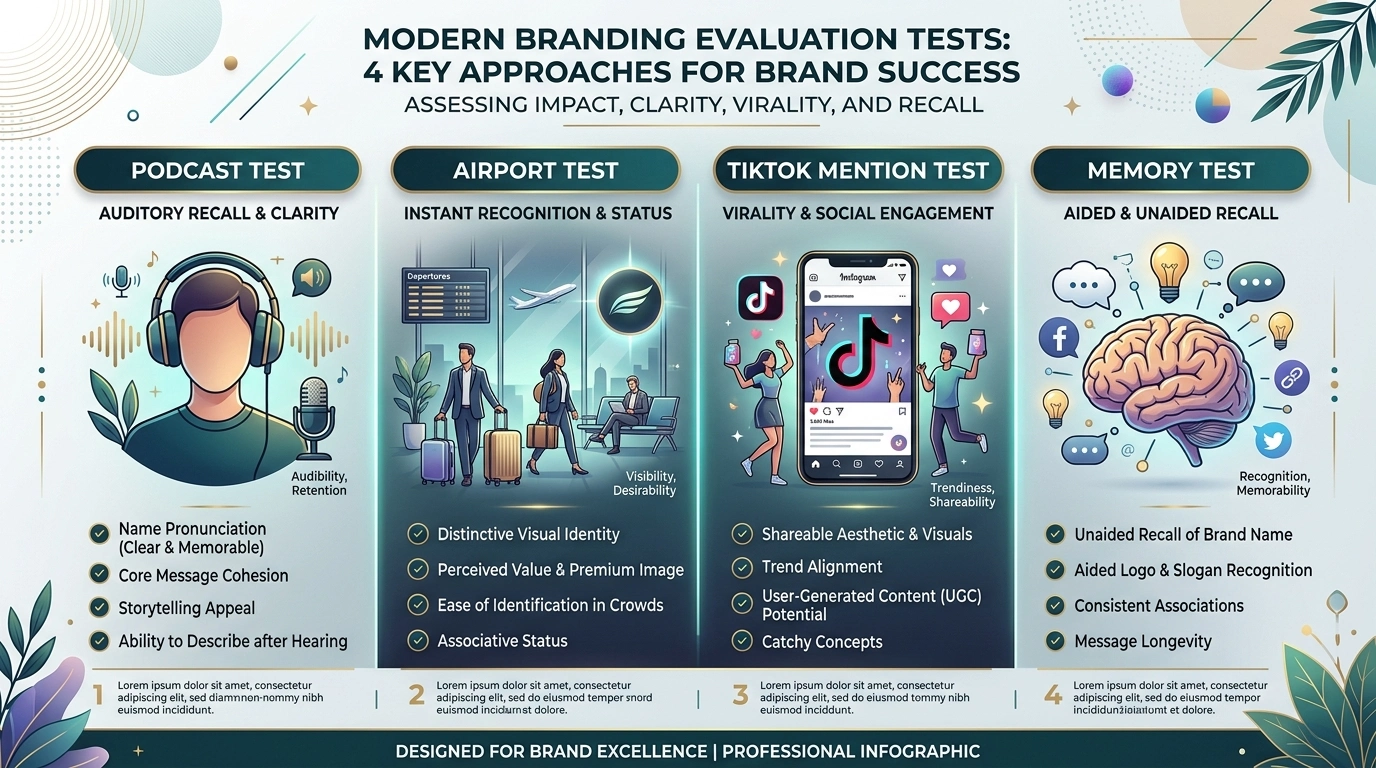
The Podcast Test
If someone mentions your store on a podcast, can listeners spell it correctly without seeing it?
If not, you're losing potential traffic.
The Airport Test
Imagine telling someone your brand name in a noisy airport.
Do they understand immediately?
Strong names survive chaos.
The TikTok Mention Test
Would creators naturally say your brand out loud?
Can influencers mention it without awkward explanations?
If yes, you've created an advantage.
The Logo Test
Can you imagine the name on packaging, labels, invoices, and ads?
Some names instantly feel visual.
Others feel cluttered.
The Memory Test
The greatest ecommerce branding strategy is simple.
Be remembered.
Not understood instantly.
Not keyword optimized beyond recognition.
Remembered.
Why Certain Names Spread Without Advertising
People share stories.
People share emotions.
People share identities.
And names become part of those conversations.
Amazon
Amazon feels limitless. The name creates a sense of scale and discovery. It invites curiosity.
Etsy
Etsy feels handmade, personal, and creative. Its uniqueness makes it memorable.
Shopify
Shopify combines familiarity with friendliness. It sounds approachable instead of technical.
Chewy
Chewy creates warmth and affection. Pet owners instantly understand the emotional tone.
Allbirds
The name feels natural and approachable. It reflects simplicity and comfort.
Glossier
Elegant sounds create premium perceptions. The brand feels stylish before customers even see products.
Gymshark
Strength and ambition are built directly into the emotional experience.
Fashion Nova
Modernity and excitement combine to create memorability.
Temu
Its simplicity makes it easy to pronounce globally. Curiosity does the rest.
The pattern becomes obvious.
People remember feelings, not keywords.
And that's why finding the best ecommerce domain names isn't really about SEO.
It's about building something future customers will enjoy saying.
Because great brands don't simply sell products.
They become part of people's lives.
Reverse Engineering Billion-Dollar Names
Every founder has experienced the same strange feeling.
You hear a famous brand name and think, of course that works.
But if you traveled back to the day those companies were born, many of those names would sound unusual, incomplete, or even confusing.
The truth is uncomfortable and inspiring at the same time.
People rarely fall in love with names immediately.
They fall in love with stories, experiences, and emotions. Over time, the name absorbs those feelings.
That's why the world's biggest brands often look surprisingly simple.
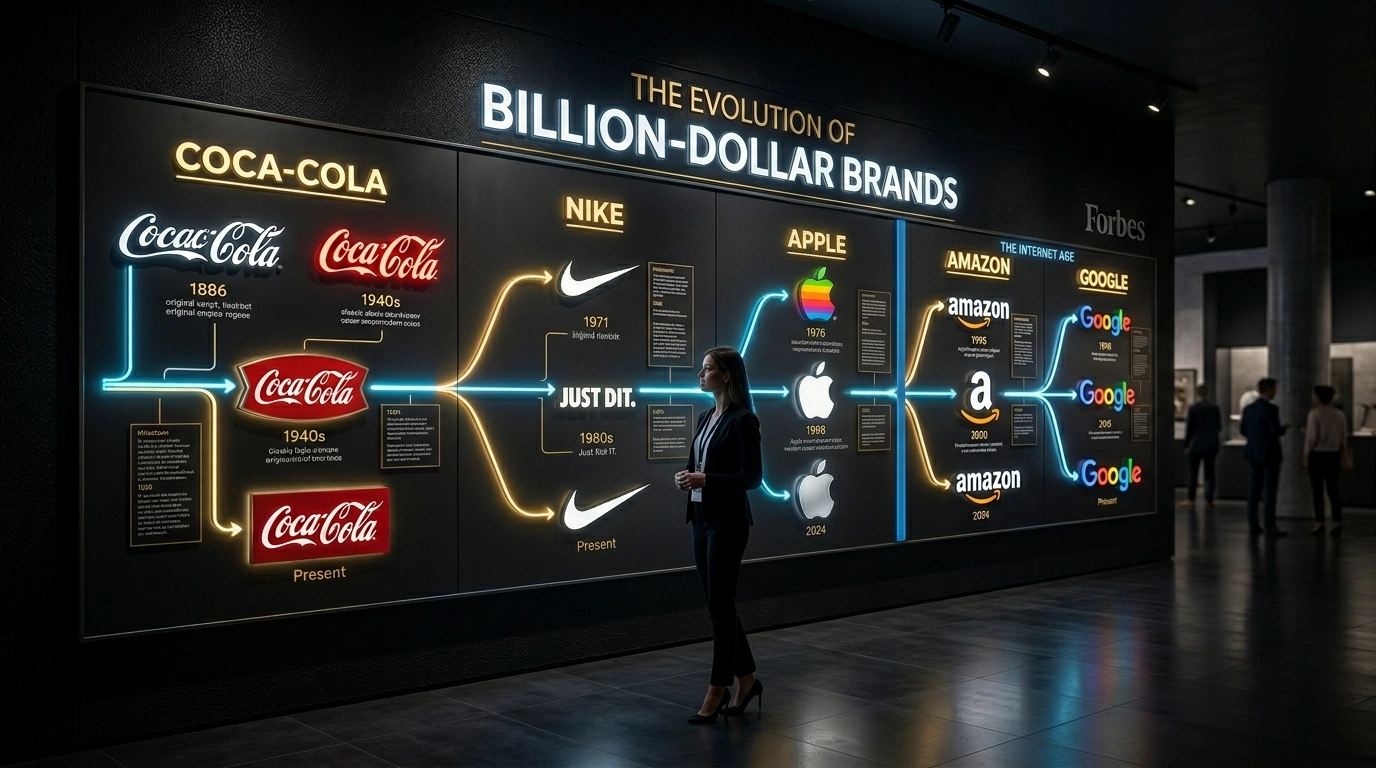
Nike: A Word That Became an Emotion
Nike wasn't chosen because it explained shoes.
The name comes from the Greek goddess of victory.
Today, hearing the word immediately triggers feelings of performance, ambition, and achievement.
The lesson is powerful.
People don't buy shoes.
They buy identity.
Amazon: Bigger Than Books
Jeff Bezos could have chosen something descriptive like OnlineBookStore.com.
Instead, he selected a name inspired by the world's largest river.
The symbolism mattered.
Scale. Discovery. Endless possibilities.
The name allowed expansion far beyond books.
That flexibility became one of the company's greatest assets.
Etsy: Meaning Created Through Experience
Etsy didn't have obvious meaning when it launched.
That turned out to be an advantage.
The company created its own meaning over time.
Today, Etsy feels synonymous with handmade products, creativity, and independent makers.
The brand wasn't trapped inside a category.
It created one.
Shopify: Friendly Technology Wins
Software companies often sound cold and technical.
Shopify feels different.
The name sounds approachable.
Friendly.
Helpful.
It lowers resistance.
That's one reason millions of entrepreneurs embraced the platform.
Warby Parker: Human Names Create Personality
Warby Parker sounds like a person.
Human-sounding names create trust because they feel familiar.
The brand instantly feels established, even if customers know nothing about eyeglasses.
This explains why founder-driven brands often use names that feel conversational rather than descriptive.
Casper: Comfort Hidden Inside a Name
Casper sounds soft, approachable, and comforting.
Perfect qualities for a sleep company.
The emotional tone matters more than direct explanation.
MVMT: Minimalism Created Curiosity
Removing vowels made the name modern and distinctive.
It created mystery.
Customers remembered it because it looked different.
Sometimes standing out matters more than explaining everything.
Glossier: Luxury Through Sound
Glossier sounds elegant.
The word itself feels premium.
That's the hidden power of sound psychology.
Before customers experience products, they experience names.
Why People Trust Them
Simple names feel established.
Consistent pronunciation creates confidence.
Memorable sounds reduce friction.
Human brains reward familiarity.
Trust often starts long before the first purchase.
Why Simplicity Wins
The internet is noisy.
Customers forget complicated things.
Simple brands survive because they're easier to remember, easier to type, and easier to share.
That's why many of the best ecommerce domain names are surprisingly short.
Why Unusual Names Age Better
Keyword-heavy names often become outdated.
Trends change.
Products evolve.
But unusual names have room to grow.
Amazon expanded beyond books.
Shopify became bigger than software.
Great brands leave doors open.
Why Emotions Outperform Keywords
People don't recommend products because of search phrases.
They recommend brands that make them feel something.
Excitement.
Belonging.
Confidence.
Identity.
Emotions create memories.
Memories create referrals.
Naming Trends Nobody Predicted In 2026
The rules of branding are changing again.
Something fascinating is happening.
As AI tools make content easier to create, memorable names are becoming even more valuable.
The future belongs to brands people enjoy talking about.

AI-Inspired Names
Artificial intelligence has influenced naming trends in unexpected ways.
Founders increasingly choose names that sound futuristic without feeling robotic.
Words like Nova, Flux, Syno, Luma, and Vero communicate innovation while remaining approachable.
The challenge isn't sounding technical.
It's sounding human.
Human-Sounding Brands Are Winning
Customers crave personality.
Brands that feel conversational often outperform corporate-sounding alternatives.
Names like Casper, Warby Parker, and Chewy feel friendly.
People naturally trust things that feel human.
Community Brands Are Becoming Stronger
The best businesses no longer sell products.
They create belonging.
Gymshark built a fitness community.
Glossier built a beauty movement.
Allbirds created environmentally conscious fans.
Communities amplify word-of-mouth marketing.
And names become flags people rally around.
Short Compound Names Continue to Dominate
Two-word combinations are everywhere.
Moon Nest.
Urban Hive.
Pure Haven.
Bright Loft.
These combinations create memorable identities without relying on generic keywords.
They're flexible and easy to expand.
Creator-Led Brands Are Influencing Naming Psychology
Consumers increasingly connect with personalities rather than corporations.
This shift has made authentic names more important than ever.
People want brands that feel relatable.
Not faceless.
Not over-optimized.
Not artificial.
Premium .com Domains Still Matter
Despite hundreds of extensions entering the market, .com remains the gold standard.
Customers trust it.
Investors recognize it.
Media outlets expect it.
And consumers naturally type it.
That's why premium .com domains for ecommerce continue to hold tremendous long-term value.
The Rise of .store and .shop Extensions
Alternative extensions have matured significantly.
For founders unable to secure their first-choice .com domain, options like .store and .shop offer creative flexibility.
These extensions work particularly well for niche ecommerce website names and creator-led businesses.
Still, many experienced founders eventually acquire the matching .com when growth accelerates.
Because brands evolve.
Products change.
Markets shift.
But names often become assets that outlive everything else.
And somewhere in the middle of your brainstorming session, it's worth asking yourself one question.
What if this small idea becomes much bigger than you expect?
Before You Brainstorm 100 Names, Use These 5 Filters
Most entrepreneurs start with excitement.
They open a notebook, ask AI for ideas, and spend hours searching for the perfect brand.
But experienced founders know something beginners often learn the hard way.
A great name is not the one you love most.
It's the one that survives reality.
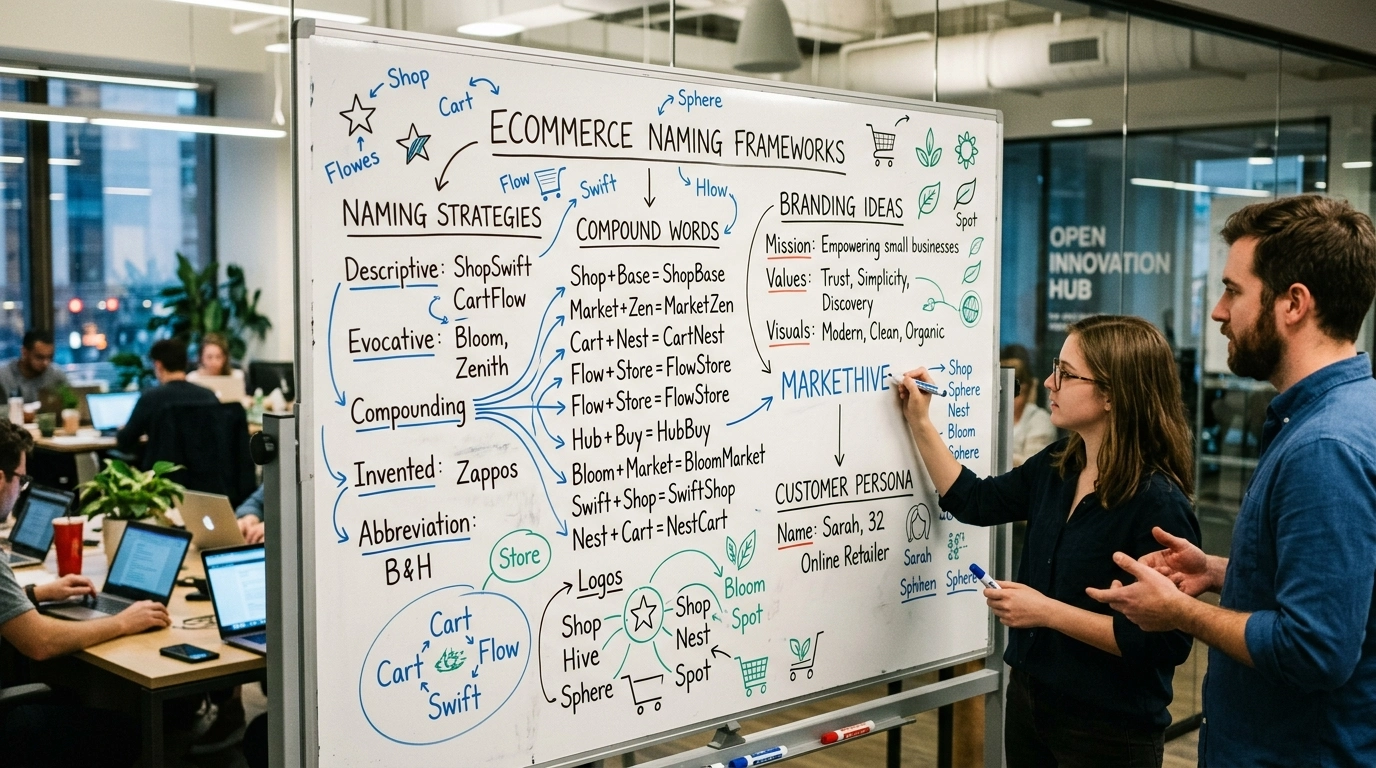
Before falling in love with any ecommerce domain name ideas, run every candidate through these five filters.
1. The Memory Test
If someone hears your brand name once, will they remember it tomorrow?
Memorability creates referrals.
Referrals create growth.
Ask yourself:
Can people spell it easily?
Does it sound natural?
Would they remember it after hearing it once?
If the answer is no, the name may become expensive to market.
2. The Spelling Test
Creative spellings can backfire.
Removing vowels, adding unnecessary letters, or using unusual characters may look clever today but create confusion tomorrow.
If customers constantly ask, "How do you spell that?" you've introduced friction.
Strong brands remove friction.
3. The International Test
The internet has no borders.
A small store serving one country today may attract global customers tomorrow.
Before choosing a name, check whether it:
Has negative meanings in other languages.
Is easy to pronounce internationally.
Works across different cultures.
Feels professional worldwide.
The last thing any founder wants is discovering an embarrassing translation after launch.
4. The Future Expansion Test
This filter saves entrepreneurs from painful rebrands.
Imagine starting with DogToyWorld.com.
What happens when you expand into cat products?
Or supplements?
Or home accessories?
Products change.
Markets evolve.
Names should leave room for growth.
That's why broad, brandable ecommerce names often outperform descriptive domains.
5. The Domain Availability Test
The perfect name means nothing if the domain is unavailable.
Thousands of founders have experienced the heartbreak.
Hours spent brainstorming.
The excitement.
The vision.
Then suddenly:
Domain taken.

Checking availability early prevents emotional attachment to names you can't own.
That's one reason successful entrepreneurs secure domains quickly once they find strong candidates.
Real Naming Mistakes Entrepreneurs Regret
Behind many successful brands are stories founders rarely talk about.
Expensive mistakes.
Missed opportunities.
Years lost fixing avoidable problems.
Let's explore the ones that appear most often.
Domains Already Taken
Many founders spend weeks building around names they can never acquire.
Eventually they settle for awkward alternatives.
Adding extra words.
Adding hyphens.
Adding random numbers.
Every compromise weakens memorability.
The lesson is simple.
Check domain availability first.
Trademark Conflicts
Few things are more painful than receiving a legal notice after investing in logos, packaging, and marketing.
A name can sound original and still violate trademarks.
Skipping this step has forced countless startups into expensive rebranding projects.
Generic Names Become Invisible
Generic names feel safe.
But safe often means forgettable.
Names like BestFashionStoreOnline or CheapPetProducts disappear inside a sea of competitors.
Customers rarely develop emotional connections with generic phrases.
Memorable online business names stand out because they create identity, not descriptions.
Trendy Names Age Poorly
Some names are built around short-term trends.
Buzzwords.
Memes.
Internet slang.
What feels cool in 2026 may feel outdated by 2030.
The strongest brands think in decades, not months.
Losing Social Handles
Your domain is only part of the equation.
Imagine securing the perfect website but discovering every major social handle belongs to someone else.
Suddenly consistency disappears.
Customers become confused.
Brand recall suffers.
Modern branding requires digital alignment across platforms.
Underestimating Rebranding Costs
Changing a name sounds easy.
In reality, it's expensive.
New packaging.
New logos.
New ads.
Lost SEO rankings.
Customer confusion.
Months rebuilding trust.
Some companies spend millions correcting naming mistakes that could have been avoided with better planning.
That's why experienced founders view domains differently.
They don't see a domain name as a small purchase.
They see it as infrastructure.
An asset.
A foundation that may support a business for decades.
Because products change.
Algorithms change.
Platforms change.
But a great name has the potential to outlive them all.
The Modern Startup Naming Framework
People often assume memorable brands appear through inspiration.
In reality, many successful founders follow repeatable frameworks.
A great name is rarely magic. It is usually the result of patterns, experimentation, and patience.
Instead of waiting for lightning to strike, use these systems to create brandable ecommerce names with long-term potential.
The Prefix Framework
Adding powerful prefixes creates personality and meaning.
Popular examples include:
Nova
Pure
Urban
Ever
Bright
Luna
True
Prime
Combine them with emotional words to create memorable combinations.
Examples:
Nova Haven
Ever Bloom
Urban Nest
Bright Meadow
The Suffix Framework
Suffixes influence how premium and modern a brand feels.
-ly
-ify
-ora
-io
-verse
-lab
-works
Examples:
Glowora
Petlify
Nestverse
Lunaworks
The Compound Word Framework
Some of the best ecommerce domain names combine two simple ideas.
Examples include:
Moon Haven
Wild Bloom
Urban Hive
Pure Loft
Silver Nest
Bright Harbor
Compound brands are memorable because they feel familiar yet distinctive.
The Story Framework
Great brands tell stories.
Instead of describing products, describe emotions, dreams, or identities.
Examples:
North Journey
Golden Path
True Origin
Hidden Harbor
The Foreign Word Framework
Beautiful words from other languages can create elegant brands.
Examples:
Vida Nest
Luna Casa
Bella Harbor
Terra Bloom
Always verify pronunciation and cultural meanings before committing.
The AI Naming Framework
Modern startups increasingly favor names that sound futuristic yet human.
Examples:
Lumora
Verixa
Noviq
Fluxera
Synova
100+ Ecommerce Domain Name Ideas
Fashion Brand Domain Name Ideas
Velora
Urban Thread
Mode Haven
Nova Stitch
Silk Harbor
Thread Aura
Moon Vogue
Ever Style
Wild Wardrobe
Modern Muse
Velvet Nest
North Wear
Beauty Brand Domain Name Ideas
Glowora
Bloom Ritual
Pure Aura
Luna Beauty
Golden Glow
Radiant Nest
Velora Skin
Rose Theory
True Bloom
Glow Harbor
Beauty Meadow
Silk Essence
Home Decor Domain Name Ideas
Cozy Harbor
Urban Nest
Oak Haven
North Home
Pure Loft
Moon Interior
Rustic Theory
Ever Living
Bright Dwelling
Wood Bloom
Nest Haven
Golden Cottage
Pet Brand Domain Name Ideas
Paw Haven
Petory
Happy Tail
Fur Nest
Wild Paw
Pawsmith
Tail Harbor
Purr Bloom
True Pet Co
Paw Meadow
Pet Harbor
Happy Whisker
Fitness Brand Domain Name Ideas
Peak Motion
Flex Harbor
Iron Bloom
True Strength
Core Theory
Pulse Harbor
Fitverse
Motion Forge
Wild Energy
Prime Motion
North Strength
Lift Harbor
Electronics Brand Domain Name Ideas
Voltora
Nova Circuit
Tech Harbor
Bright Logic
Synova Labs
Fluxora
Prime Circuit
Next Harbor
Lumiq
Tech Meadow
True Pixel
Volt Nest
Luxury Brand Domain Name Ideas
Maison Velora
Golden Crest
Ivory Harbor
Royal Meadow
Elite Nest
Velvet Crown
Silver Theory
Maison Bloom
Luxe Harbor
Pure Prestige
Crown Aura
North Elite
Jewelry Brand Domain Name Ideas
Luna Gems
Golden Spark
Silver Bloom
Velora Jewels
Radiant Stone
Pearl Harbor Co
Moon Crystal
Aurora Gem
True Diamond
Bright Pearl
Elegant Stone
Gem Meadow
Kids Brand Domain Name Ideas
Little Harbor
Tiny Bloom
Happy Nest Kids
Dream Cub
Sunny Meadow
Play Harbor
Little Moon
Wonder Sprout
Tiny Theory
Bright Cub
Joy Nest
Happy Path Kids
General Online Store Name Ideas
Ever Harbor
North Bloom
Urban Meadow
True Haven
Bright Nest
Prime Theory
Moon Harbor
Golden Path
Wild Harbor
Nova Nest
Pure Journey
Bright Aura
North Theory
True Meadow
Silver Harbor
Ever Theory
Urban Bloom
Golden Harbor
Pure Nest
Bright Haven
These are not just startup naming ideas.
They are seeds.
Some will remain side projects.
Some may evolve into brands customers recognize around the world.
And one day, one of those names might feel as obvious as Amazon or Shopify do today.
The strange thing about great brands is that they always seem inevitable in hindsight.
A 10-Minute Domain Checklist Before Falling In Love With a Name
The excitement of discovering a great name can make founders rush.
That's understandable.
Every entrepreneur has experienced that moment when a name suddenly feels right.
But before ordering packaging, designing logos, or telling friends, spend ten minutes protecting your future self.

Check .com Availability First
Premium .com domains still carry trust and familiarity. Customers naturally type .com, and investors often expect it.
If your preferred domain isn't available, explore alternatives before becoming emotionally attached.
If you already have a few names in mind, don't wait too long. Great domains disappear every day. See what's still available.
Look at Social Handles
Consistency matters.
Having matching usernames across Instagram, TikTok, YouTube, Pinterest, and X strengthens recognition and reduces confusion.
Brand recall becomes easier when everything feels unified.
Search Trademark Databases
Trademark issues can turn excitement into frustration.
Always verify that your name doesn't conflict with existing businesses in your target markets.
Prevention is significantly cheaper than rebranding.
Explore Alternative Extensions
While .com remains the first choice, extensions like .store, .shop, .co, .io, and .ai have become increasingly accepted.
Many modern ecommerce founders secure multiple extensions for long-term protection.
Think Beyond Today's Products
Your first products may not define your future business.
Ask yourself:
Will this name still make sense in five years?
Can I expand into new categories?
Will international customers understand it?
Protect Privacy Early
Domain privacy is often overlooked by beginners.
Protecting personal information from public databases creates peace of mind and helps maintain professionalism.
Why Many Founders Naturally End Up Using Namecheap
After brainstorming hundreds of ecommerce domain name ideas, most entrepreneurs face the same challenge.
Finding an available domain quickly.
Comparing extensions.
Protecting privacy.
Keeping costs reasonable.
Namecheap Domains have become popular among startup founders because the platform focuses on simplicity rather than complexity.
If you've narrowed your shortlist to a few strong names, it's worth checking availability before somebody else claims them. Namecheap Domains make it easy to search multiple extensions, compare options, and secure a brand early. Check domain availability here.
If you're comparing providers before registering a domain, you may also find our detailed Namecheap hosting review and setup guide useful.
Features that many founders appreciate include:
Beast Mode Search for discovering available names faster.
Free lifetime Whois privacy on eligible domains.
Competitive pricing across .com, .net, .org, .co, .io, and .ai extensions.
Easy setup for first-time entrepreneurs.
A straightforward interface without unnecessary friction.
Sometimes the smartest move is simple.
When you discover a strong name, secure it before someone else does.
Because ideas spread quickly.
And available domains disappear even faster.
Should You Buy Multiple Domain Extensions?
Smart founders often think defensively.
Not because they expect problems.
Because they understand growth.
Buying multiple extensions can help:
Protect brand identity.
Prevent competitors from using similar domains.
Reduce customer confusion.
Create future flexibility.
Many businesses secure:
.com
.net
.org
.co
.store
The investment may feel unnecessary at first.
Until growth makes those domains valuable.
Questions Smart Founders Ask Before Registering
Instead of asking, "Will this name rank on Google?" experienced entrepreneurs ask different questions.
Would I proudly wear this brand on a T-shirt?
Can customers remember it without seeing it written down?
Does it sound trustworthy?
Will I still love this name five years from now?
Can this brand expand beyond today's products?
Does it create emotions rather than simply descriptions?
Those questions reveal something important.
Names are not just labels.
They're promises.
They're identities.
They're stories waiting to happen.
Imagine Seeing Your Brand Five Years From Now
Imagine opening your laptop five years from today.
You search for your company name.
Customers are posting reviews.
People mention your products on podcasts.
Influencers recommend your store.
Someone uploads an unboxing video.
A stranger on the other side of the world wears something carrying your logo.
And suddenly that strange little name you almost ignored feels completely natural.
Just like Amazon.
Just like Etsy.
Just like Shopify.
Because great brands always feel obvious after they've become part of people's lives.
The products may change.
The algorithms may change.
The trends may change.
But names survive.
Sometimes for decades.
Sometimes for generations.
Which means the domain you register today might become far more than a website.
It might become the foundation of something customers remember long after the first sale.
If you already have a few names in mind, don't wait too long. Great domains disappear every day, and securing the right one early can save you headaches later. See what's still available.

And that's why choosing among thousands of ecommerce domain name ideas isn't really about finding a clever phrase.
It's about giving your future brand a name worthy of the story you're about to build.
Frequently Asked Questions
How do I choose a good ecommerce domain name?
A good ecommerce domain name should be memorable, easy to spell, simple to pronounce, and flexible enough to support future growth. Strong brands focus on identity rather than keyword stuffing.
Should I use keywords in my ecommerce domain name?
Keywords can provide clarity, but modern ecommerce brands prioritize memorability and brand identity. Many successful companies built recognizable brands without keyword-heavy domains.
Is a .com domain still the best choice for ecommerce?
Yes. A .com domain remains the most trusted and widely recognized extension. However, .store, .shop, .co, .io, and .ai are also viable alternatives when the ideal .com is unavailable.
How many domain extensions should I buy?
Many founders secure the .com version first and then purchase additional extensions like .net, .co, or .store to protect their brand and prevent confusion.
What are common mistakes when choosing an ecommerce domain name?
Common mistakes include choosing names that are too generic, difficult to spell, impossible to pronounce, tied to a single product category, or conflicting with trademarks and social media handles.
How can I check whether a domain name is available?
Domain registrars allow you to search availability across multiple extensions. Many entrepreneurs use Namecheap's Beast Mode Search to compare options and secure domains quickly.
Can I change my domain name later?
Yes, but rebranding can be expensive. A domain change may affect SEO rankings, marketing materials, customer recognition, and packaging, making it better to choose carefully from the beginning.
What makes an ecommerce brand name memorable?
Memorable brand names are short, easy to pronounce, emotionally engaging, and distinctive. People remember feelings and experiences more than descriptive keywords.
Conclusion
Choosing among thousands of ecommerce domain name ideas isn't really about finding a clever phrase.
It's about building something people will remember.
Great brands rarely sound perfect on day one. Amazon, Etsy, Shopify, and countless other companies prove that names become powerful because of the stories, experiences, and emotions attached to them over time.
Products will change.
Markets will evolve.
Trends will come and go.
But a strong brand name can survive for decades.
That's why the best ecommerce founders think beyond keywords and focus on identity, memorability, and long-term potential.
If you already have a few names in mind, don't wait too long. Great domains disappear every day, and securing the right one early can save you expensive headaches later. See what's still available.
Imagine opening your laptop five years from now and seeing customers talking about your products, creators recommending your brand, and strangers wearing something carrying your logo.
And suddenly that strange little name you almost ignored feels completely natural.
Because great brands always feel obvious in hindsight.
The domain you register today might become far more than a website.
Once you've secured the right domain, the next step is turning it into a real online presence. Our guide on how to start a website in 10 minutes can help you get moving quickly.
It might become one of the most valuable assets your business ever owns.
So choose carefully.
Think long term.
And build something worthy of being remembered.
This Article was made with AI assistance and human editing.


