

Trust is one of the most valuable assets any website can earn. Whether you run a personal blog, an online store, a startup website, or a growing business platform, visitors expect their information to be protected. The moment someone notices a website is not secure, confidence can disappear instantly.
That is why choosing the best SSL certificates for small businesses has become a critical decision in 2026. SSL certificates are no longer optional. They protect sensitive information, help establish credibility, improve customer confidence, and support modern search engine expectations.
In this comprehensive SSL certificate guide, you'll learn how SSL works, the differences between certificate types, and which SSL solutions are best suited for bloggers, businesses, ecommerce stores, and growing brands.
What Is an SSL Certificate and Why Does It Matter?
An SSL certificate is a digital security technology that encrypts data exchanged between a visitor's browser and a website server. This encryption prevents hackers from intercepting sensitive information such as passwords, personal details, payment information, and login credentials.
When a website has a secure website certificate installed, visitors see HTTPS in the browser address bar rather than HTTP.
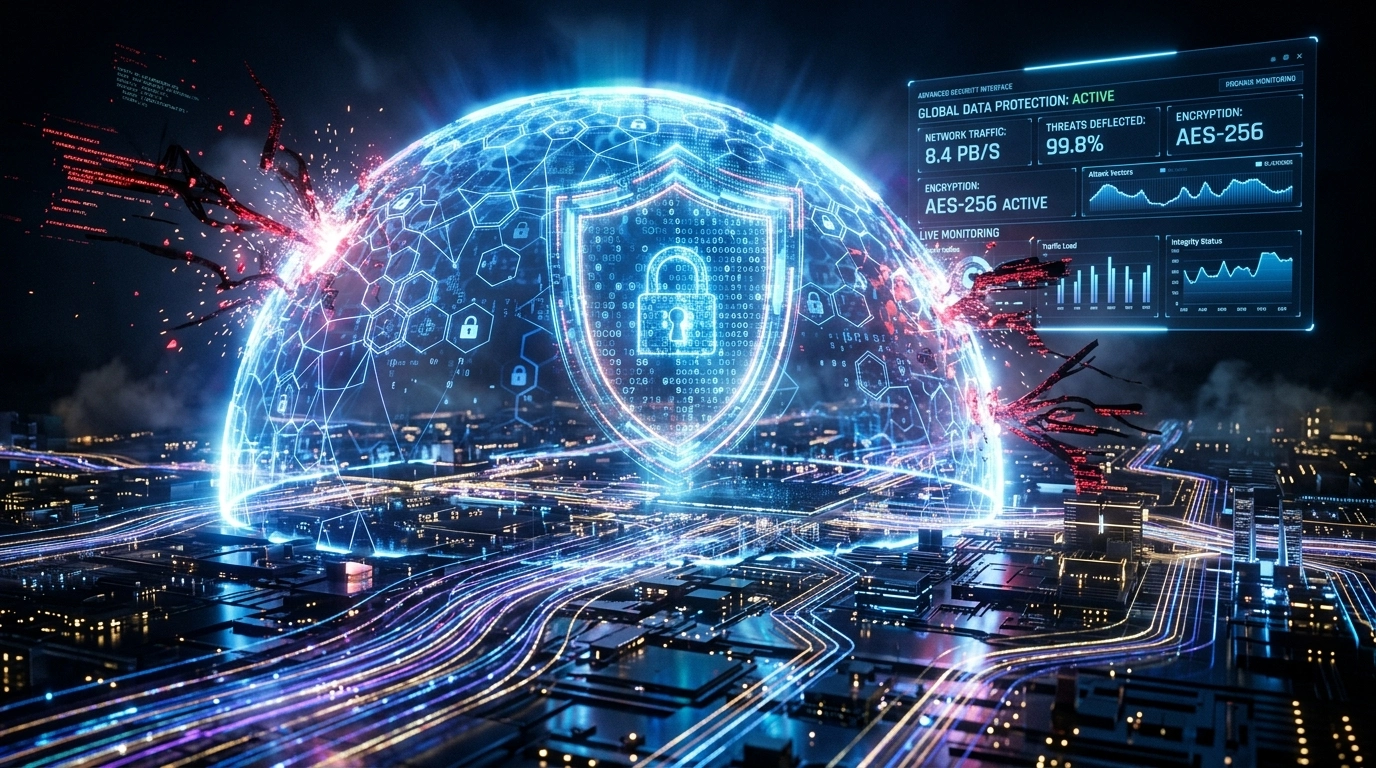
Beyond encryption, SSL certificates help establish trust. Visitors are more likely to engage with websites that demonstrate security and professionalism.
Why Every Website Needs SSL in 2026
Website security standards continue to evolve. Browsers actively warn users when websites are not secured, making SSL essential for maintaining credibility.
Protects customer information
Improves visitor trust
Supports search engine visibility
Secures login forms and contact forms
Protects ecommerce transactions
Helps meet security compliance requirements
Whether you operate a small blog or a large ecommerce platform, website encryption has become a foundational requirement.
How SSL Certificates Protect Your Visitors
SSL certificates use encryption protocols to transform readable information into coded data that unauthorized parties cannot easily access.
This process protects:
Usernames and passwords
Payment information
Email addresses
Personal details
Business communications
Customer records
Without SSL protection, sensitive information can potentially be exposed during transmission.
DV vs OV vs EV SSL Explained
Domain Validation (DV SSL)
DV certificates verify domain ownership. They are quick to issue and ideal for blogs, personal websites, and informational sites.
Best for:
Blogs
Portfolio websites
Affiliate sites
Small informational websites
Organization Validation (OV SSL)
OV certificates verify both domain ownership and business identity. They offer stronger trust signals for professional organizations.
Best for:
Business websites
Corporate websites
Lead generation sites
Professional service providers
Extended Validation (EV SSL)
EV certificates involve the most rigorous verification process. They provide maximum assurance that visitors are interacting with a legitimate business.
Best for:
Ecommerce stores
Financial services
Large brands
Enterprise organizations

Best SSL Certificates for Small Businesses
Choosing the right SSL certificate depends on your goals, website type, and growth plans.
PositiveSSL
PositiveSSL is one of the most popular and affordable DV SSL certificates available. It offers reliable encryption for blogs, affiliate websites, and small business sites.
Ideal for:
Small business websites
Personal projects
Bloggers
Freelancers
EssentialSSL
EssentialSSL is designed for website owners seeking dependable encryption at an entry-level price point.
Ideal for:
Starter websites
Personal brands
New businesses
InstantSSL
InstantSSL provides OV validation, making it suitable for businesses wanting stronger credibility than standard DV certificates.
Ideal for:
Professional companies
Consultants
Agencies
B2B websites
PremiumSSL
PremiumSSL delivers advanced business validation and stronger trust indicators for growing organizations.
Best SSL Certificates for Bloggers
Bloggers often assume SSL only matters for online stores, but every website benefits from encryption and trust.

The best SSL certificate for bloggers is typically a DV certificate such as PositiveSSL or EssentialSSL.
Benefits include:
HTTPS security
Improved reader confidence
Better protection for contact forms
Support for WordPress security best practices
For most WordPress websites, a basic DV certificate is sufficient.
Best SSL Certificates for Ecommerce Stores
Ecommerce businesses face higher security expectations because they process customer information and payments.
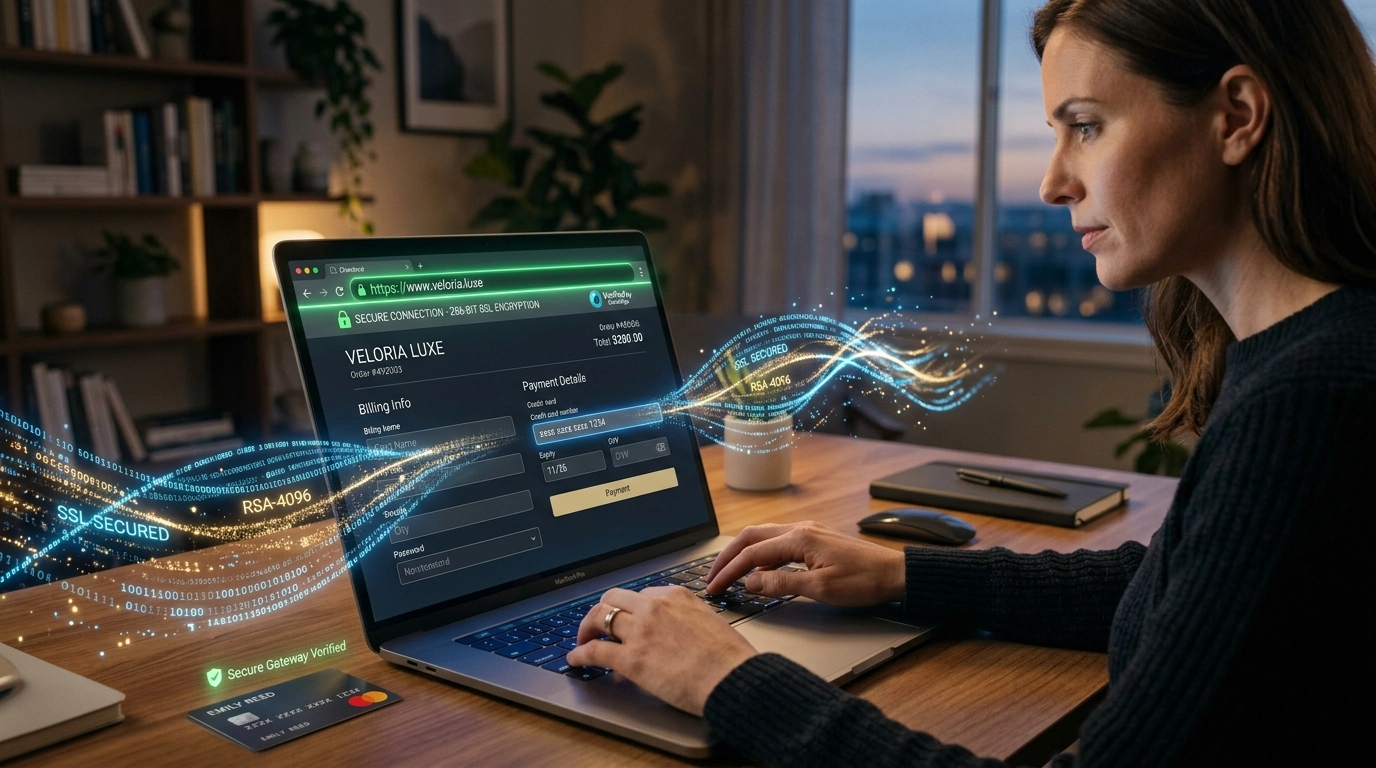
Recommended options include:
InstantSSL
InstantSSL Pro
EV SSL
EV Multi-Domain SSL
These certificates provide stronger validation and enhanced trust for online shoppers.
PositiveSSL Review
PositiveSSL remains one of the most recommended cheap SSL certificates for bloggers and small business owners.
Pros:
Affordable pricing
Fast issuance
Strong encryption
Easy installation
Cons:
Domain validation only
Limited business verification
For most bloggers and informational websites, PositiveSSL offers excellent value.
EssentialSSL Review
EssentialSSL focuses on providing core encryption capabilities without unnecessary complexity. It works well for personal websites, small projects, and basic business websites.
InstantSSL Review
InstantSSL provides organization validation and is well suited for businesses seeking stronger trust signals than DV certificates.
Key advantages include:
Business verification
Professional credibility
Strong encryption standards
PositiveSSL Wildcard Review
If your website uses multiple subdomains, PositiveSSL Wildcard can simplify security management.
Instead of purchasing separate certificates, a wildcard certificate protects:
blog.example.com
shop.example.com
support.example.com
Additional future subdomains
This makes it an excellent solution for growing websites.
EV SSL Review
EV SSL certificates provide the highest level of verification available for public websites. Businesses that rely heavily on customer trust often choose EV SSL for additional credibility.
They are especially valuable for:
Ecommerce brands
Financial services
SaaS platforms
Large organizations
Multi-Domain SSL Certificates Explained
Many businesses manage multiple websites or brands. Multi-Domain SSL certificates allow a single certificate to secure several domains.
Popular options include:
PositiveSSL Multi-Domain
Unified Communications SSL
Multi-Domain SSL
EV Multi-Domain SSL
This approach can simplify administration while maintaining strong security.
How to Choose the Right SSL Certificate
Start by evaluating your website's purpose.
Blog or personal website: PositiveSSL or EssentialSSL
Professional business website: InstantSSL or PremiumSSL
Ecommerce store: EV SSL or InstantSSL Pro
Multiple websites: Multi-Domain SSL
Multiple subdomains: PositiveSSL Wildcard or EssentialSSL Wildcard
The goal is to match certificate validation and functionality to your actual business requirements.
Common SSL Mistakes to Avoid
Choosing the cheapest option without considering needs
Ignoring renewal dates
Failing to secure subdomains
Using a basic certificate for high-trust ecommerce environments
Not redirecting HTTP traffic to HTTPS
A well-planned SSL strategy improves both security and user confidence.
SSL Certificate Buying Guide
When purchasing an SSL certificate, consider:
Validation level required
Number of domains
Number of subdomains
Business verification requirements
Future growth plans
Many website owners compare multiple providers before making a decision. Among the widely recognized options available, Namecheap SSL Certificates offer a broad selection of DV, OV, EV, Wildcard, and Multi-Domain solutions, making it easier to find a certificate that aligns with both budget and security needs. Interested readers can explore available options here: https://namecheap.pxf.io/c/7229777/1184516/5618
Frequently Asked Questions
What is the best SSL certificate for small businesses?
For many small business websites, InstantSSL or PremiumSSL provides a strong balance of security and business credibility.
What is the best SSL certificate for bloggers?
PositiveSSL is often one of the most practical choices because it offers strong encryption at an affordable cost.
Do WordPress websites need SSL?
Yes. SSL for WordPress websites helps protect visitor information and improves overall site security.
What is the difference between DV and OV SSL?
DV verifies domain ownership, while OV verifies both the domain and the organization behind the website.
Are cheap SSL certificates safe?
Affordable SSL certificates can provide strong encryption. The primary differences typically involve validation levels and additional features rather than encryption strength itself.
Do ecommerce stores need EV SSL?
Not always, but EV SSL can provide additional trust and verification that may benefit businesses handling sensitive customer transactions.
Final Thoughts
Website security is no longer a technical luxury reserved for large corporations. In 2026, every blogger, entrepreneur, startup founder, and business owner needs a secure website certificate that protects visitors and reinforces trust.
The best SSL certificates for small businesses ultimately depend on the nature of the website. Bloggers may find PositiveSSL sufficient, growing businesses may benefit from InstantSSL or PremiumSSL, while ecommerce stores often gain additional value from EV SSL solutions.
Take time to assess your needs, understand the differences between SSL certificate types, and choose a solution that supports both current security requirements and future growth. The right certificate helps create a safer, more trustworthy online experience for every visitor who lands on your website.
This Article was made with AI assistance and human editing.


