

When we think about plastic recycling, many of us assume that it's a straightforward process where used plastics are collected, sorted, and then transformed into new products. However, the reality is more complex, involving various chemical processes that can be challenging to understand. One crucial aspect of plastic recycling is polymerization, a key concept in chemistry that has significant implications for our daily lives.
In this article, we'll delve into the world of polymerization, explaining its role in plastic recycling and how it affects the environment. By breaking down this complex topic into manageable pieces, we'll explore what polymerization is, why it matters, and how it relates to the plastics we use every day.
What is Polymerization?
Polymerization is a chemical reaction that involves the combination of small molecules called monomers to form larger molecules called polymers. This process can occur through various mechanisms, including addition, condensation, or ring-opening polymerization. Polymers are made up of repeating units, often referred to as monomer units, which are linked together by strong covalent bonds.
To illustrate this concept, let's consider a simple example: the production of polyethylene, a common type of plastic used in packaging materials. Polyethylene is created through an addition polymerization reaction between ethylene molecules (C2H4). When these monomers are combined under specific conditions, they form long chains of repeating units, resulting in a polymer with unique properties.
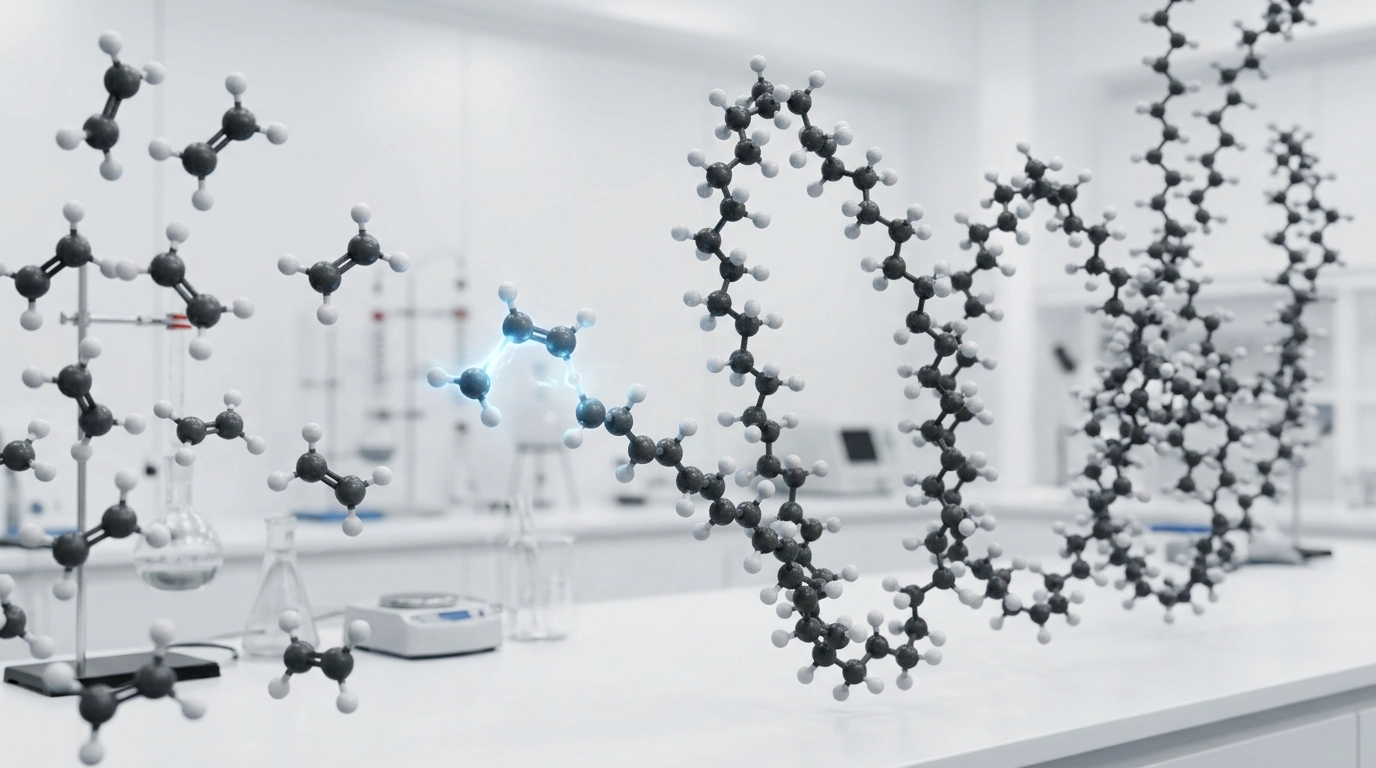
It's essential to understand the concept of molecular structure and bonding when discussing polymerization. Monomers are the building blocks of polymers, and their combination through chemical reactions leads to the formation of a new molecule with distinct properties. This process is governed by the principles of thermodynamics and kinetics, which determine the rate and direction of the reaction.
The Role of Polymerization in Plastic Recycling
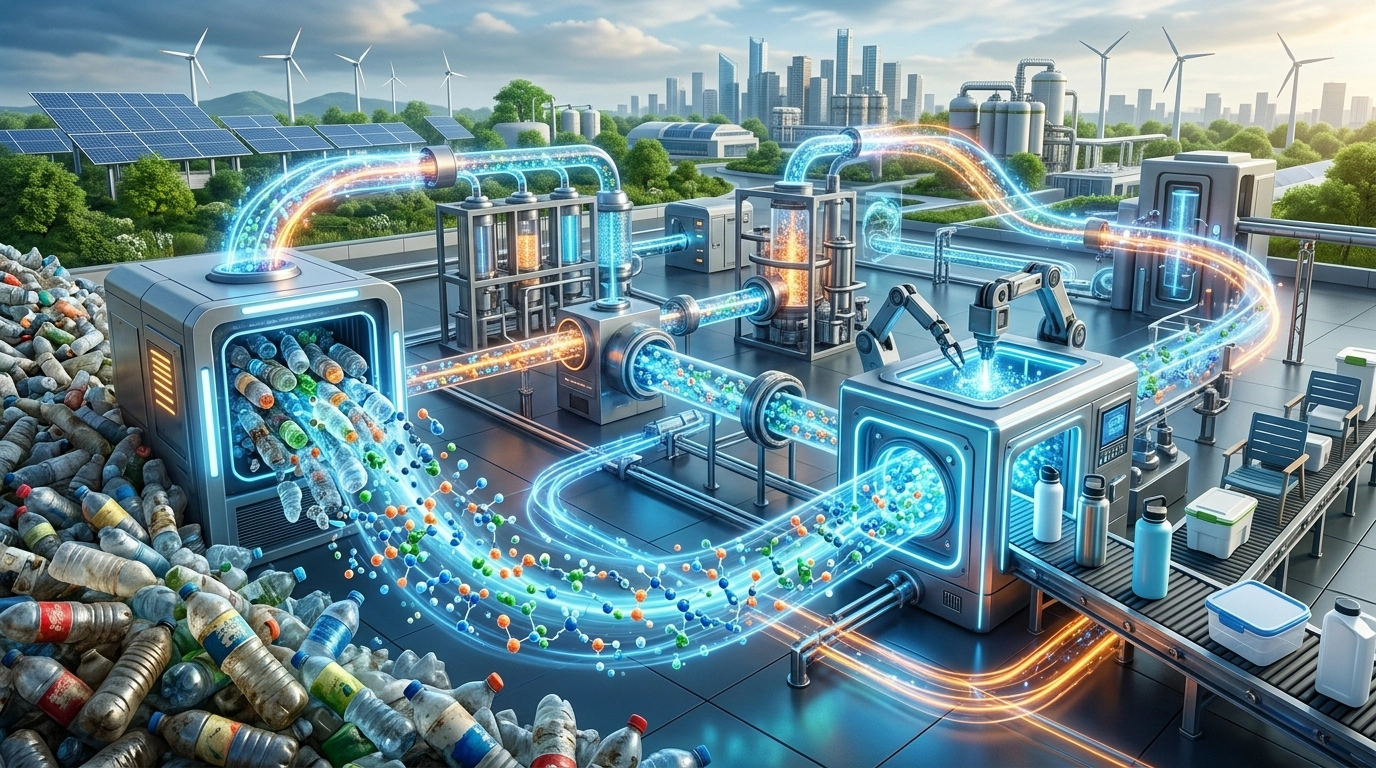
Polymerization plays a significant role in plastic recycling by determining the types of plastics that can be recycled. Different polymers have distinct chemical structures and properties, making some more suitable for recycling than others. For instance, polyethylene terephthalate (PET) is commonly used in water bottles and can be easily recycled through a process called depolymerization.
During depolymerization, the PET polymer is broken down into its constituent monomers, which are then transformed back into their original form. This allows the plastic to be reused as raw material for new products. However, not all plastics can be recycled in this manner. Some polymers, like polyvinyl chloride (PVC), are often mixed with other materials and may require specialized treatment before recycling.
The process of depolymerization involves several steps:
1. Collecting the plastic waste
2. Sorting and cleaning the plastics to remove contaminants
3. Breaking down the polymer into its constituent monomers using heat, chemicals, or mechanical means
4. Separating the monomers from other materials
5. Transforming the monomers back into their original form
Types of Polymerization
There are several types of polymerization, each with its own distinct characteristics:
Addition Polymerization: Involves the sequential addition of monomers to a growing polymer chain.
Example: Production of polyethylene through the addition of ethylene molecules (C2H4)
Condensation Polymerization: Results from the reaction between two or more monomers, often accompanied by the release of water or other small molecules.
Example: Formation of nylon 6,6 through the condensation polymerization of hexamethylene diamine and adipic acid
Ring-Opening Polymerization: Involves the opening of a ring-shaped molecule to form a linear polymer chain.
Example: Production of polycarbonate (PC) through the ring-opening polymerization of bisphenol A
Benefits and Challenges of Polymerization in Plastic Recycling
Polymerization offers several benefits for plastic recycling, including:
Cost-effectiveness: Depolymerization can be more energy-efficient than traditional recycling methods.
Increased recyclability: Proper understanding of polymerization allows for the development of specialized recycling processes.
Reduced waste: By breaking down plastics into their constituent monomers, we can minimize the amount of waste sent to landfills.
However, there are also challenges associated with polymerization in plastic recycling:
Complexity: Different polymers require unique treatment and processing methods.
Limited accessibility: Not all types of plastics can be easily depolymerized or recycled.
Environmental concerns: Improper handling and disposal of plastics can lead to environmental pollution.
Practical Applications and Future Directions
Polymerization has far-reaching implications for various industries, from packaging materials to automotive components. By understanding the role of polymerization in plastic recycling, we can:
Improve recycling efficiency: Develop more effective depolymerization processes.
Increase recyclability: Design new plastics with recyclability in mind.
Reduce waste: Implement sustainable production and consumption practices.
To achieve these goals, researchers and manufacturers must collaborate to develop innovative solutions that address the challenges associated with polymerization. By investing in education and research, we can create a more circular economy where plastic waste is minimized, and recycling becomes a more efficient process.
Conclusion
Polymerization plays a crucial role in plastic recycling by determining the types of plastics that can be recycled. Understanding this complex concept allows us to develop more effective depolymerization processes and increase recyclability. By addressing the challenges associated with polymerization, we can reduce waste, improve recycling efficiency, and create a more sustainable future.
As consumers, it's essential to recognize the importance of proper plastic disposal and support recycling initiatives in our communities. As manufacturers, researchers, and policymakers, we must work together to develop innovative solutions that minimize plastic waste and promote a circular economy.
This Article was made with AI assistance and human editing.


